
Pico Laser for Melasma and Sun Spots: What It Can and Can’t Do
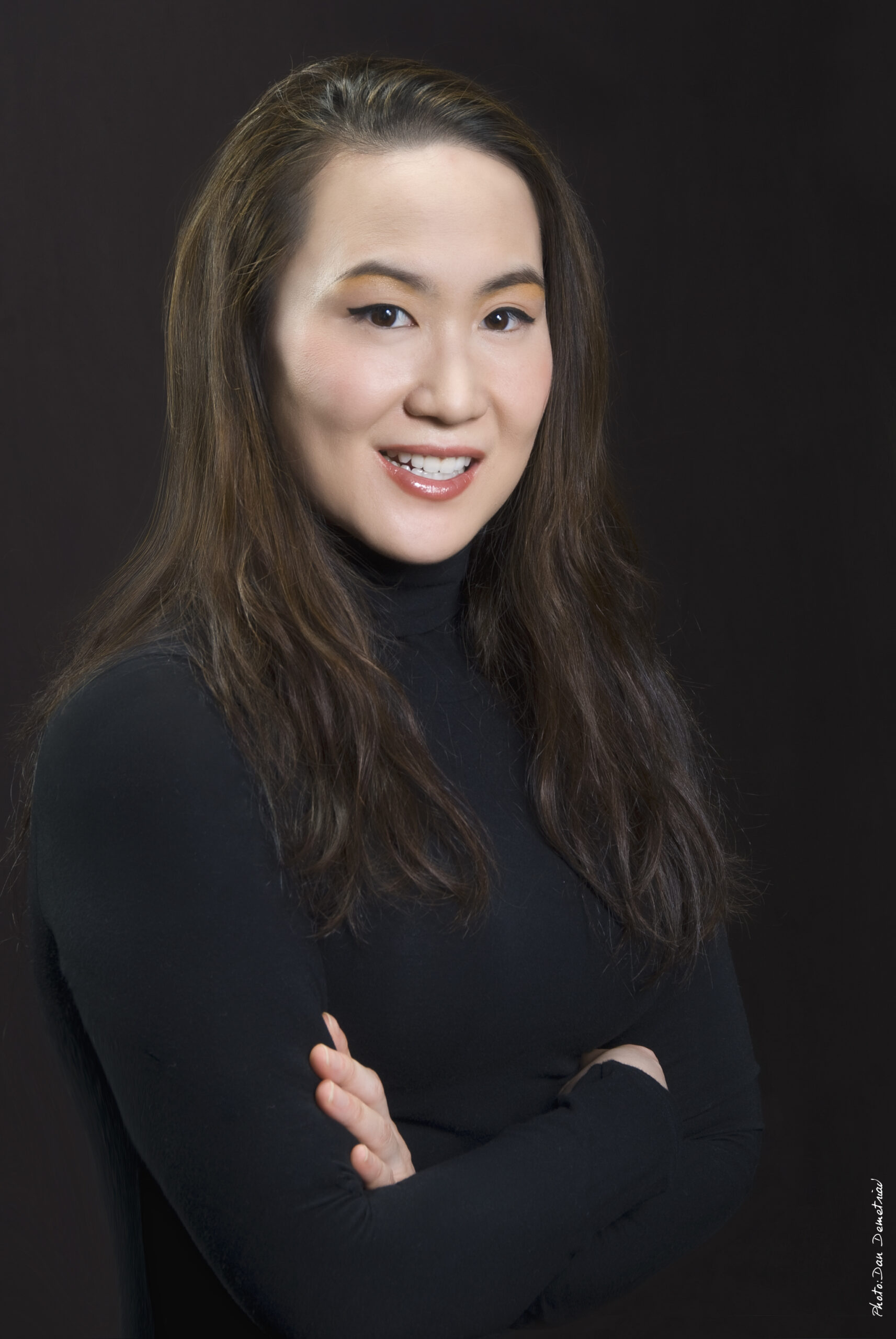
Medically reviewed by Jane Yoo, MD, board-certified dermatologist and Mohs surgeon.
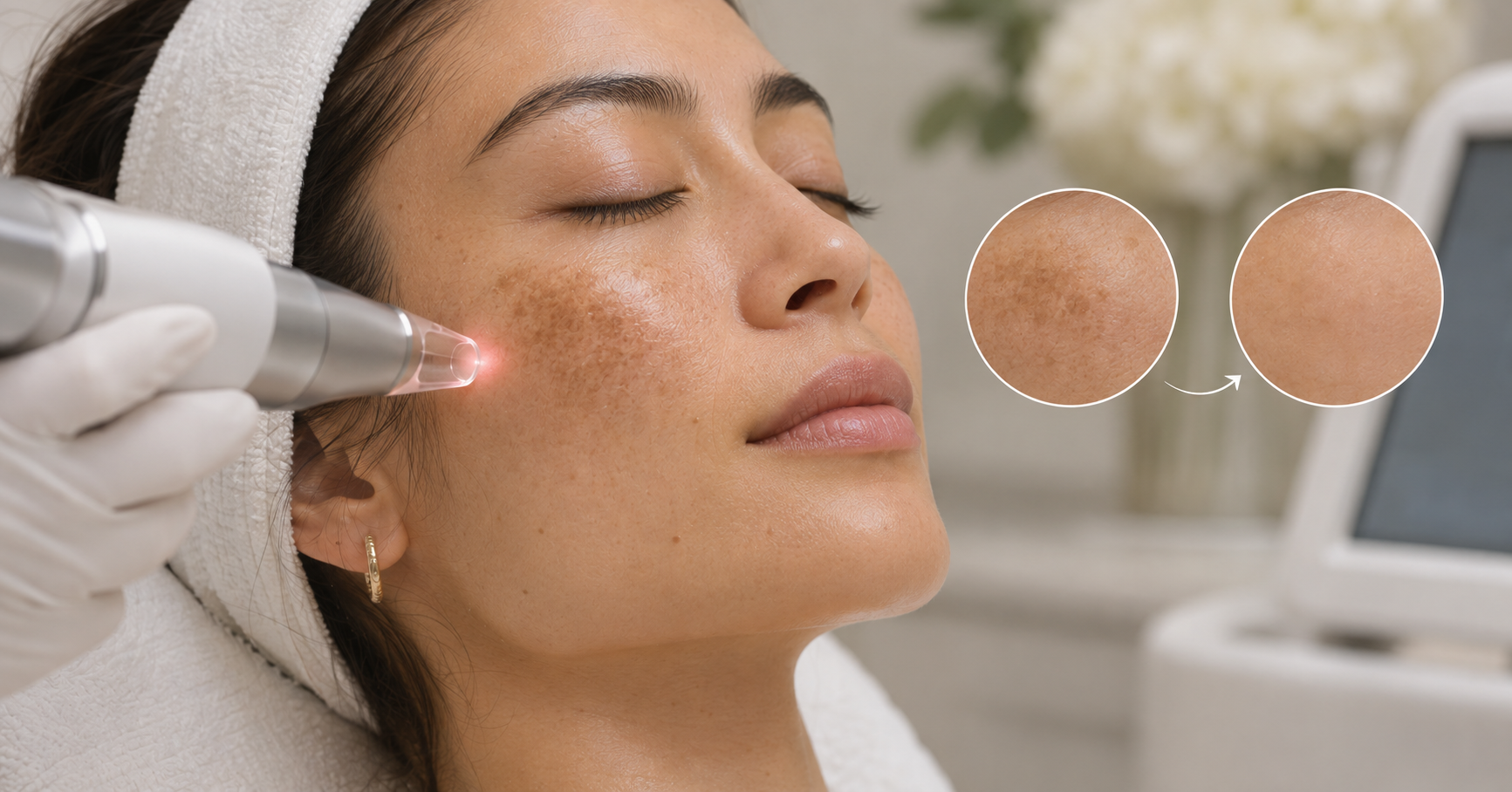
The short answer: a pico laser delivers energy in extremely short pulses that break pigment into tiny particles with less heat than older lasers. That makes it a useful tool for sun spots, freckles and, in carefully chosen cases, melasma. It does not cure melasma, and it works best as part of a plan that includes daily sunscreen.
What is a pico laser?
“Pico” refers to picoseconds, trillionths of a second. Older lasers worked with longer pulses, which delivered more heat. Because pico pulses are shorter, the energy shatters pigment mechanically while limiting heat spread into surrounding skin. Heat matters, because heat is a trigger for melasma and for post-inflammatory darkening, especially in medium to deep skin tones.
What I treat with pico laser
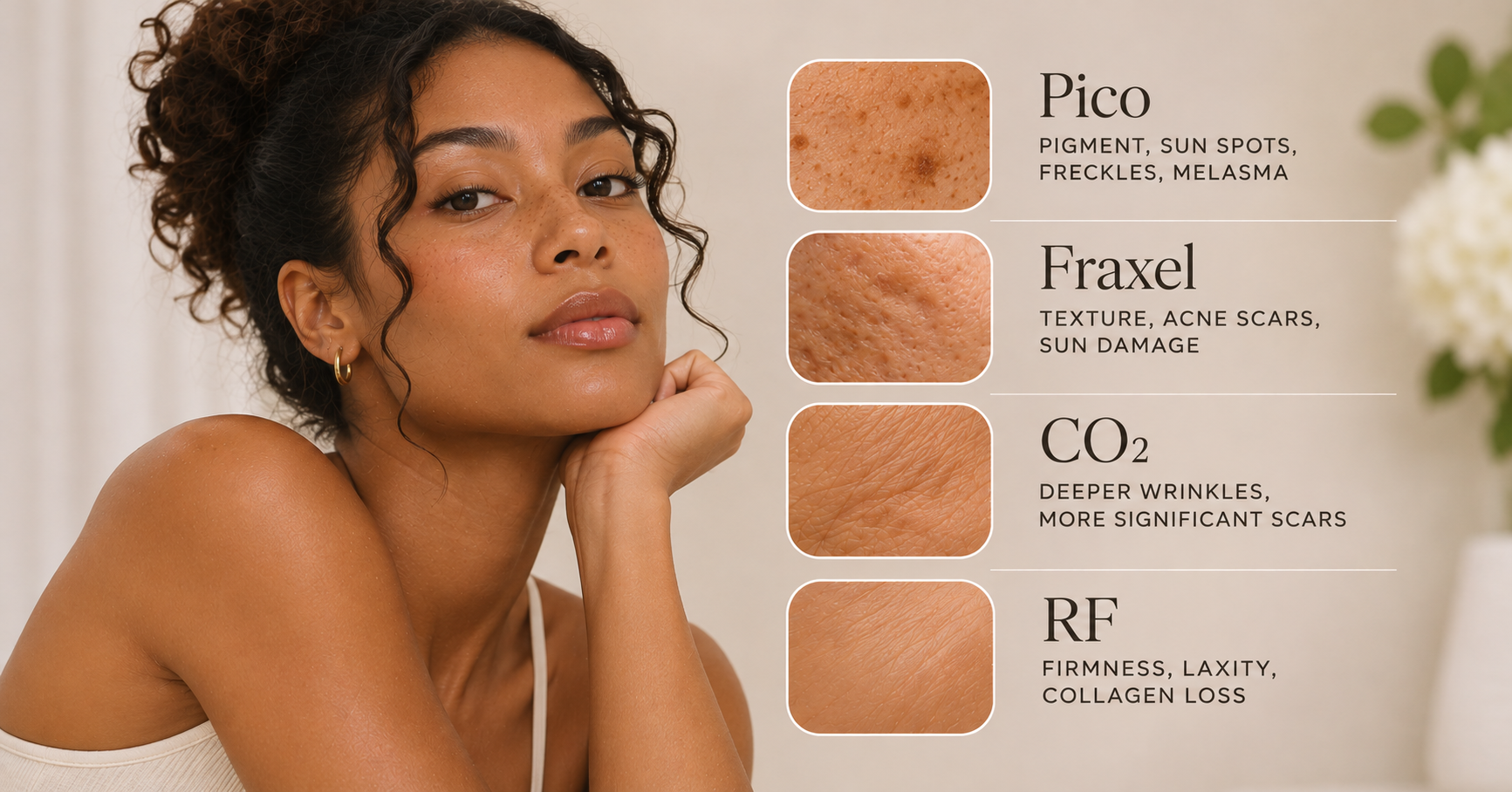
- Sun spots and age spots (solar lentigines). Often respond well, sometimes in one to a few sessions.
- Freckles and uneven tone.
- Melasma. Treated gently, often with multiple low-energy sessions.
- Post-inflammatory hyperpigmentation. Dark marks left after acne or irritation.
- Skin rejuvenation. Lower-energy treatments can improve tone and texture.
A note on tattoo removal: pico lasers are well known for it, but I do not offer tattoo removal. In my practice, pico is dedicated to pigment and skin quality.
Before any laser: is it really a sun spot?
Not every brown spot is harmless. Some dark spots turn out to be early skin cancers, including melanoma. As a Mohs surgeon who treats skin cancer every day, I examine pigmented spots before treating them. A spot that looks changed, uneven in color, growing or irregular should be evaluated and possibly biopsied, not lasered. This is a reason to see a physician for pigment treatment rather than a spa.
Pico laser for melasma: the honest picture
Melasma is a chronic, relapsing condition. Heat, UV and visible light can all bring it back. Pico laser can lighten it for many people, but results vary and relapse is common. For that reason:
- I use conservative, low-energy settings and watch how your skin responds.
- I pair treatment with a daily iron-oxide sunscreen; see the best sunscreen for melasma.
- I often combine it with topical or oral treatments as appropriate for you.
- I set expectations early: the goal is meaningful control, not a permanent cure.
If you have been told that melasma is treated with lasers alone, be cautious. Aggressive or poorly chosen settings can make melasma darker.
What to expect from treatment
- Consultation and imaging. I examine your skin, review your history and take 3D VISIA images to see pigment beneath the surface.
- Treatment. Sessions are short. Many patients describe a snapping sensation like small rubber-band flicks. Numbing is available.
- Right after. Mild redness and warmth. Sun spots may darken or look slightly crusted.
- Days 1 to 10. Treated spots darken, then flake or shed. Do not pick.
- Results. Improvement continues over several weeks. Sun spots may need just one to a few sessions; melasma usually needs a series with maintenance.
Is pico right for you?
|
Your concern |
Pico a good fit? |
Notes |
|---|---|---|
|
Sun spots and freckles |
Often yes |
Examine first to rule out anything concerning |
|
Melasma |
In carefully selected cases |
Conservative settings, strict sun protection |
|
Fine texture and tone |
Yes, at lower energy |
Combine with other treatments if needed |
|
Acne scars or deeper wrinkles |
Usually not the main tool |
See Fraxel Dual or CO2 resurfacing |
|
Loose skin |
No |
Consider radiofrequency |
Aftercare
- Gentle cleanser and moisturizer as directed
- Daily SPF 50 with iron oxides; reapply outdoors
- No tanning, and avoid direct sun during healing
- Do not pick at crusting or flaking skin
- Pause retinoids and acids until cleared
Risks to know about
Side effects are usually temporary: redness, swelling, flaking and temporary darkening of treated spots. Less commonly, treated skin can develop lasting changes in color, especially in deeper skin tones or if the skin is tanned. This is why the right settings and prepared skin matter.
Frequently asked questions
Does pico laser work on melasma? It can help, and it is best used with conservative settings and consistent sunscreen. It does not cure melasma.
How many sessions will I need? Sun spots often need fewer sessions than melasma. I will give you a realistic range after examining your skin.
Is pico laser safe for darker skin? It can be, when settings are chosen with care and your skin is not tanned. Skin of color needs an experienced physician.
Do you offer tattoo removal with your pico laser? No. I use pico for pigment, melasma, sun spots and rejuvenation.
How is pico different from Fraxel? Pico targets pigment with very short pulses. Fraxel creates fractional columns to improve texture and sun damage. I sometimes use them in sequence.
Ready for a plan built around your skin tone and triggers? Book a consultation with Dr. Yoo at 162 West 56th Street, Midtown Manhattan.






Leave A Comment