
Ozempic Face: What It Is, Why It Happens and How to Treat It
Medically reviewed by Jane Yoo, MD, board-certified dermatologist and Mohs surgeon.
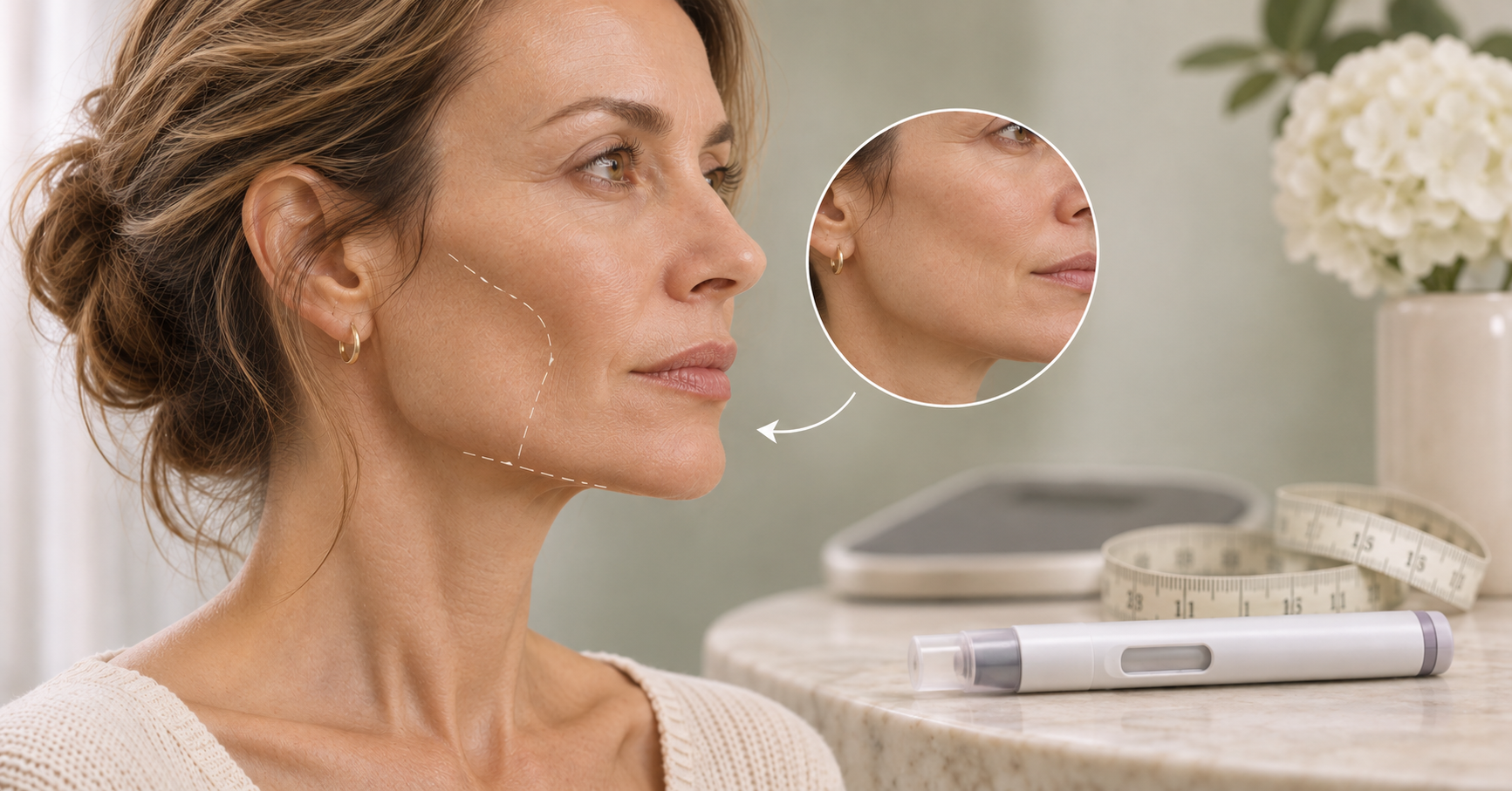
The short answer: “Ozempic face” is a popular nickname, not a medical diagnosis, for the hollowed, sagging look some people develop after losing weight quickly on GLP-1 medications such as semaglutide or tirzepatide. It is caused by volume and collagen loss in the face, and it can be treated.
What is Ozempic face?
When people lose a lot of weight quickly, they lose fat from the face along with the rest of the body. The face is where this shows first. You may notice:
- Hollow cheeks and temples
- Sunken under-eyes and deeper tear troughs
- Jowls and a less defined jawline
- Looser skin on the neck
- Deeper smile lines and a more tired or older look
To be clear, the medication is not directly aging your skin. The effect comes from rapid fat loss, which can happen with any fast weight loss, whether from medication, surgery or diet.
Why it happens
- Facial fat loss. Fat pads in the cheeks, temples and under the eyes support your skin from beneath. When they shrink, skin loses its support.
- Skin that cannot keep up. Skin snaps back less readily as we age, so rapid volume loss often leaves it looser.
- Loss of collagen and muscle. Weight loss can include some loss of muscle as well as fat, and collagen production declines with age and nutritional shifts.
- Baseline. People in their 40s and beyond, and those who lose a large amount of weight, tend to notice it most.
Can you prevent it?
You cannot always prevent it, but you can reduce how much it affects you. Please do not stop or change your medication without speaking to your prescribing doctor.
- Talk to your prescriber about pace. Slower weight loss gives skin more time to adapt.
- Eat enough protein and do resistance training, as your care team advises, to help preserve muscle.
- Protect your skin from the sun daily. Sun damage speeds collagen loss; see my guide to sunscreen.
- Start skin-quality treatments earlier. Building collagen before major volume loss can improve how skin responds.
Treatment options for Ozempic face
The right plan depends on what is changing in your face. I assess volume, skin quality and laxity separately, and I use 3D VISIA imaging to document them.
|
Problem |
Option to consider |
What it does |
|---|---|---|
|
Lost volume (cheeks, temples) |
Hyaluronic acid filler or a biostimulator, when appropriate |
Restores support and contour |
|
Early to moderate laxity |
Radiofrequency such as Everesse |
Heats deeper tissue to tighten and stimulate collagen |
|
Skin texture and quality |
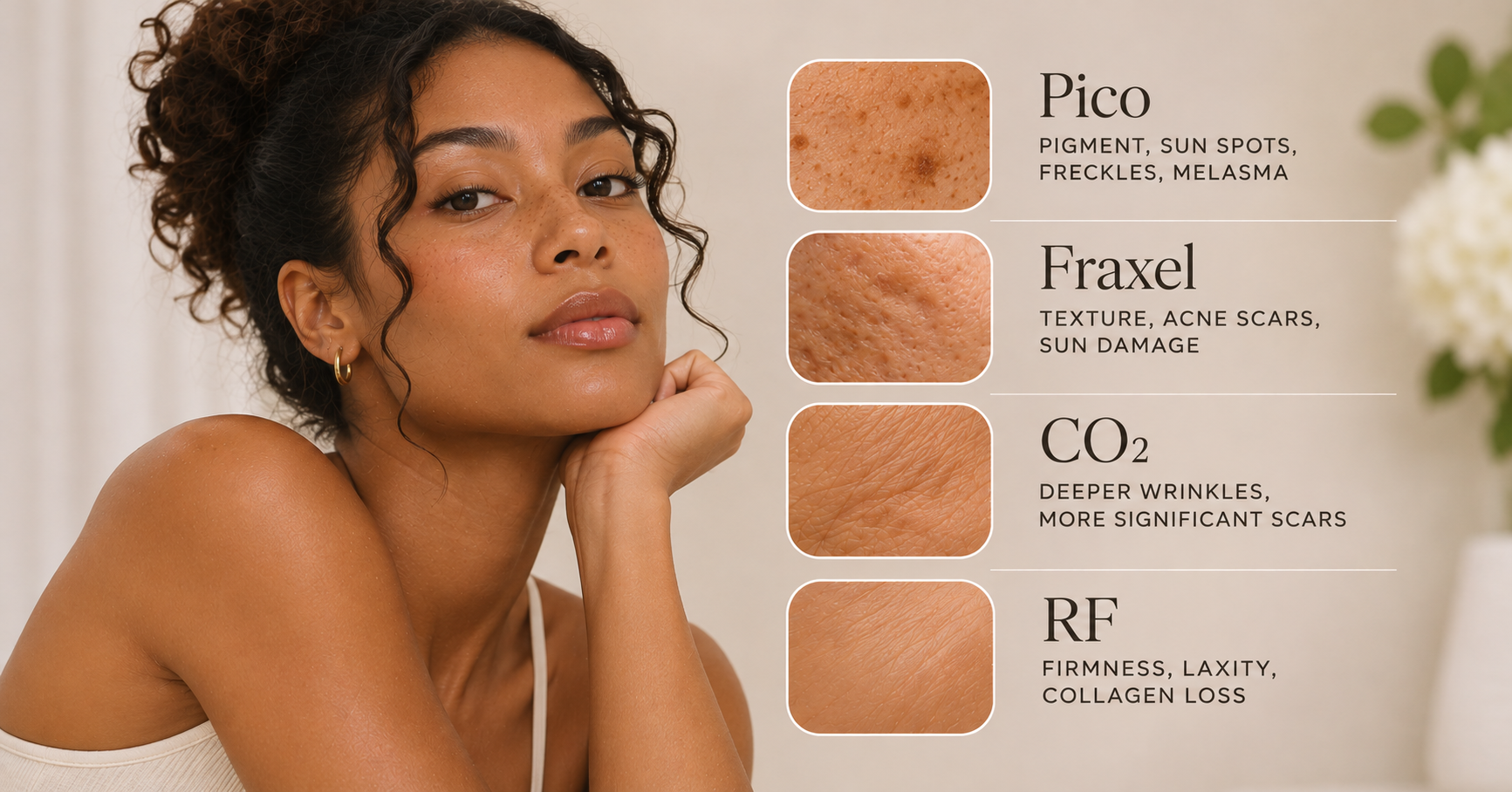
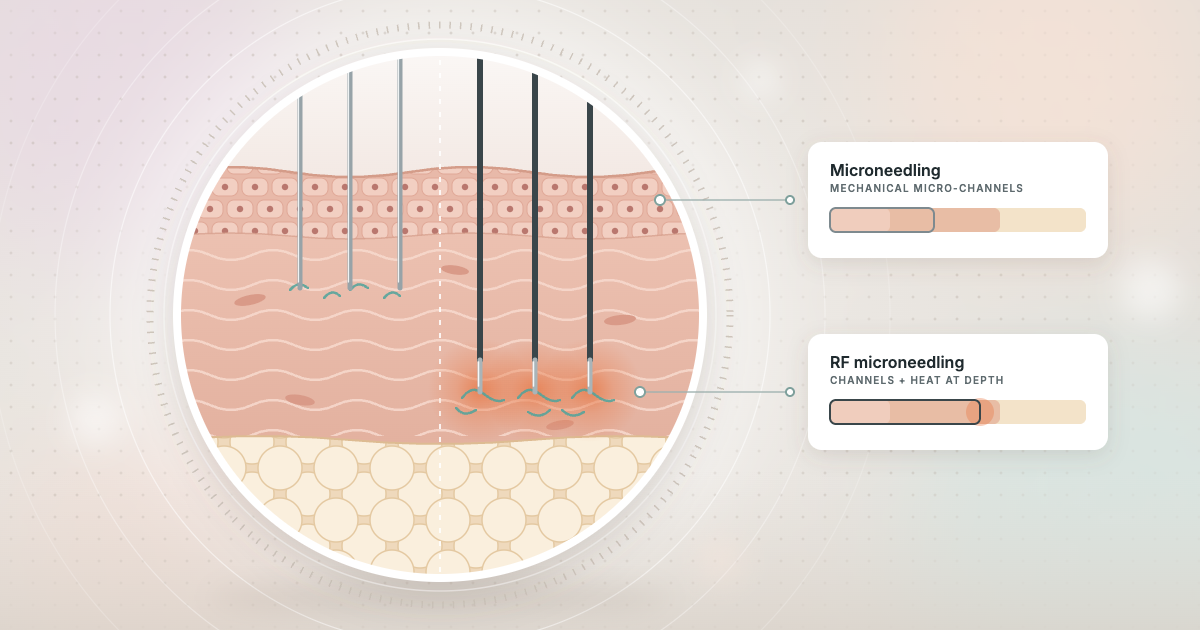
Fraxel Dual, microneedling or RF microneedling |
Improves texture and stimulates renewal |
|
Fine lines and crepey skin |
Skin-quality treatments and medical-grade skincare |
Supports collagen and hydration |
|
Under-eye hollows |
Carefully placed filler, with imaging |
Softens shadowing |
Where volume restoration is needed, I rely on my training in ultrasound for filler treatment. Mapping blood vessels first is especially valuable in faces that have thinned, where anatomy has shifted. See my guide to Everesse for GLP-1 skin changes and Fraxel Dual in NYC.
A word on sequencing
It is tempting to chase every hollow with filler. In my experience a better approach is to treat in order of what the face needs most:
- Restore the structural volume that is truly missing.
- Tighten and improve skin quality.
- Fine-tune detail, such as under-eyes, last.
Over-filling a face that is still losing weight can leave you looking puffy once your weight stabilizes. It is often wise to let your weight settle before finalizing the plan.
When to start treating
- While you are losing weight: focus on sun protection, skincare and collagen-building treatments.
- Once your weight is stable: this is usually the best time to do volume restoration.
- If you have already stopped and your face has changed: it is not too late. Many patients seek help well after their weight loss.
What about the rest of the body?
Face and body skin often change together. If loose skin on the abdomen, arms or thighs is your bigger concern, read Loose Skin After Weight Loss. If you wonder whether it will bounce back on its own, read Does Skin Tighten Naturally After Weight Loss?.
Frequently asked questions
Is Ozempic face permanent? Volume lost from the face does not reliably return, but the appearance can be improved with treatment.
Does everyone on a GLP-1 get Ozempic face? No. It depends on how much and how quickly you lose weight, your age and your skin quality.
Will filler fix it? Filler restores volume, but it does not tighten loose skin. Many patients need a combined plan.
Should I stop my medication to protect my face? Please discuss this with your prescriber. Decisions about your medication should be based on your health, not only on appearance.
Is there a treatment that tightens without surgery? For early to moderate laxity, radiofrequency can help. Significant laxity may need a surgical consultation, and I will tell you honestly which group you fall into.
Want a plan that fits where your weight and your face are right now? Book a consultation with Dr. Yoo in Midtown Manhattan.





Leave A Comment