Part of Dr. Yoo’s Best Sunscreens 2026 series — see all categories.
Best Australian Sunscreens 2026: A Dermatologist’s Expert Picks
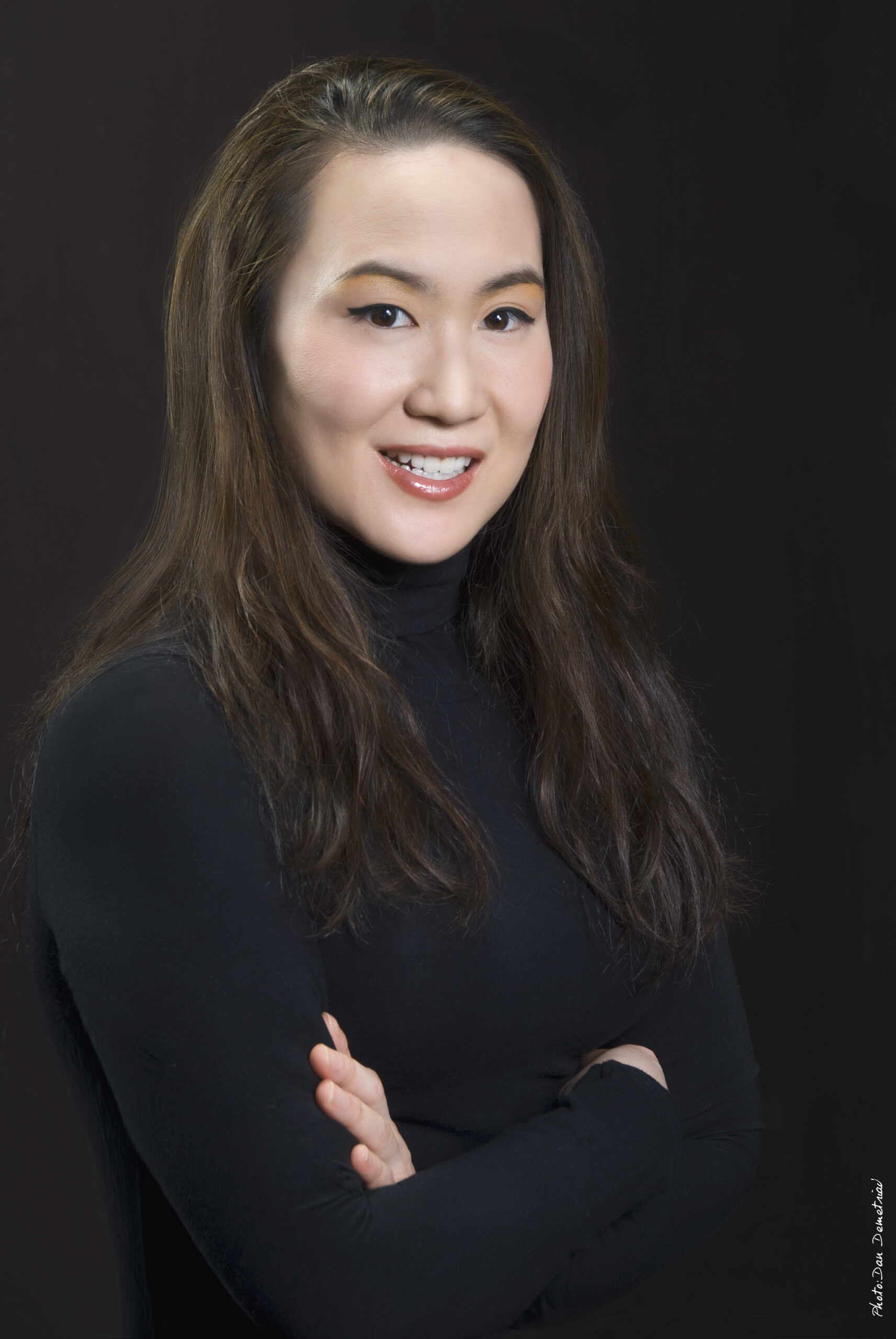
By Dr. Jane Yoo, Board-Certified Dermatologist & Mohs Surgeon
As a dermatologist who has spent years studying international UV filter technology, I can confidently say Australian sunscreens are some of the most rigorously tested and thoughtfully formulated in the world.
Australia has one of the highest skin cancer rates on the planet, and its Therapeutic Goods Administration regulates sunscreen as a therapeutic good rather than a cosmetic. This means Australian brands are held to strict SPF and broad-spectrum testing standards. Many are also formulated with next-generation UV filters that are not yet approved in the United States.
Below are some of my favorite Australian sunscreens for 2026. These formulas are lightweight, non-greasy, and built on filter combinations that go beyond what most American formulas can offer.
Why Australian Sunscreens Are Different
Because sunscreen in Australia is regulated as a therapeutic good, every formula must meet AS/NZS 2604 testing standards for SPF accuracy and broad-spectrum protection before it reaches shelves.
This regulatory rigor, combined with Australia’s intense UV index, has pushed local brands to formulate with advanced filters such as Tinosorb S, Tinosorb M, and Uvinul A Plus. These are the same next-generation filters found in leading European pharmacy brands and are often used alongside older UVB filters that may be more familiar to American consumers.
The result is a category of sunscreens that tend to be both highly protective and genuinely pleasant to wear every day.
What to Look for in an Australian Sunscreen
Multi-Filter Systems
Look for combinations such as Tinosorb S, Tinosorb M, Uvinul A Plus, and Uvinul T150 for broader UVA and UVB protection. Certain filter combinations may also provide visible-light or blue-light protection.
A Format Suited to Your Routine
Gels and fluids work well for daily application, while mists are convenient for reapplication and sticks can be used for targeted touch-ups.
Additional Skin Concerns
Consider whether the formula addresses concerns such as pigmentation, brightening, visible-light exposure, or sensitivity. Mineral-only options may be preferable for certain sensitive skin types.
Lightweight, Low-Residue Textures
Lightweight textures are a hallmark of many newer Australian “skinscreen” formulas and may make consistent daily application easier.
Dr. Yoo’s Best Australian Sunscreen Picks by Category
Best for Pigmentation and Blue-Light Protection
RoC Soleil-Protect Anti-Wrinkle Smoothing Fluid SPF 50+
This is a good option for patients concerned about both fine lines and pigmentation who want a fluid that layers easily under makeup.
It combines Tinosorb S and Tinosorb M, providing visible-light coverage in addition to standard UVA and UVB protection. This can be an important feature for patients managing melasma or post-inflammatory hyperpigmentation.
I found the formula watery and lightweight. It is genuinely pleasant enough to wear on the face every day, with a fresh scent and only the faintest possibility of a cast on very fair skin.
Best for a Luminous, Glowy Finish
Ultra Violette Queen Screen Luminizing Skinscreen SPF 50+
This is a good option for patients who want effective broad-spectrum protection without sacrificing a lit-from-within finish.
It features one of the most comprehensive filter combinations in the Australian market, layering Tinosorb S, Tinosorb M, Uvinul T150, Uvinul A Plus, and iscotrizinol into a single formula.
It has a floral scent, feels moisturizing, and leaves a soft sheen rather than a flat matte finish. This may be a nice option for patients who tend to skip sunscreen because they do not like how it looks under makeup.
Best for Sensitive and Reactive Skin
Avène Sunsitive Sunscreen Serum SPF 50+
This is a good option for sensitive, reactive, or post-procedure skin that needs a fragrance-free, low-irritant formula.
The serum texture is what sets it apart. It feels moisturizing and hydrating, has no noticeable scent, and does not leave a visible cast.
I like recommending this to patients who have reacted to heavier chemical sunscreens in the past and need something gentler while their skin barrier recovers.
Best Lightweight Daily Formula
Bondi Sands Hydra UV Protect Face Gel SPF 50+
This is a good option for patients who want a sunscreen that disappears into the skin without leaving a white cast or greasy after-feel.
It combines Uvinul T 150, Tinosorb S, and ensulizole in a watery gel base that feels silky rather than tacky.
This makes it a strong daily option for normal to combination skin that still needs meaningful UVA protection.
Best for Oily and Combination Skin
Ultra Violette Supreme Screen Hydrating Facial Skinscreen SPF 50+
This is a good option for patients with oily or combination skin who want a true matte finish without a formula that feels stripping.
It uses Tinosorb S and Tinosorb M for broad UVA coverage and applies with a non-sticky texture, which I like for patients managing shine throughout the day.
The scent is sweet and closer to a dessert coffee than a traditional sunscreen scent. Some patients may love it, while others may prefer to sample it first.
Best for Hyperpigmentation and Brightening
Mecca Cosmetica To Save Face SPF 50+ Brightening Sun Serum
This is a good option for patients focused on brightening and evening out their skin tone while also protecting it from the sun.
It combines Tinosorb S, Tinosorb M, and Uvinul T150 with niacinamide. This provides visible-light coverage while giving the formula a smooth, silky feel during application.
I found that it blends in nicely and feels watery rather than heavy, making it a good choice for patients layering sunscreen over other brightening products.
How to Apply Australian Sunscreen Correctly
Even a well-formulated sunscreen can underperform when it is applied incorrectly or inconsistently.
Fluids and gels make daily application easier, but they should still be applied generously rather than lightly swiped onto the skin.
For the face, use approximately ¼ teaspoon, or about 1.25 mL, and apply it as the final step of your morning skincare routine.
Reapply every two hours during sun exposure. Keeping a mist or stick on hand can make quick, makeup-friendly touch-ups easier. Australia’s UV index remains high for much of the year, so reapplication is particularly important.
The Bottom Line on Australian Sunscreens
Australian brands sit at an interesting intersection. They are regulated with the rigor of therapeutic goods while increasingly being formulated with the same advanced UV filters found in leading European pharmacy sunscreens.
For my patients who want dependable, dermatologist-trusted protection with genuinely wearable textures, Australian sunscreens are consistently among my top recommendations.
Frequently Asked Questions
Q: What makes Australian sunscreens different from American sunscreens?
A: Australian sunscreens are regulated by the Therapeutic Goods Administration as therapeutic goods and must meet strict SPF and broad-spectrum testing standards. Many also use advanced filters such as Tinosorb S and Uvinul A Plus, which provide broader UVA coverage and improved photostability compared with many filters currently approved in the United States.
Q: Are Australian sunscreens good for sensitive skin?
A: Yes. Brands such as Avène and Cancer Council offer fragrance-free, low-irritant formulas designed for sensitive, reactive, or post-procedure skin.
Q: Do Australian sunscreen sticks provide enough coverage for the whole face?
A: Sticks and roll-ons are generally best used for targeted areas or reapplication rather than as the primary sunscreen for the entire face. It can be difficult to apply enough product evenly with a stick. For full-face coverage, a gel or fluid paired with a stick for touch-ups is usually a better approach.
Q: Can Australian sunscreens protect against blue light?
A: Some can. Formulas containing Tinosorb M, such as RoC Soleil-Protect and Mecca Cosmetica To Save Face Brightening Sun Serum, may be particularly useful for patients managing melasma or hyperpigmentation who also want visible-light protection.
Updated July 2026
Find your sunscreen in The Sunscreen Index
Compare 305 dermatologist-curated sunscreens — filter by UV filter chemistry, finish, white cast, skin type, and Dr. Yoo’s clinical picks.