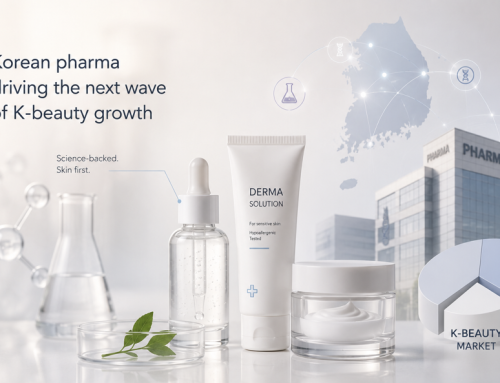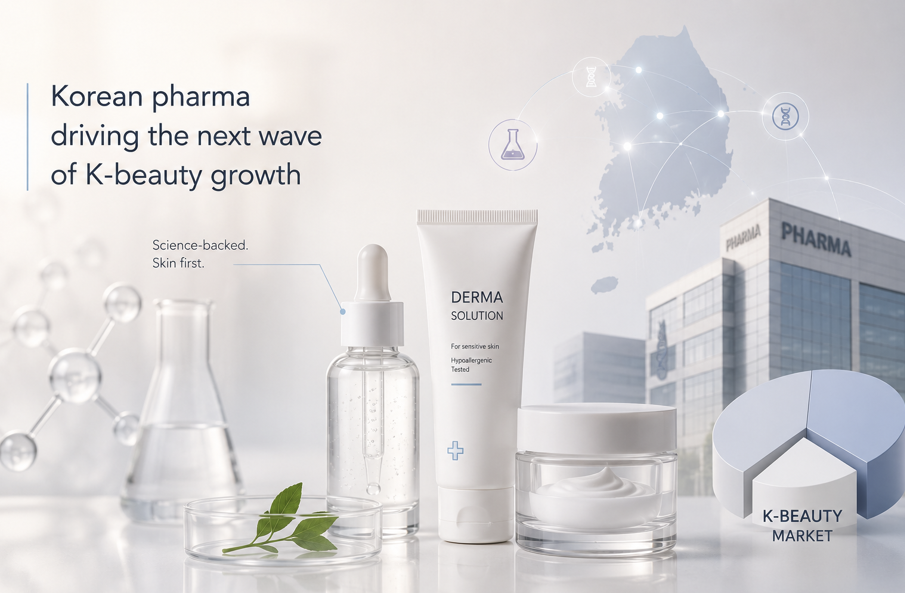
K-beauty has long been recognized for innovative skincare products, but another category is beginning to make its way into the global spotlight: beauty supplements.
From collagen powders and antioxidant drinks to probiotic formulations and functional wellness products, Korean consumers have embraced the idea that healthy skin begins with overall health. Now, these “inner beauty” products are becoming increasingly popular around the world as more people look beyond topical skincare alone.
So, do beauty supplements actually work? The answer depends on what’s inside and what you’re hoping to achieve.
What Are Beauty Supplements?
Beauty supplements, often referred to as nutricosmetics, are products designed to support skin, hair, and nail health from within.
Unlike traditional skincare products that work on the skin’s surface, these supplements typically contain ingredients such as:
- Hydrolyzed collagen peptides
- Hyaluronic acid
- Vitamins C and E
- Zinc
- Biotin
- Probiotics
- Plant antioxidants
Many Korean wellness brands combine several of these ingredients into convenient powders, beverages, or capsules that fit into daily routines.
Why Are They Becoming So Popular?
The growing interest reflects a broader shift in how consumers think about beauty.
Rather than viewing skincare as a collection of creams and serums, many people are adopting a more holistic approach that includes nutrition, sleep, exercise, stress management, and gut health alongside topical products.
This “inside-out beauty” philosophy has been part of Korean wellness culture for years and is now gaining traction internationally as consumers seek comprehensive approaches to healthy aging. According to recent industry reporting, Korean wellness brands are expanding globally as demand for beauty supplements continues to grow.
What Does the Science Say?
Some beauty supplement ingredients have more evidence than others.
Hydrolyzed collagen peptides have shown promising results in multiple clinical studies, with some participants experiencing modest improvements in skin hydration and elasticity after consistent use over several months.
Certain antioxidants may also help protect skin from oxidative stress, while probiotics continue to be studied for their potential role in supporting skin conditions through the gut-skin axis.
However, no supplement can replace the fundamentals of skin health.
Daily sunscreen, a balanced diet, quality sleep, regular exercise, and an evidence-based skincare routine remain the most important contributors to healthy skin.
Not Every Supplement Is the Same
One important consideration is product quality.
Unlike prescription medications, dietary supplements are not reviewed by the U.S. Food and Drug Administration for safety and effectiveness before they reach the market. Ingredient quality, dosage, and manufacturing standards can vary significantly between brands.
When choosing a supplement, look for products made by reputable manufacturers with transparent ingredient lists and third-party quality testing whenever possible.
A Supplement Should Complement, Not Replace, Skincare
Beauty supplements can be a helpful addition to a healthy lifestyle, but they should be viewed as one piece of a larger skincare strategy.
For concerns such as acne, melasma, rosacea, eczema, or significant signs of aging, topical medications and in-office treatments remain the treatments with the strongest scientific evidence.
Supplements may offer additional support, but they work best alongside, not instead of, an individualized skincare routine.
The Bottom Line
The growing popularity of Korean beauty supplements reflects a larger shift toward viewing skin health as part of overall wellness.
As research continues to evolve, certain ingredients may play a meaningful role in supporting healthy skin from within. But the foundation of good skin remains remarkably consistent: protect your skin from the sun, nourish your body, follow an evidence-based skincare routine, and work with a dermatologist to develop a plan that’s right for you.
—
References: The Korean Wellness Wave Is Coming — and Fast