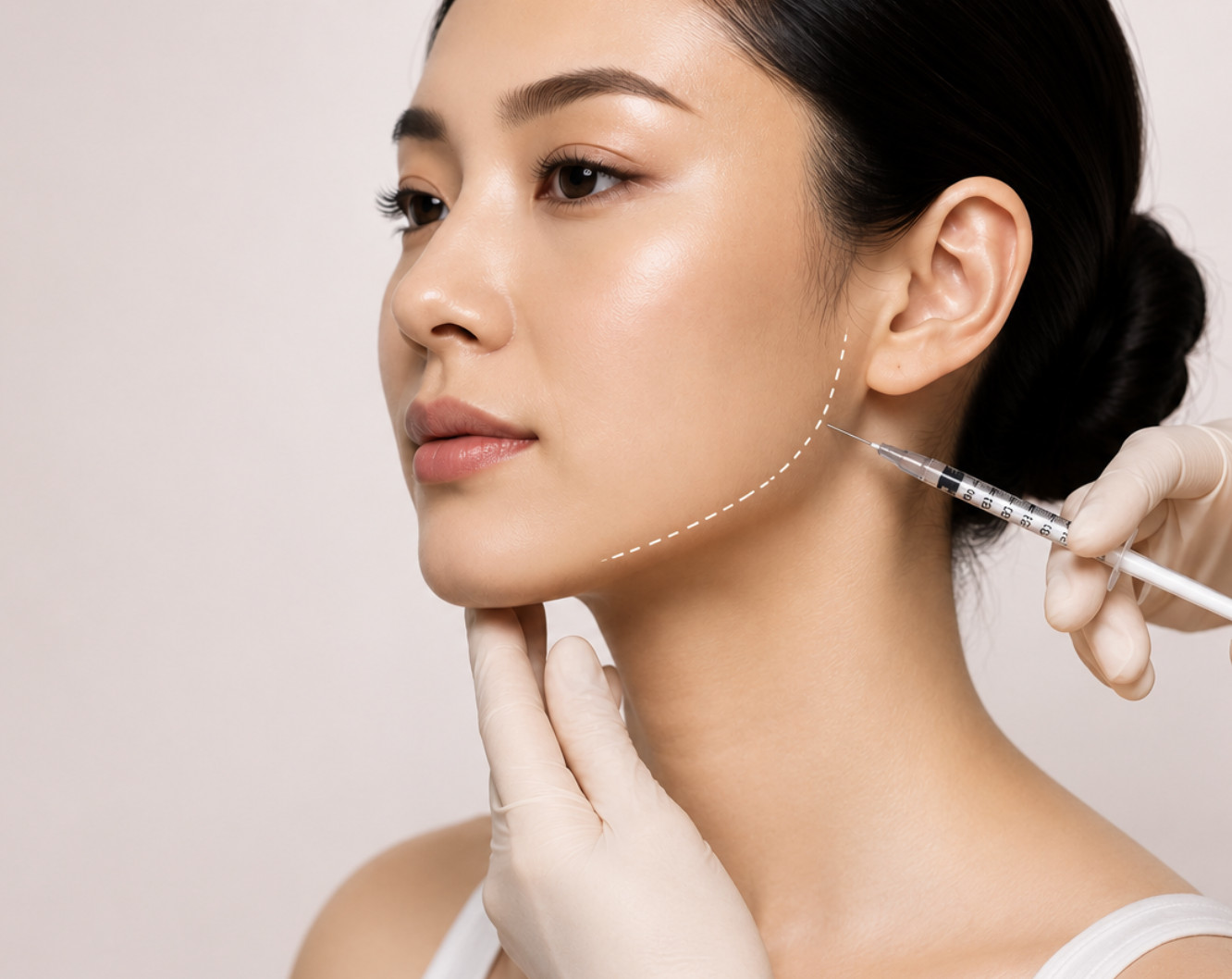
For years, aesthetic medicine largely focused on restoring lost volume and softening wrinkles. While those treatments continue to have an important place, the industry is evolving toward a broader philosophy centered on skin health, prevention, and overall wellness.
Today, patients are increasingly interested in improving skin quality rather than simply changing facial contours. At the same time, aesthetic practices are expanding beyond traditional cosmetic procedures to include services that support women’s health, hormonal changes, and long-term well-being.
Together, these shifts are redefining what modern aesthetic medicine looks like.
Skin Quality Is Becoming the New Standard
The conversation around aesthetics is moving beyond volume enhancement toward improving the overall structure and health of the skin.
Skin quality refers to the characteristics that make skin appear healthy and youthful, including:
- Smooth texture
- Even skin tone
- Hydration
- Firmness and elasticity
- Radiance
- Strong barrier function
- Fine lines and crepiness
Rather than treating isolated wrinkles or folds, physicians are increasingly focusing on strengthening the skin itself. Healthier skin reflects light more evenly, heals more efficiently, and often creates a naturally refreshed appearance without looking overtreated.
This philosophy has been a cornerstone of Korean skincare for years and continues to influence aesthetic practices worldwide.
Regenerative Treatments Are Supporting Skin Structure
As the focus shifts toward skin quality, regenerative treatments are becoming an increasingly important part of aesthetic medicine.
Rather than simply filling areas of volume loss, these treatments work by supporting the skin’s own structural framework. Technologies that stimulate collagen production aim to improve firmness, elasticity, and texture gradually over time.
One area receiving growing attention is liquid polycaprolactone (PCL), a collagen-stimulating material being used to support skin texture and structural integrity. Alongside other regenerative approaches—including biostimulatory fillers, radiofrequency microneedling, ultrasound-based skin tightening, and collagen-inducing procedures. PCL reflects a broader movement toward treatments that enhance the skin’s biology rather than temporarily masking visible signs of aging.
As with any emerging technology, continued clinical research will help determine where these treatments fit within long-term aesthetic care.
Recovery and Skin Optimization Are Becoming Part of Everyday Skincare
Another notable shift is the growing influence of clinical aesthetic treatments on consumer skincare.
Products once designed primarily for post-procedure recovery are inspiring everyday skincare formulations that emphasize barrier repair, hydration, collagen support, and skin optimization. Consumers are increasingly seeking products that improve skin texture and resilience rather than simply covering imperfections.
This has contributed to growing interest in formulations designed to support skin recovery, strengthen the skin barrier, and maintain healthy skin between in-office treatments.
Women’s Wellness Is Expanding Within Aesthetic Medicine
One of the fastest-growing areas of aesthetic medicine extends well beyond facial rejuvenation.
Many practices are expanding their services to include women’s wellness, recognizing that hormonal transitions, pregnancy, postpartum recovery, menopause, and aging all affect both physical comfort and quality of life.
Rather than viewing aesthetics and women’s health as separate specialties, many physicians are taking a more integrated approach that addresses concerns across multiple stages of life.
This may include conversations about:
- Hormonal changes
- Postpartum recovery
- Menopause-related concerns
- Tissue changes associated with aging
These discussions are becoming increasingly personalized, with treatment recommendations based on a patient’s medical history, symptoms, goals, and overall health rather than a one-size-fits-all approach.
Personalized Consultations Are Becoming More Important
As aesthetic medicine becomes more comprehensive, consultations are changing as well.
Patients increasingly expect detailed discussions about lifestyle, skin health, hormonal changes, recovery, and long-term maintenance before deciding on treatment. Education has become just as important as the procedure itself.
Rather than focusing on a single cosmetic concern, physicians are developing individualized treatment plans that consider the whole patient, including skin quality, overall wellness, medical history, and future goals.
This personalized approach helps patients better understand their options while ensuring treatments are appropriate for their unique needs.
Korea Continues to Lead Innovation
South Korea remains one of the world’s leading innovators in both skincare and aesthetic medicine.
While Korean beauty is often associated with multi-step skincare routines and innovative ingredients, its greatest influence may be its emphasis on prevention and maintaining healthy skin over time.
That philosophy continues to shape global trends, from regenerative technologies and collagen-stimulating treatments to personalized skincare and minimally invasive procedures designed to improve skin quality rather than dramatically alter appearance.
The Bottom Line
The future of aesthetic medicine is becoming more holistic than ever before.
Improving skin quality, supporting the skin’s natural regenerative processes, and recognizing the relationship between aesthetics and women’s wellness are reshaping how physicians care for patients.
As these fields continue to evolve, aesthetic medicine is moving beyond cosmetic enhancement alone. The goal is no longer simply to look younger, but to support healthier skin, improve overall well-being, and provide individualized care that reflects each patient’s unique stage of life.
—
References: Art of aesthetics: K-beauty draws focus on “skin quality,” while cosmetic gynecology gathers pace