Jaw slimming with botulinum toxin has been a familiar part of Korean aesthetics for years. In the United States, masseter injections are also widely discussed for lower-face contouring, but cosmetic treatment of masseter muscle prominence has remained off-label.
That could soon change.
On August 4, the FDA accepted Allergan Aesthetics’ supplemental Biologics License Application for BOTOX Cosmetic (onabotulinumtoxinA) for the temporary improvement of marked to very marked masseter muscle prominence associated with muscle activity in adults.
At nearly the same time, South Korean manufacturer Hugel reported record first-half results, supported by growth across its global aesthetics and cosmetics businesses. The two developments highlight an interesting convergence as lower-face contouring becomes more mainstream in the U.S. while Korean aesthetics companies continue expanding internationally.
What Is Masseter Muscle Prominence?
The masseter is one of the major muscles involved in chewing and sits along the angle of the jaw.
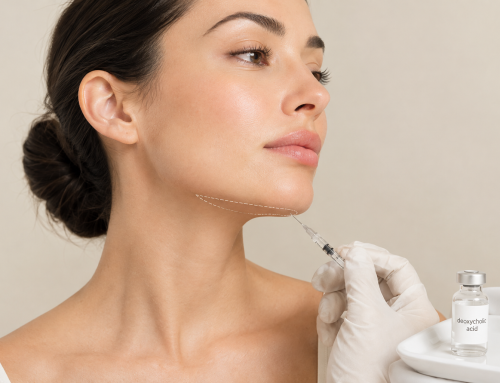
A more prominent masseter can contribute to a wider or more square appearance of the lower face. Botulinum toxin temporarily decreases muscle activity, which over time can reduce muscle prominence and create a slimmer appearance through the jaw.
This is different from removing facial fat or changing the underlying bone structure. The treatment specifically targets muscle.
What Is the FDA Reviewing?
If approved, BOTOX Cosmetic would become the first and only neurotoxin FDA-approved for masseter muscle prominence in the United States and would give BOTOX Cosmetic its fifth aesthetic indication.
The application is supported by two Phase 3 studies, M21-416 and M21-417. Both met their primary endpoints, with statistically significant improvements in masseter muscle prominence compared with placebo.
Allergan also reported that twice as many patients receiving BOTOX Cosmetic described themselves as “Very Satisfied” or “Satisfied” compared with placebo, and no new safety signals were identified in the studies.
Importantly, FDA acceptance of the application is not FDA approval. It means the agency has accepted the submission for review.
Why the Korea Connection Matters
The timing also comes during continued global expansion of Korean aesthetics.
Global Cosmetics News reported that Hugel delivered record first-half 2026 results, supported by growth in its international aesthetics and cosmetics businesses.
That matters because Korean aesthetics has long placed significant emphasis on facial shape and lower-face contouring. Treatments designed to soften a square jaw or create a more tapered lower face are already familiar concepts within the K-aesthetic landscape.
At the same time, Korean manufacturers are no longer operating solely within Korea. Their expanding international businesses mean they are increasingly participating in the same global toxin market as long-established Western manufacturers.
A U.S. indication for masseter prominence would therefore be significant not because jaw slimming itself is new, but because a treatment concept strongly associated with Asian aesthetics would gain formal recognition within the U.S. regulatory system.
What Could Change for Patients?
FDA approval could bring greater standardization to a treatment already being performed in the United States.
The clinical studies supporting Allergan’s application specifically evaluated masseter muscle prominence, giving physicians evidence focused on this particular aesthetic concern rather than extrapolating entirely from other approved uses of botulinum toxin.
Still, masseter treatment is not appropriate for every patient seeking a slimmer lower face.
Facial width can be influenced by muscle, bone structure, soft tissue, or a combination of all three. Treating the masseter will not address every cause of lower-face width, which is why proper facial assessment remains important.
If the FDA ultimately approves the indication, the bigger change may be less about introducing a new aesthetic treatment and more about bringing an established practice into the U.S. mainstream.
—
References: