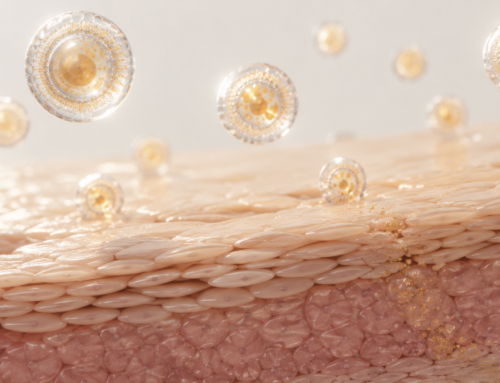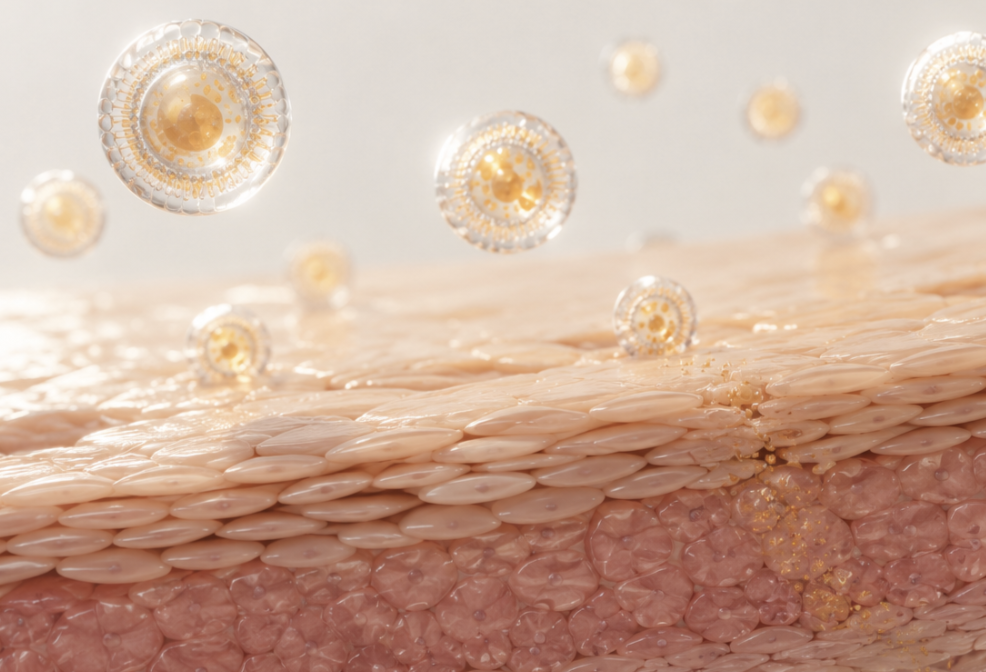
As biotechnology continues to advance, researchers are developing new ways to evaluate skincare ingredients while reducing reliance on animal testing. One promising innovation is 3D-printed human skin, a laboratory-grown model designed to closely mimic the structure and function of real skin.
How 3D-Printed Skin Works
Researchers from Graz University of Technology in Austria and the Vellore Institute of Technology in India developed a 3D bioprinting technique that could significantly reduce, or potentially eliminate, the need for animal testing in cosmetic and pharmaceutical research.
The process uses living human skin cells embedded within a specialized hydrogel to recreate many of the biological properties of normal skin, including hydration and flexibility. The engineered skin is designed to respond to cosmetic products in a way that closely resembles human skin, making it a promising platform for testing new ingredients and formulations.
Why This Matters for Cosmetic Research
Beyond cosmetic testing, the technology could also support research in wound healing, tissue engineering, and pharmaceutical development. Because laboratory-grown skin more closely resembles human tissue than many traditional testing models, it may provide researchers with more meaningful data while offering a more ethical alternative to animal testing.
The research team is now working to extend the lifespan of the engineered skin from just a few days to several weeks, which could make it more useful for longer-term product testing and other scientific applications.
—
References: Researchers Develop 3D-Printed Synthetic Skin to Eliminate Animal Testing