If CO2 laser resurfacing sounds like more downtime than you’re comfortable with, Fraxel DUAL is often the next treatment discussed. It addresses many of the same concerns, including fine lines, acne scars, and uneven texture, but uses a gentler fractional approach that usually allows for a quicker recovery.
How Fraxel DUAL Laser Works
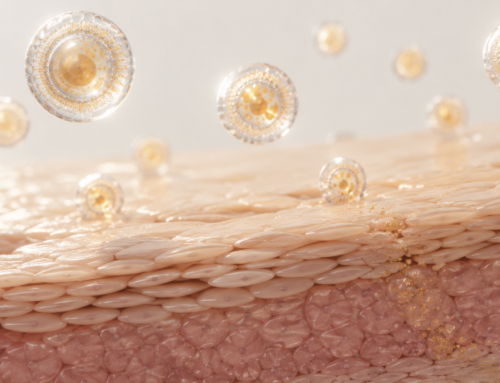
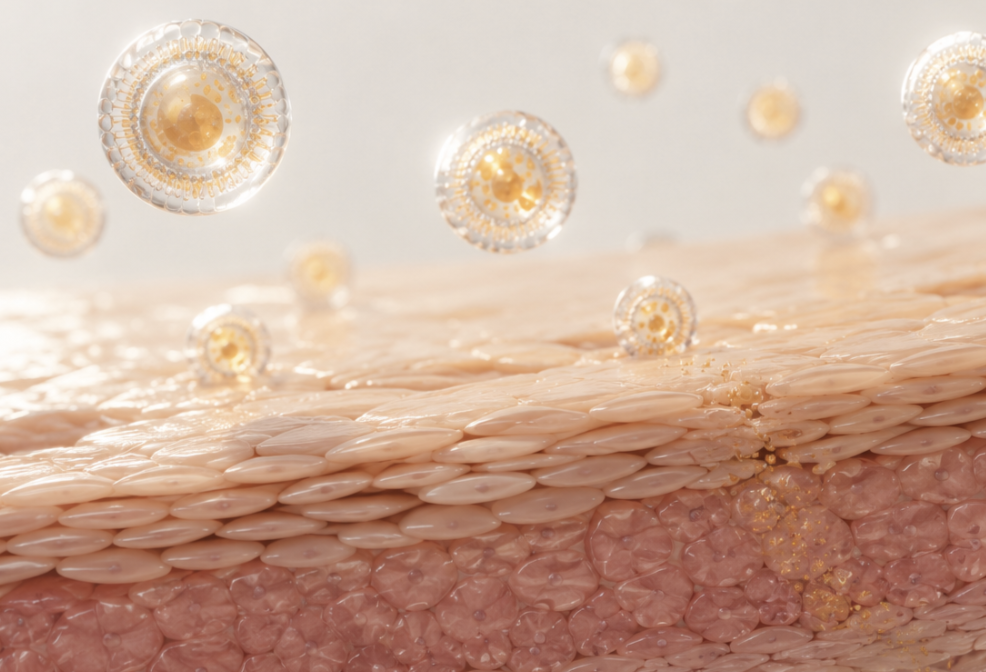
The Fraxel DUAL 1550/1927 laser uses fractional resurfacing, meaning it treats the skin in a pattern of microscopic columns rather than resurfacing the entire treatment area at once.
Each microscopic column creates a controlled thermal injury that stimulates the body’s natural healing response. This process encourages new collagen production and helps replace damaged skin cells with healthier ones.
Because Fraxel DUAL is nonablative, it does not remove the entire top layer of skin in the way an ablative CO2 laser can. This generally results in less downtime while still improving skin tone, texture, and firmness.
Two Treatment Modes at Different Depths
Fraxel DUAL combines two wavelengths that target different layers of the skin.
1550 nm Wavelength
The 1550 nm wavelength penetrates more deeply into the skin. It is commonly used to address:
- Fine lines and wrinkles
- Acne scars
- Uneven texture
- Deeper collagen remodeling
- Skin firmness
1927 nm Wavelength
The 1927 nm wavelength works more superficially and is commonly used to improve:
- Sun damage
- Brown spots
- Uneven pigmentation
- Surface texture
- Early signs of aging
Using both wavelengths in a treatment plan allows the provider to address concerns at different depths.
What Fraxel DUAL Can Treat
Acne Scarring
Fraxel creates controlled areas of thermal injury in the deeper layers of the skin, which stimulates collagen production and remodeling.
Over a series of treatments, this may help soften depressed acne scars, including some boxcar and rolling scars, and improve overall skin texture. Ice-pick scars may require additional treatments, such as TCA CROSS or other targeted procedures.
Wrinkles and Fine Lines
By promoting collagen production and skin renewal, Fraxel may soften fine lines around areas such as the:
- Eyes
- Mouth
- Forehead
The results are generally more gradual than with aggressive ablative resurfacing, but recovery is typically shorter.
Uneven Skin Texture
Fraxel may help improve:
- Rough texture
- Enlarged-looking pores
- Residual acne scarring
- Sun-damaged skin
- Uneven surface texture
Stretch Marks
Fraxel may reduce the depth and discoloration of stretch marks by stimulating collagen remodeling in the deeper layers of the skin.
Results can vary depending on the age, color, and location of the stretch marks.
Overall Skin Rejuvenation
Fraxel DUAL may be used for general skin rejuvenation by helping improve:
- Uneven tone
- Sun spots
- Fine lines
- Texture
- Mild skin laxity
- Signs of photodamage
What the Treatment Process Looks Like
Consultation
The treatment plan should be based on your skin type, specific concerns, goals, and ability to manage downtime.
Many patients undergo a series of treatments, although the number and spacing of sessions should be individualized.
Procedure
A topical numbing cream is usually applied before treatment to help reduce discomfort.
The laser is then passed over the treatment area, creating microscopic columns of thermal injury while leaving surrounding skin intact. The untreated skin helps support a faster healing process.
Recovery
After treatment, the skin may feel warm or similar to a mild sunburn.
Common temporary effects include:
- Redness
- Swelling
- Dryness
- Flaking
- Peeling
- A rough or sandpaper-like texture
These effects are usually most noticeable during the first several days.
Gentle, barrier-supportive skincare and consistent sun protection are important throughout recovery.
Results Timeline
Some improvement may be visible after one session, particularly in brightness and texture. More significant results usually develop gradually over several months as collagen continues to remodel.
Maintenance treatments may be recommended depending on your skin concerns, sun exposure, and long-term goals.
Fraxel DUAL vs. CO2 Laser Resurfacing
Fraxel DUAL and CO2 laser resurfacing can address some of the same concerns, but they differ in treatment intensity and recovery.
Fraxel DUAL
Fraxel DUAL may be better suited for patients who want:
- Less downtime
- Gradual improvement
- Treatment of pigmentation and texture
- A nonablative approach
- A series of more moderate treatments
CO2 Laser
CO2 laser resurfacing may be more appropriate for:
- Deeper wrinkles
- More severe acne scarring
- Advanced sun damage
- Significant texture changes
- Patients comfortable with a longer recovery
Fraxel often requires multiple sessions to achieve meaningful improvement, while a more aggressive CO2 treatment may produce a greater change in fewer sessions but involve more downtime and risk.
A Note on Asian Skin and Skin of Color
Fraxel DUAL can be used in Asian skin and other skin of color, but treatment settings and wavelength selection should be carefully tailored.
The 1927 nm wavelength, in particular, may carry a risk of post-inflammatory hyperpigmentation in patients with more melanin-rich skin. Conservative settings, careful aftercare, and an experienced provider are important.
A dermatologist may recommend pretreatment or post-treatment pigment-regulating skincare depending on the patient’s history and risk factors.
Possible Risks
Potential risks of Fraxel DUAL include:
- Prolonged redness
- Swelling
- Acne or milia
- Cold sore reactivation
- Post-inflammatory hyperpigmentation
- Infection
- Burns
- Scarring
- Temporary worsening of pigmentation
Choosing a trained and experienced provider can help reduce these risks.
The Bottom Line
Fraxel DUAL is a nonablative fractional laser that uses two wavelengths to target concerns at different depths of the skin.
It can help improve acne scars, fine lines, sun damage, uneven texture, pigmentation, and stretch marks with less downtime than more aggressive CO2 resurfacing. However, it often requires a series of treatments, and results develop gradually.
The best choice between Fraxel DUAL and CO2 laser resurfacing depends on your skin type, treatment goals, and tolerance for downtime. A consultation with a board-certified dermatologist can help determine which approach is most appropriate.