If you’re dealing with stubborn hyperpigmentation, melasma, or acne scarring and want a treatment with minimal downtime, PicoWay laser, is one of the more advanced options available.
Unlike older laser technologies, it uses ultrashort energy pulses to work with the skin’s natural healing process while generating less heat in the surrounding tissue. This can make it a useful option for a wide range of skin tones, including Asian skin and other melanin-rich skin types.
How PicoWay Laser Works
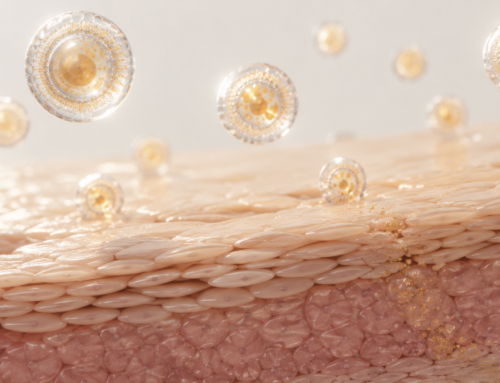
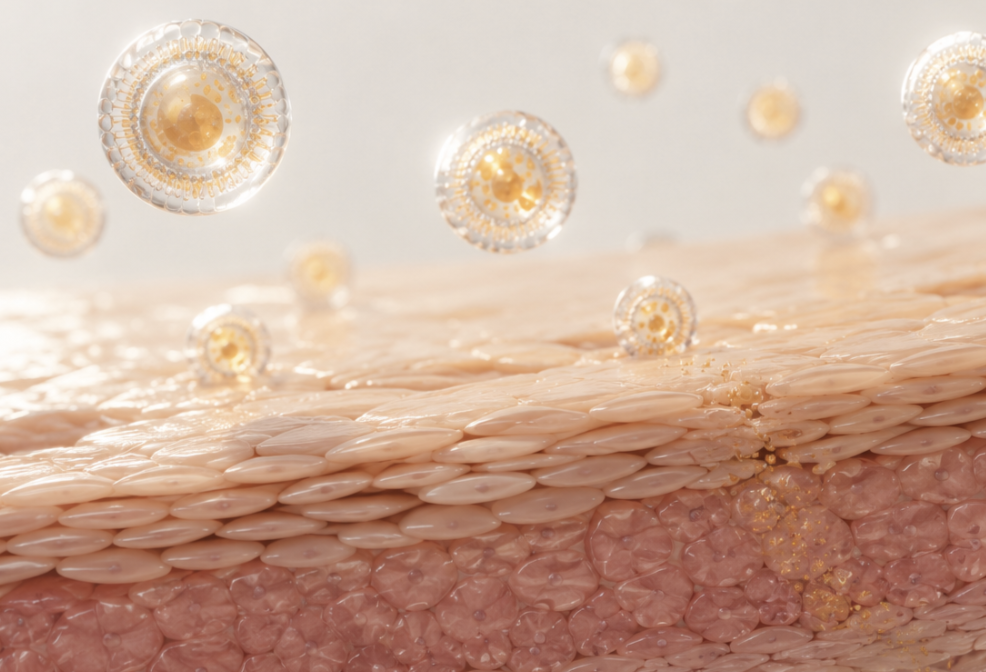
PicoWay delivers extremely short pulses of energy into the skin to target pigment.
These rapid pulses break pigment particles into smaller fragments, which the body gradually clears over time. The laser can also stimulate collagen remodeling, which may help improve skin texture and soften the appearance of fine lines and certain scars.
The key difference from many older laser technologies is the speed of the pulse. PicoWay delivers energy so quickly that it creates a primarily photoacoustic, or pressure-based, effect rather than relying mainly on heat.
This may reduce thermal damage to the surrounding skin.
What PicoWay Can Treat
Hyperpigmentation
PicoWay may be used to treat concerns such as:
- Dark spots
- Sun damage
- Uneven pigmentation
- Certain types of melasma
- Post-inflammatory hyperpigmentation
By breaking pigment into smaller particles while limiting heat exposure, PicoWay may reduce the risk of irritation compared with some traditional laser treatments.
However, melasma can be unpredictable and may worsen after laser treatment in some patients, so careful patient selection and conservative settings are important.
Acne Scarring
PicoWay can also be used with fractional handpieces to stimulate collagen remodeling in the deeper layers of the skin.
This may help improve:
- Atrophic acne scars
- Uneven texture
- Mild rolling scars
- Some boxcar scars
Raised scars may require different or additional treatments, depending on the scar type.
Overall Skin Rejuvenation
PicoWay may contribute to a clearer and more even-toned appearance by improving:
- Skin clarity
- Uneven tone
- Mild textural irregularities
- Fine lines
- Signs of sun damage
Why PicoWay May Be Suitable for Asian and Darker Skin
Asian skin and other melanin-rich skin types may have a higher risk of post-inflammatory hyperpigmentation after heat-based laser treatments.
PicoWay relies more heavily on a photoacoustic effect than a photothermal effect. In other words, it uses rapid pressure waves to break apart pigment while producing less heat in the surrounding tissue.
This may reduce the risk of unwanted pigment changes compared with some older laser technologies.
However, no laser is completely risk-free for darker skin tones. The provider’s experience, device settings, wavelength selection, and aftercare all play an important role in safety.
What the Treatment Process Looks Like
Consultation
Your dermatologist will evaluate your skin type, medical history, and specific concerns before recommending treatment.
The number of sessions needed varies depending on:
- The condition being treated
- The depth and type of pigment
- The treatment area
- The patient’s skin tone
- Previous treatments
- The desired level of improvement
Procedure
The treatment itself is usually relatively quick.
A topical anesthetic may be applied beforehand to reduce discomfort. Most patients describe the sensation as similar to an elastic band snapping against the skin.
The laser is then passed over the treatment area using settings selected for the specific concern and skin type.
Recovery
After treatment, the skin may appear:
- Red
- Swollen
- Tender
- Mildly irritated
These effects often feel similar to a mild sunburn and may last for approximately 24 to 48 hours, although recovery varies.
Depending on the treatment settings and concern being treated, mild pinpoint bleeding, darkening of pigment, crusting, or scabbing may also occur.
Patients should avoid picking or scratching the treated skin.
Aftercare
Post-treatment care may include:
- Applying a gentle moisturizer
- Avoiding harsh or irritating skincare products
- Limiting excessive heat and strenuous exercise
- Avoiding direct sun exposure
- Using broad-spectrum SPF 30 or higher
- Following all instructions provided by the treating dermatologist
Consistent sun protection is especially important when treating pigmentation.
When Will You See Results?
Some improvement may be visible after the first session, but results usually develop gradually over several weeks as pigment clears and collagen remodeling continues.
Most patients need multiple sessions to achieve their desired result.
The number and spacing of treatments depend on the condition being treated and how the skin responds.
Potential Risks
Possible side effects include:
- Temporary redness
- Swelling
- Tenderness
- Bruising
- Crusting or scabbing
- Post-inflammatory hyperpigmentation
- Hypopigmentation
- Burns
- Scarring
- Temporary worsening of melasma
Choosing an experienced provider who understands how to treat diverse skin tones can help reduce these risks.
The Bottom Line
PicoWay is a picosecond laser that uses ultrashort energy pulses to target pigment and stimulate collagen remodeling.
It may help improve hyperpigmentation, sun damage, acne scarring, uneven texture, and certain signs of aging with less downtime than more aggressive resurfacing treatments.
A consultation with a board-certified dermatologist can help determine whether PicoWay is appropriate for your skin, concerns, and treatment goals.