If you’ve been researching treatments for deep wrinkles, acne scarring, or stubborn sun damage, CO2 laser resurfacing has likely come up. It is one of the most effective options for deeper skin rejuvenation, but it is also more involved than a quick, low-downtime laser treatment.
Here is what happens during the procedure and what recovery typically looks like.
How CO2 Laser Resurfacing Works
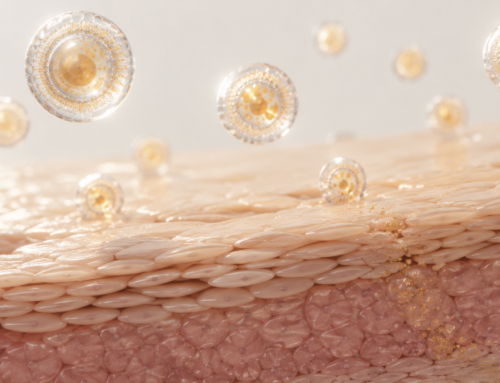
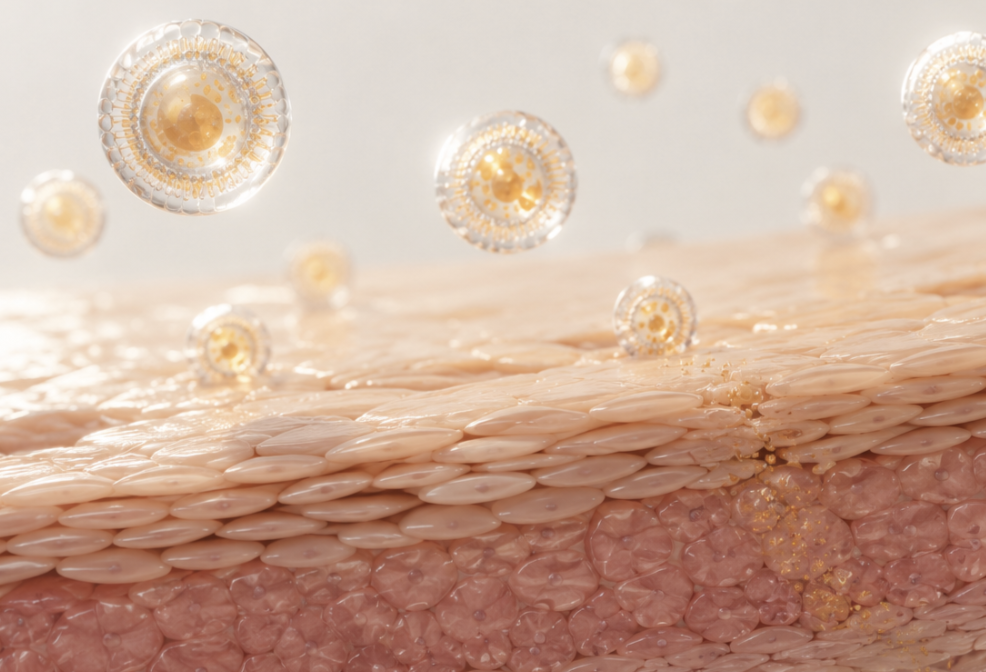
CO2 laser technology uses concentrated beams of light that are absorbed by the water in skin cells.
This energy removes damaged outer layers of skin and prompts the body to generate fresh skin cells. At the same time, the laser stimulates collagen production in deeper layers, which can help improve firmness, texture, and elasticity over time.
Because CO2 lasers can penetrate more deeply than many other resurfacing treatments, they are often used for more significant concerns, such as pronounced scarring or advanced sun damage, rather than mild surface texture.
What CO2 Laser Can Treat
Acne Scarring
CO2 resurfacing can be used to improve atrophic acne scars, including boxcar and some ice-pick scars.
By targeting scarred tissue and stimulating new collagen formation, the treatment may gradually smooth uneven texture and reduce the appearance of scarring. Some patients may need multiple sessions or a combination of treatments, depending on the scar type and severity.
Wrinkles and Fine Lines
CO2 laser resurfacing can target wrinkles around the eyes, mouth, and forehead.
The treatment removes damaged surface skin while stimulating collagen in deeper layers, which may improve both superficial lines and more pronounced wrinkles.
Uneven Skin Texture
The treatment may help improve:
- Rough texture
- Enlarged-looking pores
- Sun-damaged skin
- Texture changes from previous breakouts
- Uneven surface irregularities
Surgical Scars
CO2 resurfacing may help soften certain surgical scars by remodeling scar tissue and encouraging the formation of healthier skin.
Results vary depending on the age, depth, color, and location of the scar.
Overall Skin Rejuvenation
In addition to treating specific concerns, CO2 laser resurfacing may improve overall tone, pigmentation irregularities, firmness, and skin texture.
What the Treatment Process Looks Like
Consultation
Every treatment plan should begin with a detailed evaluation of your skin, medical history, and goals.
The depth and intensity of the laser should be customized based on factors such as:
- Skin type
- Treatment area
- Concern being treated
- History of pigmentation
- Previous procedures
- Ability to manage downtime
Procedure Day
Patients are usually instructed to arrive with clean skin and no makeup, lotion, or cream on the treatment area.
A topical numbing cream is commonly applied before treatment. Depending on the treatment intensity and area, additional pain management may also be used.
The laser then creates controlled areas of injury in the skin to trigger resurfacing and collagen remodeling.
Recovery
Immediately after treatment, the skin may feel hot or similar to a sunburn.
Expected temporary effects can include:
- Redness
- Swelling
- Tenderness
- Peeling
- Crusting
- Oozing in more aggressive treatments
Following aftercare instructions closely is essential. This may include:
- Using cold compresses
- Applying gentle ointments or moisturizers
- Avoiding sun exposure
- Not picking or peeling the skin
- Cleansing gently
- Avoiding irritating skincare products
Antiviral or antibiotic medication may sometimes be prescribed, depending on the patient’s history and the type of treatment performed.
How Long Does Recovery Take?
Initial healing often takes approximately 7 to 14 days, although recovery varies based on treatment depth.
During this period, the skin may peel, flake, or crust before fresher skin becomes visible. Redness can persist for several weeks and may last longer after more aggressive resurfacing.
Collagen remodeling continues well beyond the initial healing period. More noticeable improvement may develop over 3 to 6 months, with continued changes for up to a year.
A Note on Asian Skin and Skin of Color
CO2 laser resurfacing can be performed safely in Asian skin and other skin of color, but treatment requires careful patient selection and an experienced provider.
These skin types may have a higher risk of post-inflammatory hyperpigmentation after laser treatment. The settings, treatment depth, preparation, and aftercare should therefore be tailored carefully rather than approached with a standard protocol.
In some cases, a dermatologist may recommend pretreatment with pigment-regulating skincare or a more conservative laser approach.
Possible Risks
Potential risks of CO2 laser resurfacing include:
- Prolonged redness
- Swelling
- Infection
- Cold sore reactivation
- Post-inflammatory hyperpigmentation
- Hypopigmentation
- Scarring
- Acne or milia during healing
- Delayed recovery
Choosing an experienced, board-certified dermatologist or appropriately trained physician can help reduce these risks.
Is CO2 Laser Resurfacing Right for You?
CO2 resurfacing is often best suited for people with more significant concerns, such as deep acne scars, pronounced wrinkles, or substantial sun damage.
Milder concerns may respond well to treatments with less downtime, such as gentler fractional lasers, chemical peels, microneedling, or other resurfacing procedures.
Because CO2 laser treatment involves real downtime and a structured recovery period, it is important to discuss your skin type, goals, medical history, and schedule with a board-certified dermatologist before moving forward.