
Pulsed Dye Laser in NYC: Treating Redness, Rosacea and Broken Vessels
Medically reviewed by Jane Yoo, MD, board-certified dermatologist and Mohs surgeon.
The short answer: a pulsed dye laser (PDL) targets the red pigment in blood vessels, so it can reduce facial redness, visible capillaries and some scars without damaging the surrounding skin. It treats the vessels, not the underlying causes of rosacea, so it works best alongside a medical plan.
How a pulsed dye laser works
The PDL emits a yellow light at 595 nm that is absorbed by hemoglobin in blood. The vessel absorbs the energy and closes, and your body gradually clears it. The result is less visible redness. Surrounding skin is spared, and cooling protects the surface during treatment.
What it treats
- Persistent facial redness and flushing.
- Rosacea. It targets the visible vessels and background redness.
- Broken capillaries (telangiectasias). Common on the cheeks and around the nose.
- Spider angiomas and some other small vascular lesions.
- Red scars and stretch marks. The redness often responds well.
Not every red mark is a blood vessel. Some red or pink spots can be skin cancers, inflammatory conditions or infections. As a dermatologist and Mohs surgeon, I examine the area before treating.
Rosacea needs more than a laser
Rosacea is a chronic condition that involves inflammation, sensitive vessels and triggers such as sun, heat, alcohol, spicy foods and stress. A laser can clear visible vessels, but it does not stop flares. In practice that means:
- Treat the inflammation with prescription topicals or oral medication when needed.
- Clear the vessels with PDL in a short series.
- Protect the skin with a gentle routine and daily sunscreen.
- Know your triggers so that results last.
What to expect from treatment
- Consultation. I examine the skin, discuss your triggers and rule out other causes.
- Treatment. The laser delivers short pulses, each with a quick snap, like a rubber band. A cooling burst protects the skin.
- Right after. Redness and swelling, sometimes a sunburn feeling.
- Bruising. Depending on the settings used, you may develop purple bruising that lasts about one to two weeks. Gentler settings with less bruising are available, but may need more sessions.
- Results. Redness fades over the following weeks. Most people need a series spaced several weeks apart.
Aftercare
- Gentle cleanser and moisturizer, no scrubbing
- Cool compresses if swollen, as directed
- Avoid heat, alcohol, strenuous exercise and hot showers for a few days
- Daily SPF 50 sunscreen and no tanning
- Do not pick or rub treated areas
Who is a good candidate
- You have persistent facial redness or visible vessels that bother you.
- You can accept a period of bruising, or choose gentler settings.
- Your skin is not currently tanned.
Deeper skin tones need careful settings because the laser also interacts with melanin. This is something I assess in person.
Risks to know about
Temporary bruising, swelling and redness are expected. Less commonly, treated skin can darken or lighten, form a blister or crust, or in rare cases scar. Careful settings and sun protection lower these risks.
PDL vs other treatments for redness
| Option | Targets | Notes |
|---|---|---|
| Pulsed dye laser | Blood vessels and background redness | Series of treatments; bruising possible |
| Prescription rosacea medication | Inflammation and bumps | Often combined with laser |
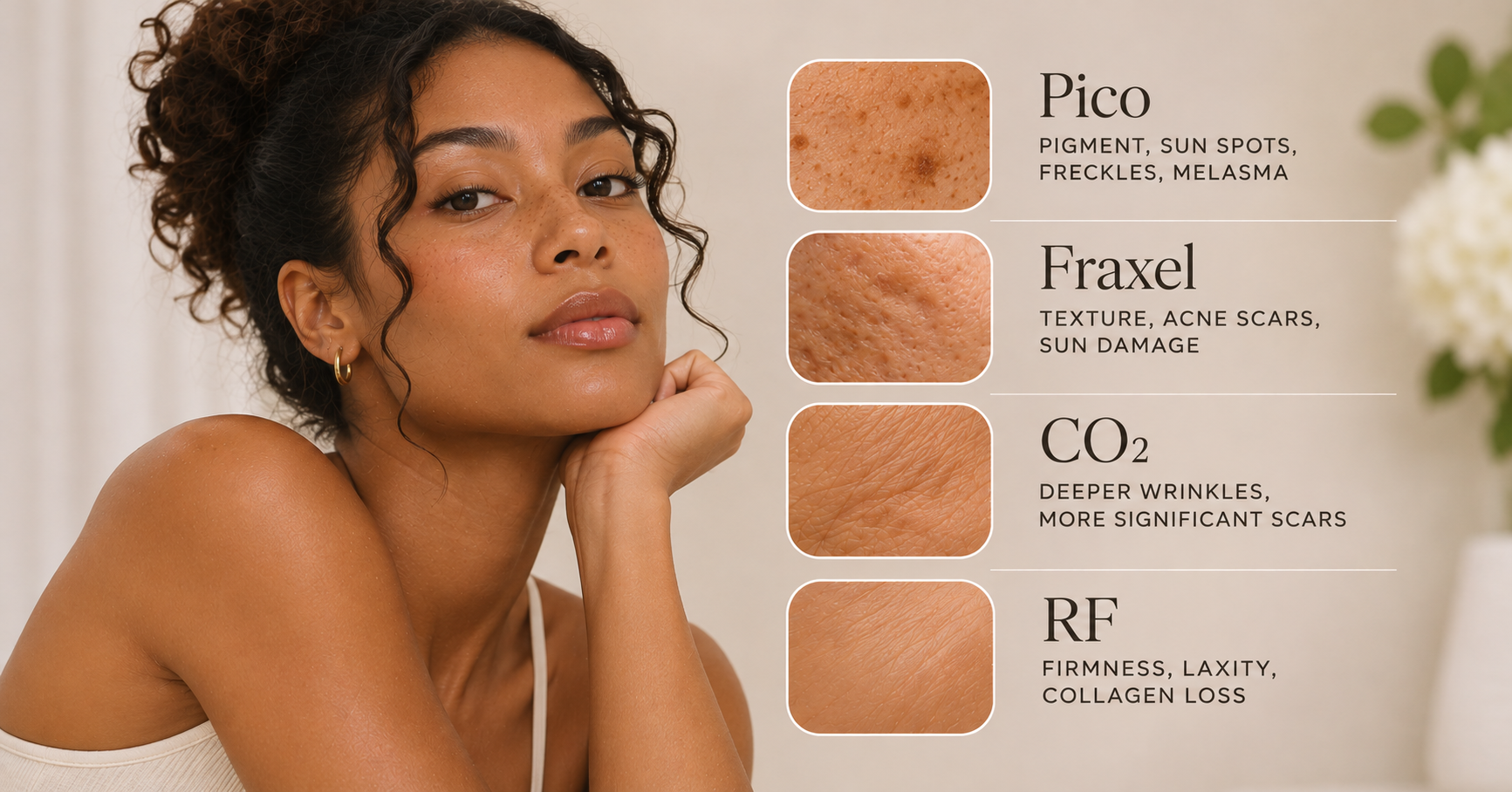
| Pico laser | Pigment, not blood vessels | See Pico Laser for Melasma and Sun Spots |
| Sunscreen and gentle skincare | Prevents flares and damage | Foundation of every plan |
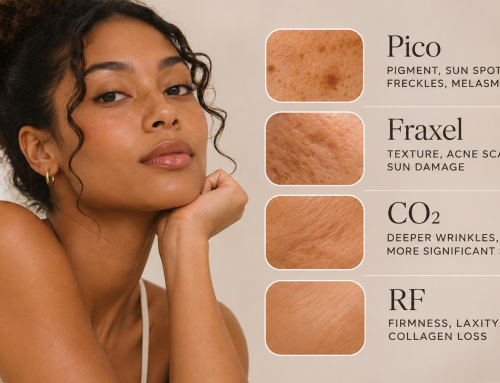
To see how PDL fits with my other devices, read Fraxel vs Pico vs CO2 vs RF.
Frequently asked questions
Will the redness come back? Treated vessels usually do not return, but new ones can form, especially if triggers persist. Maintenance sessions may be advised.
Does PDL hurt? Most people feel quick snaps of heat. Numbing cream is an option.
How many sessions do I need? Most people need a short series. I will give you an estimate after examining you.
Can PDL cure rosacea? No. It reduces visible vessels and redness, and works best with a medical plan.
Can I wear makeup afterward? Often yes, though I may advise waiting if you have bruising or crusting.
Want your redness evaluated? Book a consultation with Dr. Yoo at 162 West 56th Street, Midtown Manhattan.


Leave A Comment