GLP-1 Drugs and the Aesthetics Market: What Brands and Investors Need to Know
A Drug Class That Reshapes a Market
The GLP-1 receptor agonist category, including semaglutide, tirzepatide, and the rapidly expanding pipeline of oral and injectable GLP-1 drugs, is one of the most significant external forces acting on the beauty and aesthetics market right now.
The effects are not uniform. They are not fully understood yet. And they are creating both disruption and opportunity across multiple segments of the beauty, skincare, body contouring, and injectable aesthetics industries.
For beauty brands, aesthetics investors, and clinical providers navigating this landscape, a clear-eyed assessment of the specific market dynamics at play, along with the second-order effects that are just beginning to emerge, is essential for strategic planning.
The Direct Aesthetics Market Effect: Facial Volume Loss
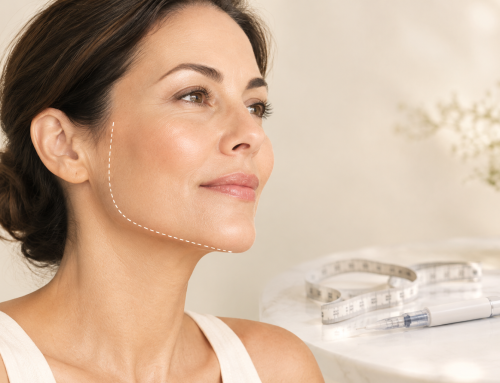
The most immediately visible market effect of GLP-1-driven weight loss is the emergence of “Ozempic face” as both a clinical and consumer category.
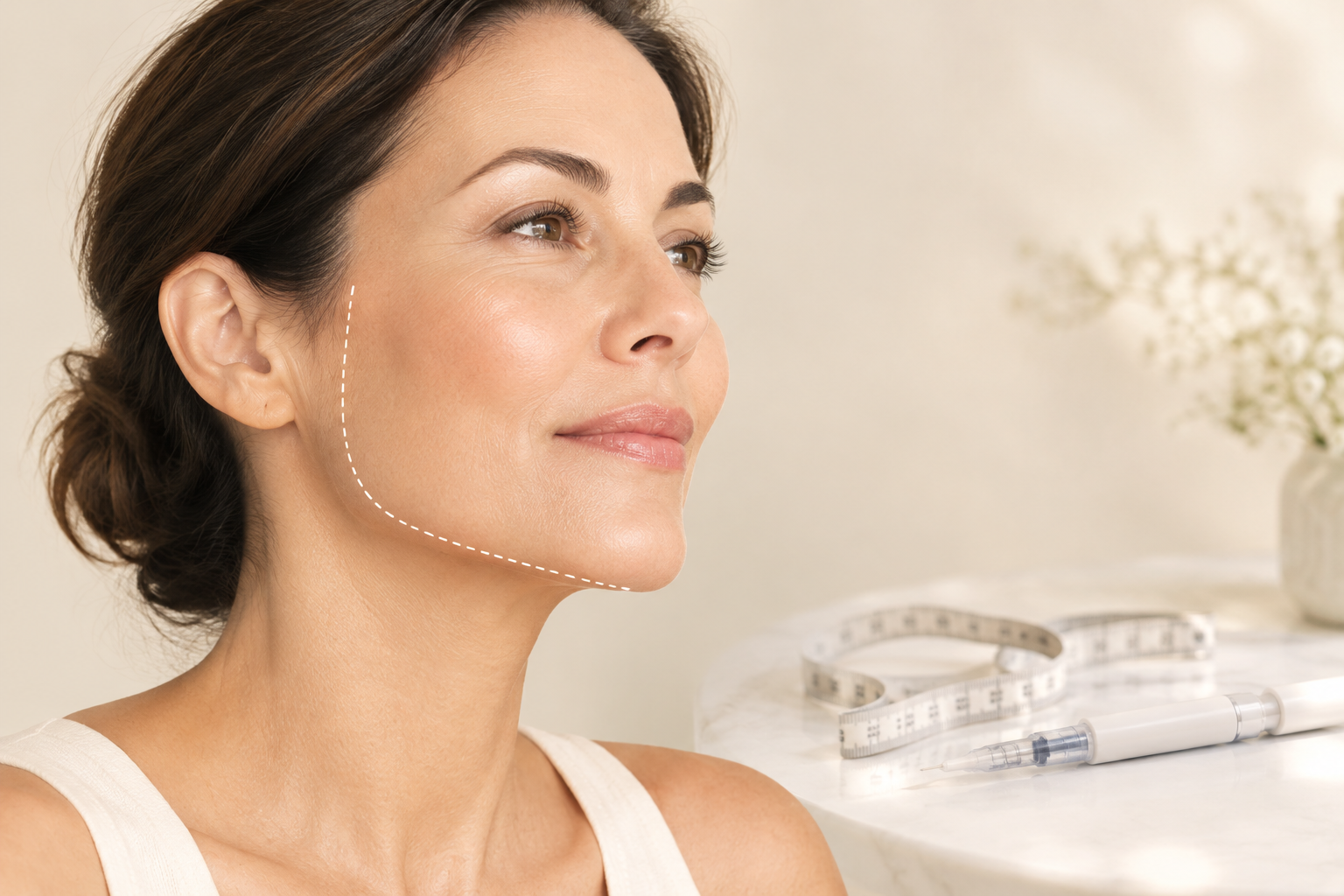
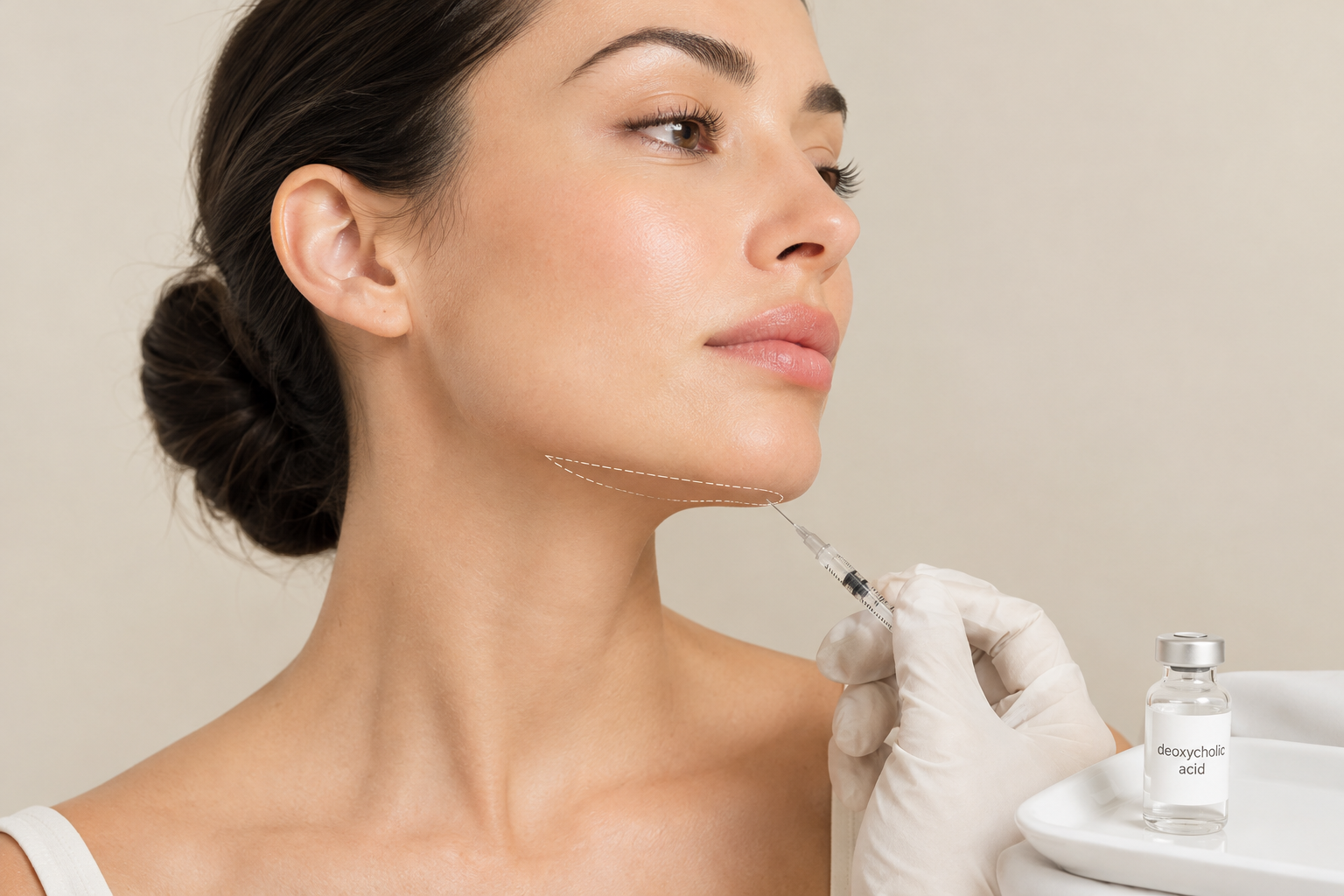
Rapid facial volume loss, including hollowing of the cheeks, temples, and periorbital areas, can accompany significant weight reduction. This has created substantial incremental demand for facial restoration treatments.
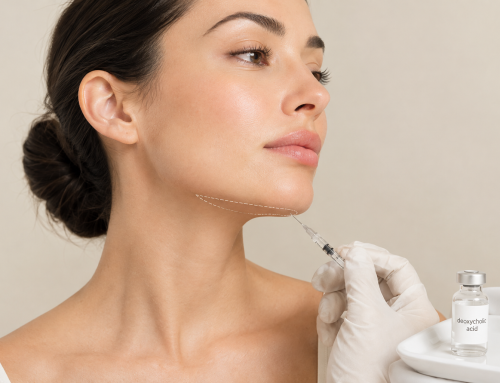
The injectable aesthetics market has felt this most directly. Filler manufacturers, distributors, and aesthetic practices have reported increased interest in facial restoration procedures among patients who cite GLP-1-related weight loss as their motivation.
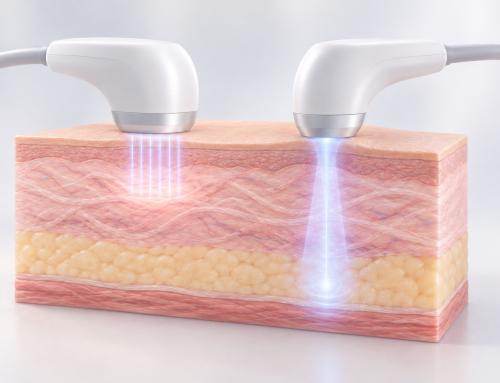
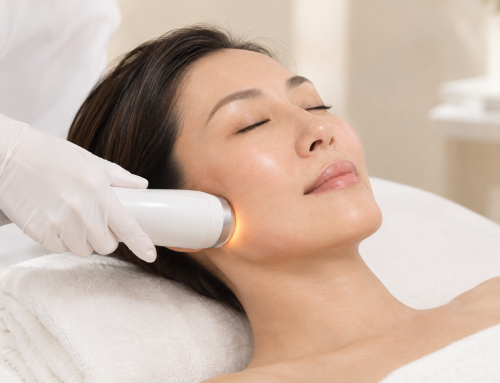
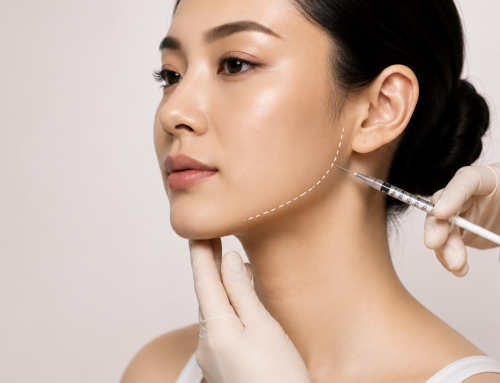
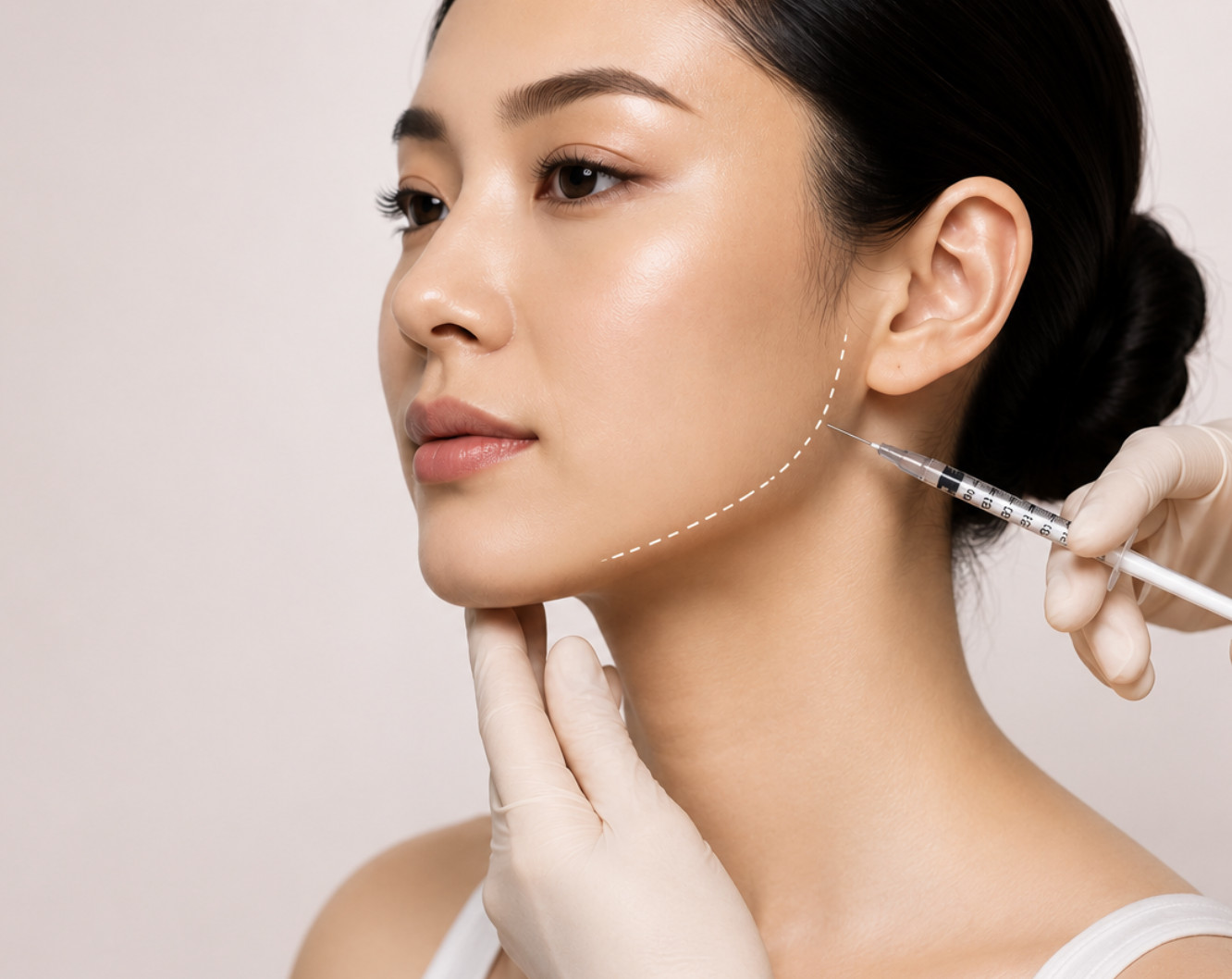
The specific procedures in demand include hyaluronic acid filler for midface and tear trough restoration, Sculptra for diffuse volumization and skin quality improvement, and energy-based skin tightening for jowl and neck laxity that can accompany significant facial volume loss.
Practice-level reports suggest that GLP-1-related aesthetic consultations have grown from near-zero in 2022 to a meaningful share of new cosmetic dermatology consultations in high-prescribing markets. This effect is likely still in an early phase, given how recently GLP-1 prescriptions have scaled to a broader population level.
The Fear of Overfilling Countertrend
Critically, the facial restoration demand generated by GLP-1-related volume loss is arriving at the same time that consumer aesthetics is undergoing its most significant taste shift in a decade: the rejection of obvious filler and the embrace of injectable minimalism.
This creates a nuanced demand profile that injectors, filler brands, and investors need to understand.
GLP-1 patients may want volume restoration, but many are acutely aware of the overfilled aesthetic and resistant to it. They want to look like themselves at a lower weight, with their facial structure intact. They do not want to look like they have been filled.
This is driving demand for biostimulators such as Sculptra and Radiesse over traditional hyaluronic acid fillers in some volume-depleted patients, because biostimulators produce gradual, structural-looking results rather than obvious added volume.
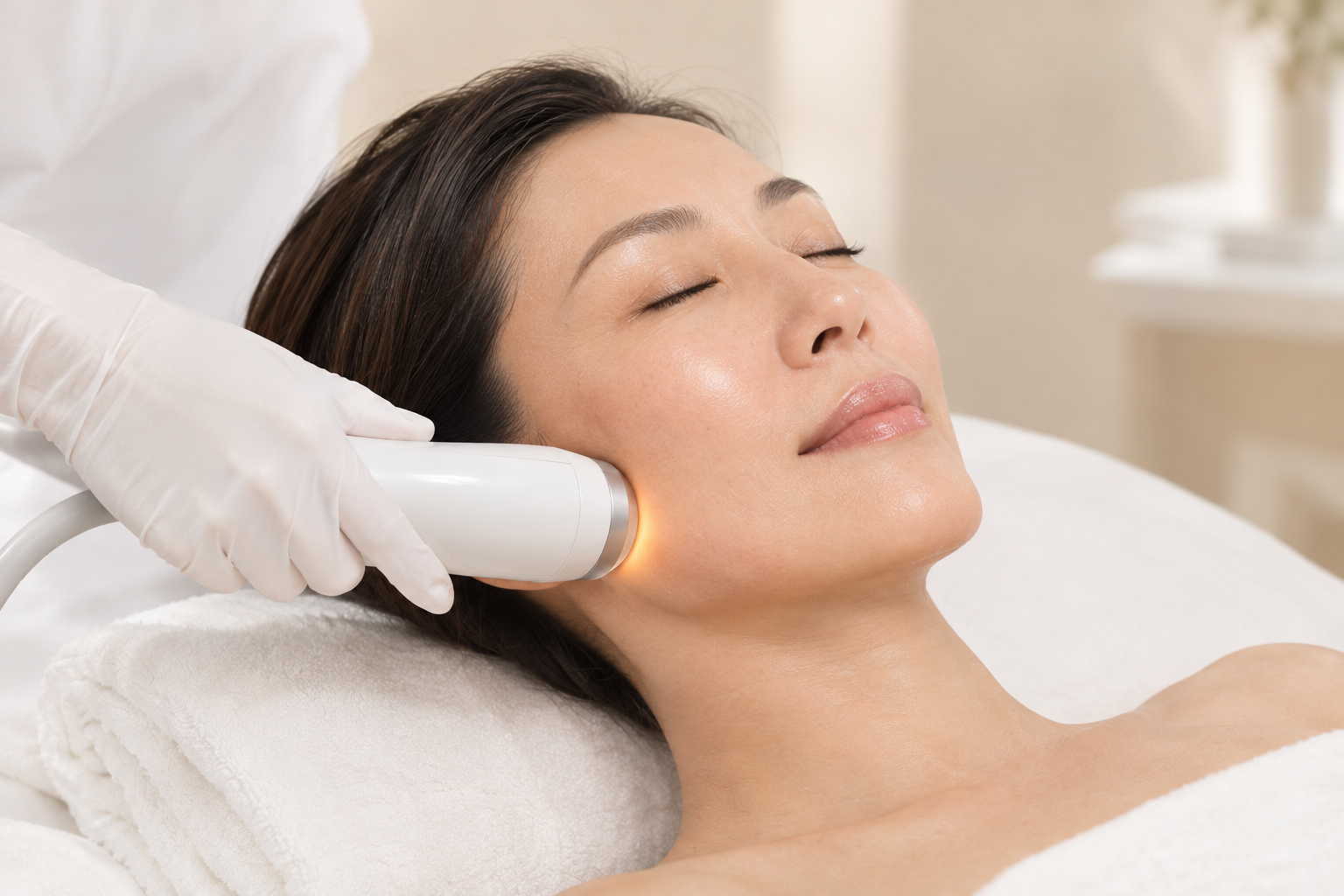
It is also driving increased demand for combination approaches: skin tightening devices plus modest filler, rather than filler as the primary intervention.
For brands, the messaging opportunity is not “restore volume at all costs.” It is “restore structure, skin quality, and facial harmony without looking overdone.”
The Skin Quality Opportunity: Collagen Loss Beyond the Face
The less-discussed but commercially significant skin quality effect of rapid GLP-1-driven weight loss extends beyond the face.
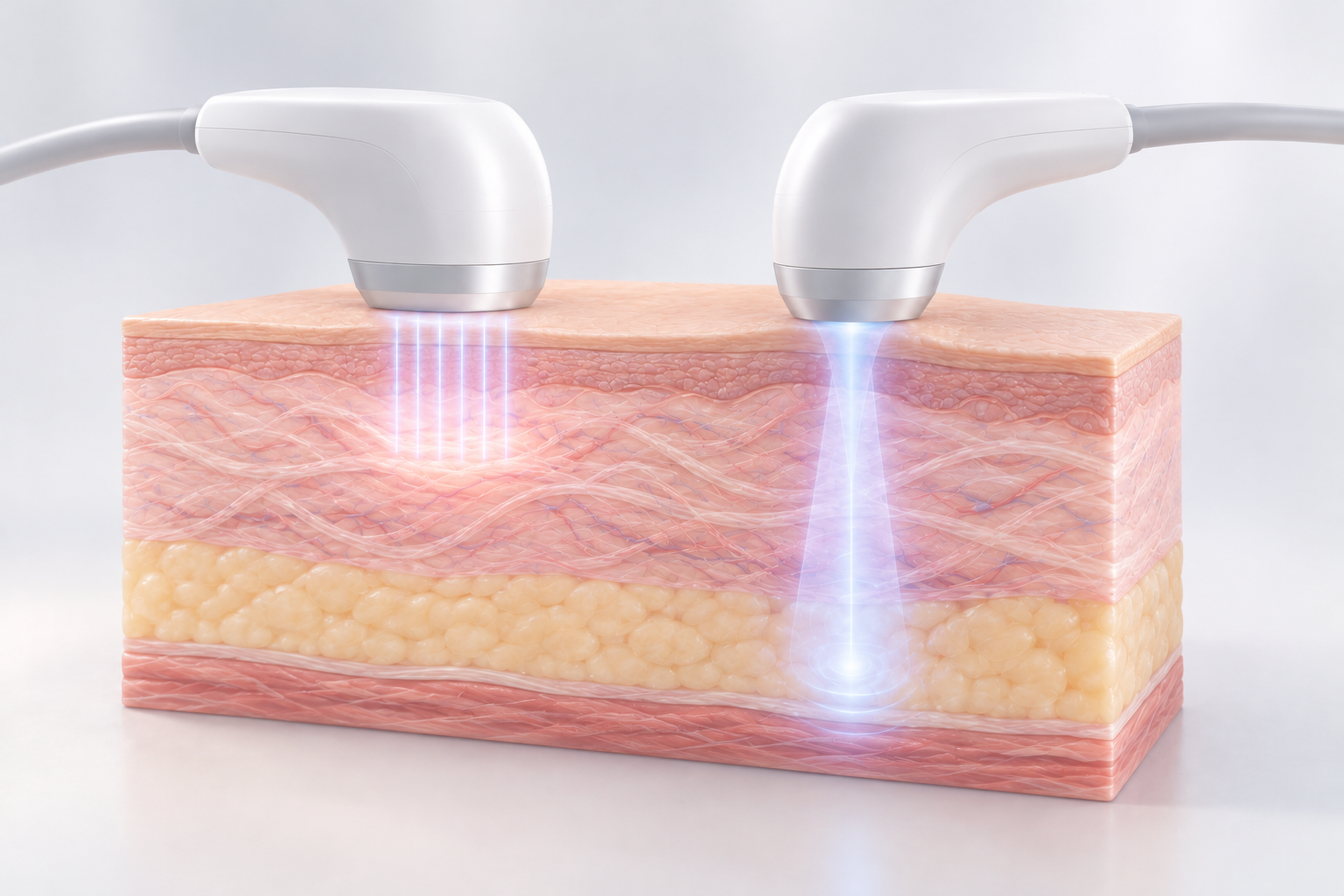
Significant body weight loss can create skin laxity in areas including the abdomen, arms, thighs, neck, and jawline. These are areas where non-invasive body contouring devices and skin tightening platforms have positioned themselves as alternatives, or complements, to surgical approaches.
Devices such as Emsculpt Neo, Morpheus8 Body, BodyTite, and various radiofrequency and ultrasound-based platforms are seeing increased consultation demand from GLP-1-treated patients seeking to address body laxity and contour changes.
This is creating a significant adjacent market for the body contouring device segment that was not fully anticipated in pre-GLP-1 market models.
The body aesthetics conversation is shifting. It is no longer only about fat reduction. Increasingly, it is about skin quality, tone, laxity, contour, and the mismatch between reduced volume and stretched tissue.
The Skincare Formulation Opportunity
GLP-1-related weight loss affects skin quality in ways that create meaningful demand for specific skincare products.
Increased skin surface area relative to underlying volume creates demand for elasticity-supporting topicals. Collagen loss from rapid weight reduction creates demand for collagen-supporting actives such as retinoids, peptides, and growth factors. Changes in skin lipid composition associated with significant weight loss may also affect barrier function, creating demand for targeted barrier repair formulations.
Brands that develop product lines specifically positioned for post-weight-loss skin are entering a category with a large, pharmacologically created consumer base. These consumers are often highly motivated, already engaged with health and appearance change, and willing to spend on aesthetics.
The most credible product positioning will focus on:
- Barrier support
- Elasticity
- Skin quality
- Collagen maintenance
- Body skin care
- Neck and jawline support
- Post-weight-loss maintenance
The GLP-1-related skincare opportunity is real and underdeveloped. But brands should be careful not to overclaim. Topicals cannot replace lost facial volume or surgically correct significant laxity. Their strongest role is in supporting skin quality, barrier function, and maintenance alongside procedures or weight stabilization.
The Longer-Term Market Reshaping
The strategic question for the broader beauty and aesthetics market is longer-term: as GLP-1 drugs enable a larger portion of the population to maintain lower body weights, how does body image, and therefore aesthetic demand, change?
Successful weight loss often creates a new period of body awareness. Patients may become more willing to address facial aging, skin laxity, body contour, hair changes, or skincare concerns once weight loss goals have been achieved.
This could expand the addressable aesthetics market significantly.
The historical assumption that aesthetics demand is driven primarily by anti-aging may become too narrow. In the GLP-1 era, aesthetics demand may increasingly be driven by body transformation, weight-loss maintenance, and the desire to align the skin and face with a newly changed body.
For investors, that means the GLP-1 effect should not be viewed only as a pharmaceutical story. It is also a beauty, dermatology, medspa, device, injectable, and consumer skincare story.
The Provider Partnership Opportunity
From a brand strategy perspective, companies that build clinical partnerships with endocrinologists, obesity medicine specialists, and primary care physicians who prescribe GLP-1 drugs are positioning themselves near the top of the patient acquisition funnel.
These prescribers may not provide aesthetic services, but they are interacting directly with the patients most likely to experience rapid body composition changes, facial volume loss, skin laxity, and post-weight-loss aesthetic concerns.
The practices and brands that recognize GLP-1 prescribers as referral partners today will have a structural advantage as this market matures.
This does not mean aesthetics should be pushed aggressively into medical weight loss care. It means thoughtful, ethical education matters. Patients should know that facial volume changes, skin laxity, and body contour concerns can occur with major weight loss, and that evidence-based options exist when they are ready to address them.
What Brands and Investors Should Watch
The GLP-1 aesthetics market is still early. The most important signals to watch over the next 12 to 24 months include:
- Growth in GLP-1-related aesthetic consultations
- Demand for biostimulators versus traditional filler
- Device utilization for post-weight-loss skin laxity
- New skincare lines positioned around post-weight-loss skin
- Partnerships between aesthetic practices and GLP-1 prescribers
- Consumer language around “Ozempic face,” “Ozempic body,” and post-weight-loss maintenance
- Regulatory and advertising scrutiny around GLP-1-adjacent beauty claims
The winners in this category will not be the brands that simply attach “Ozempic” to their marketing. They will be the brands that understand the physiology, the consumer psychology, and the ethical limits of the opportunity.
Bottom Line
GLP-1 drugs are reshaping the aesthetics market in real time.
They are increasing demand for facial restoration, body skin tightening, collagen-supportive skincare, and post-weight-loss aesthetic planning. At the same time, they are colliding with a cultural shift away from obvious filler and toward more natural, structural, and skin-quality-focused results.
For beauty brands, this is a formulation and positioning opportunity. For investors, it is a category expansion signal. For aesthetic providers, it is a new patient journey that requires nuance, restraint, and clinical judgment.
The GLP-1 era is not just changing weight loss. It is changing how consumers think about their faces, bodies, skin, and long-term aesthetic maintenance.