If microneedling makes you squeamish, but you’re still after that smoother, more refined texture it promises, there’s a newer ingredient making waves that claims to deliver similar results without a single needle touching your skin. It’s called spicules, and it’s quickly becoming one of K-beauty’s most talked-about exports.
What Spicules Actually Are
Spicules are fine, needle-shaped particles derived from marine or freshwater sponges, commonly Spongilla species. Despite the name, they aren’t synthetic needles. They’re naturally occurring structures that happen to mimic one.
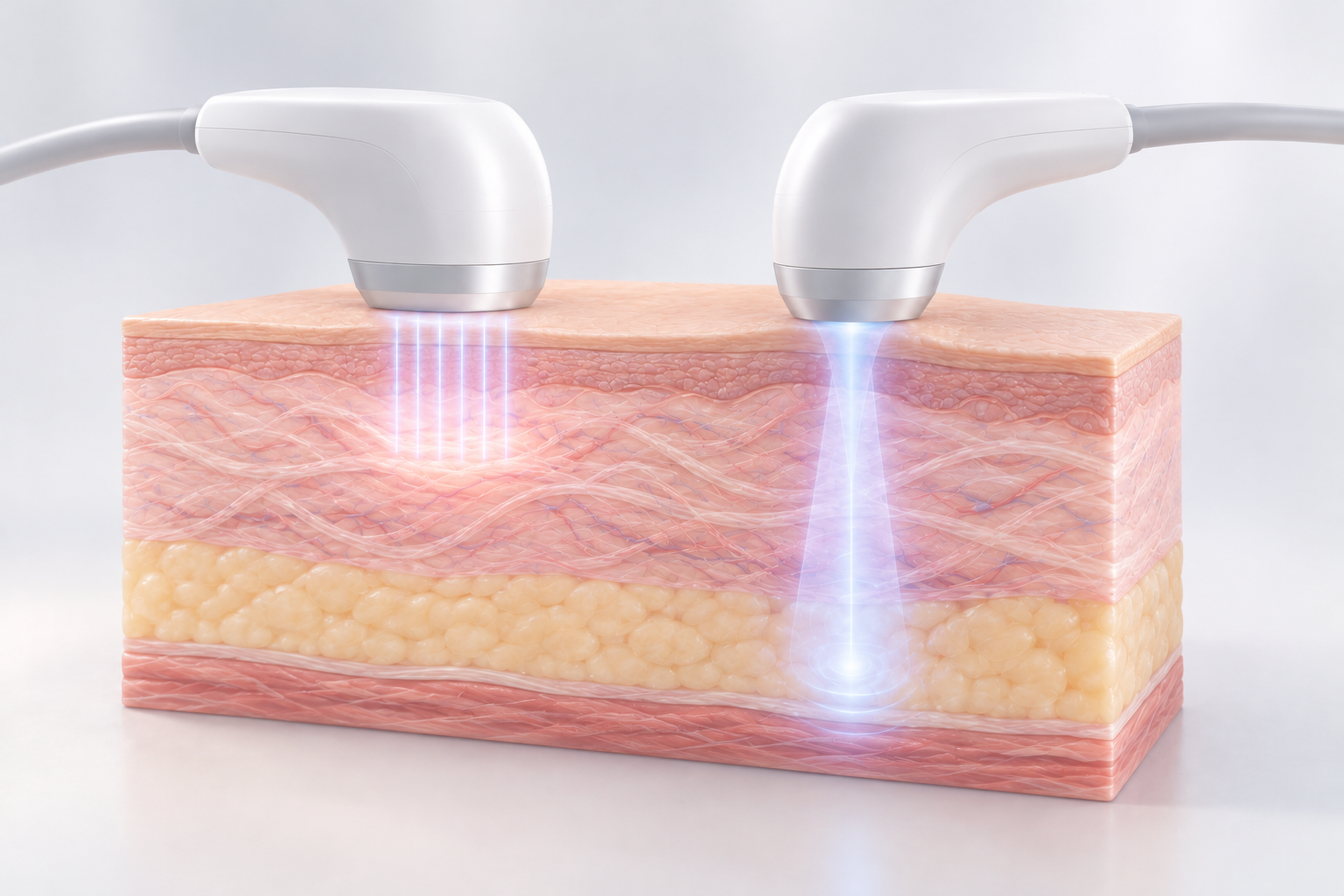
When massaged into skin, spicules create thousands of tiny, temporary microchannels in the outermost layer of the epidermis. Unlike traditional microneedling, where metal needles are inserted and then removed, spicules stay embedded in the surface layer of skin for a period of time before naturally shedding away as part of normal skin turnover.
How They’re Different From Actual Microneedling
The comparison to microneedling is where things get nuanced. Dermatologists are quick to point out that spicules and clinical microneedling aren’t interchangeable treatments.
Traditional microneedling uses a device with sterile needles that puncture skin at precise, controlled depths to stimulate deeper collagen remodeling. Spicules, by contrast, work more randomly and superficially. When spicules are applied topically, they move in various directions across the skin’s surface rather than penetrating uniformly, and they don’t reach the same depth as a microneedling device.
Because of that, some experts describe spicules less as a collagen-stimulating treatment and more as a delivery system. Their main function is creating temporary pathways that let other active ingredients penetrate more effectively, rather than acting as a significant collagen-building treatment on their own.
The Actual Benefits
Enhanced Ingredient Absorption
This is the core benefit. Spicules are often paired with ingredients like peptides, niacinamide, hyaluronic acid, PDRN, or exosomes to help them reach deeper into skin.
Gentle Exfoliation
Instead of physically scrubbing away dead skin cells like a traditional exfoliant, spicules trigger a controlled micro-injury response that encourages cell turnover.
Improved Texture Over Time
With consistent use, many users report smoother texture and more refined-looking pores.
More Evenly Distributed Irritation
Unlike a rough physical scrub, spicules are designed to be more evenly distributed, which may reduce the risk of harsh, uneven abrasion.
What It Actually Feels Like
This is where spicule products tend to surprise people. Sensation varies widely by formula and concentration, since there’s currently no standardized measurement for how much spicule content a product contains.
Some formulas feel lightly grainy, while others have been described as feeling almost like fiberglass on the skin. That prickly sensation can linger for a few days after application, easing as the spicules naturally shed with the skin’s normal turnover cycle.
Who Should Be Cautious
Spicules aren’t a great fit for everyone. Dermatologists generally advise avoiding them if you have:
- Rosacea
- Active eczema
- A compromised or sensitive skin barrier
- Active acne
They also recommend caution if you’re currently using strong actives like prescription retinoids or undergoing other aggressive exfoliating treatments, since layering multiple intense methods at once can be too much for skin to handle well.
How Often to Use Them
For those who tolerate spicules well, frequency depends on the specific formula’s intensity.
Most products are designed for use once or twice a week to give the skin barrier time to recover, though some gentler formulations are mild enough for more frequent, even nightly, use.
The general rule of thumb is to let the intensity of the sensation guide how often you reach for the product.
Where the Technology Is Headed
Spicule formulations are evolving quickly. Newer versions are being engineered to do more than just create a pathway.
Some are now designed to have active ingredients directly attached to the spicule itself, delivering ingredients like vitamin C more efficiently as the spicule works its way into skin.
This reflects a broader trend of bringing clinic-inspired treatments into an at-home, over-the-counter format.
References
- Barber L. “Spicules: The K-Beauty Skin Care Ingredient Primed to Break Through in 2026.” Cosmetics Business.