Aesthetic medicine is evolving faster than ever. While new treatments and technologies continue to emerge each year, one theme is becoming increasingly clear: patients are no longer looking for dramatic transformations. Instead, they’re seeking healthier skin, natural-looking results, and treatments that support long-term wellness.
As we move through 2026, the biggest trends in aesthetics extend well beyond injectables. From regenerative medicine and artificial intelligence to the growing connection between wellness and skin health, the future of aesthetic care is becoming more personalized, preventative, and scientifically driven.
Here’s what patients should know.
Wellness Is Becoming Part of Aesthetic Medicine
Medical spas and aesthetic practices are expanding beyond cosmetic procedures alone. More patients are looking for comprehensive care that considers overall health alongside appearance.
The growing popularity of GLP-1 medications has accelerated this shift. Many patients beginning a medical weight loss journey are also experiencing facial volume loss, skin laxity, or changes in skin quality, creating new conversations about collagen support, skincare, and long-term facial rejuvenation.
Other wellness-focused therapies, including nutritional counseling, hormone optimization, and physician-guided supplementation, are becoming increasingly common components of aesthetic treatment plans. Rather than treating cosmetic concerns in isolation, providers are taking a more holistic approach to healthy aging.
Inside-Out Beauty Continues to Grow
Healthy skin isn’t determined only by what you apply to the surface.
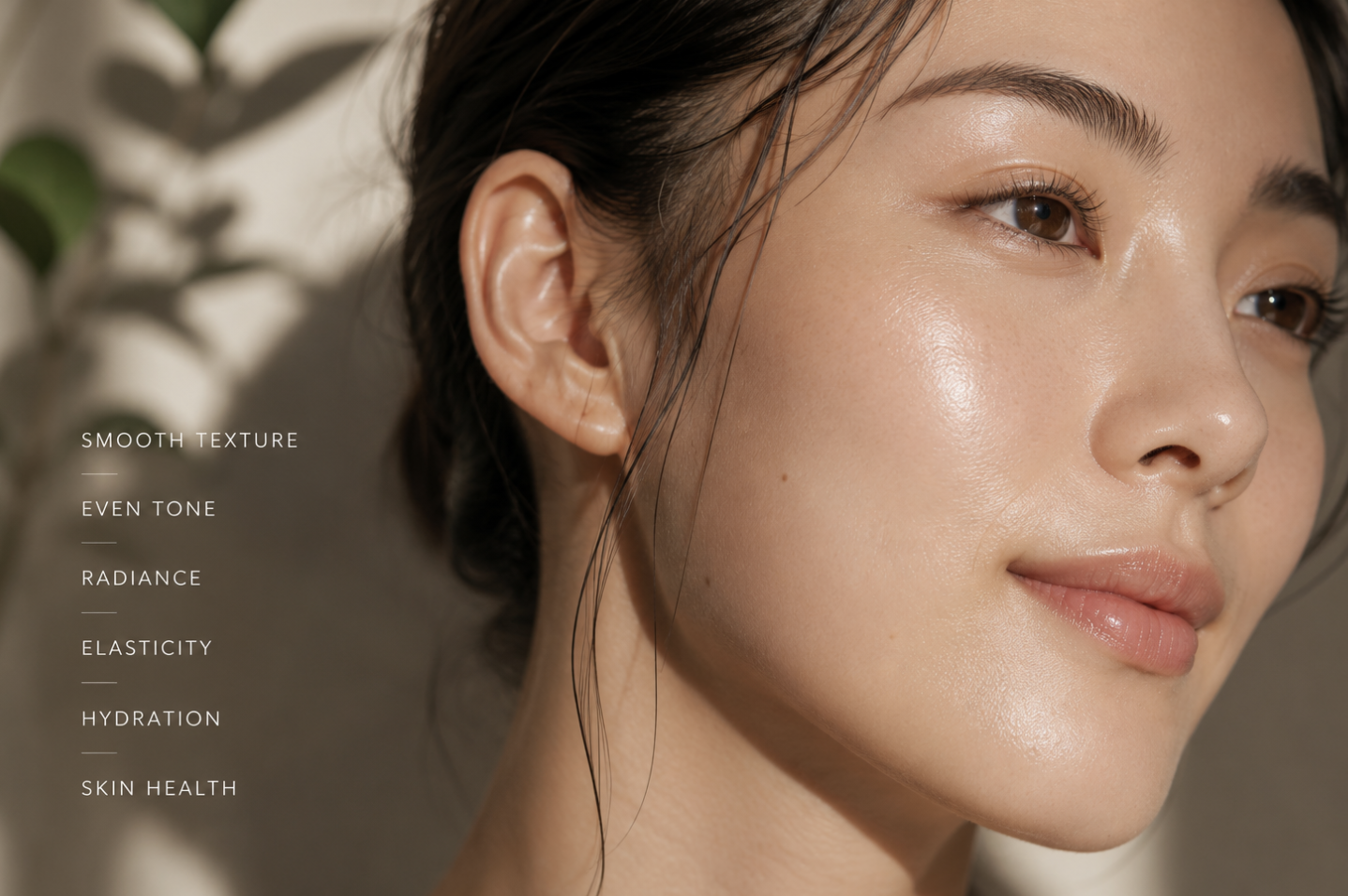
Patients are becoming increasingly interested in the relationship between nutrition, lifestyle, and skin health. Supplements designed to support collagen production, antioxidant protection, and overall wellness have become a growing area of interest within aesthetic medicine.
While certain ingredients have promising research, it’s important to recognize that not every supplement marketed for skin health has strong clinical evidence. Quality, formulation, and individual health factors all matter, making physician guidance especially valuable before beginning any supplement regimen.
Inside-out beauty works best when combined with evidence-based skincare, sun protection, and healthy lifestyle habits rather than replacing them.
Aesthetic Devices Are Finding New Applications
Energy-based devices have long been used for cosmetic concerns such as skin tightening, pigmentation, and wrinkle reduction. In 2026, some of these technologies are beginning to expand into rehabilitation and recovery.
Muscle stimulation devices, for example, are being explored not only for body contouring but also for improving muscle function, supporting recovery, and assisting rehabilitation in select patients. As technology advances, physicians continue to investigate how these devices may benefit both aesthetic and therapeutic care.
Although many of these applications are still emerging, they reflect a broader trend toward technologies that improve overall function as well as appearance.
Natural Results Remain the Goal
Perhaps the biggest shift isn’t a new treatment at all; it’s changing patient expectations.
Rather than requesting dramatic changes, today’s patients increasingly want subtle improvements that help them look refreshed without looking different.
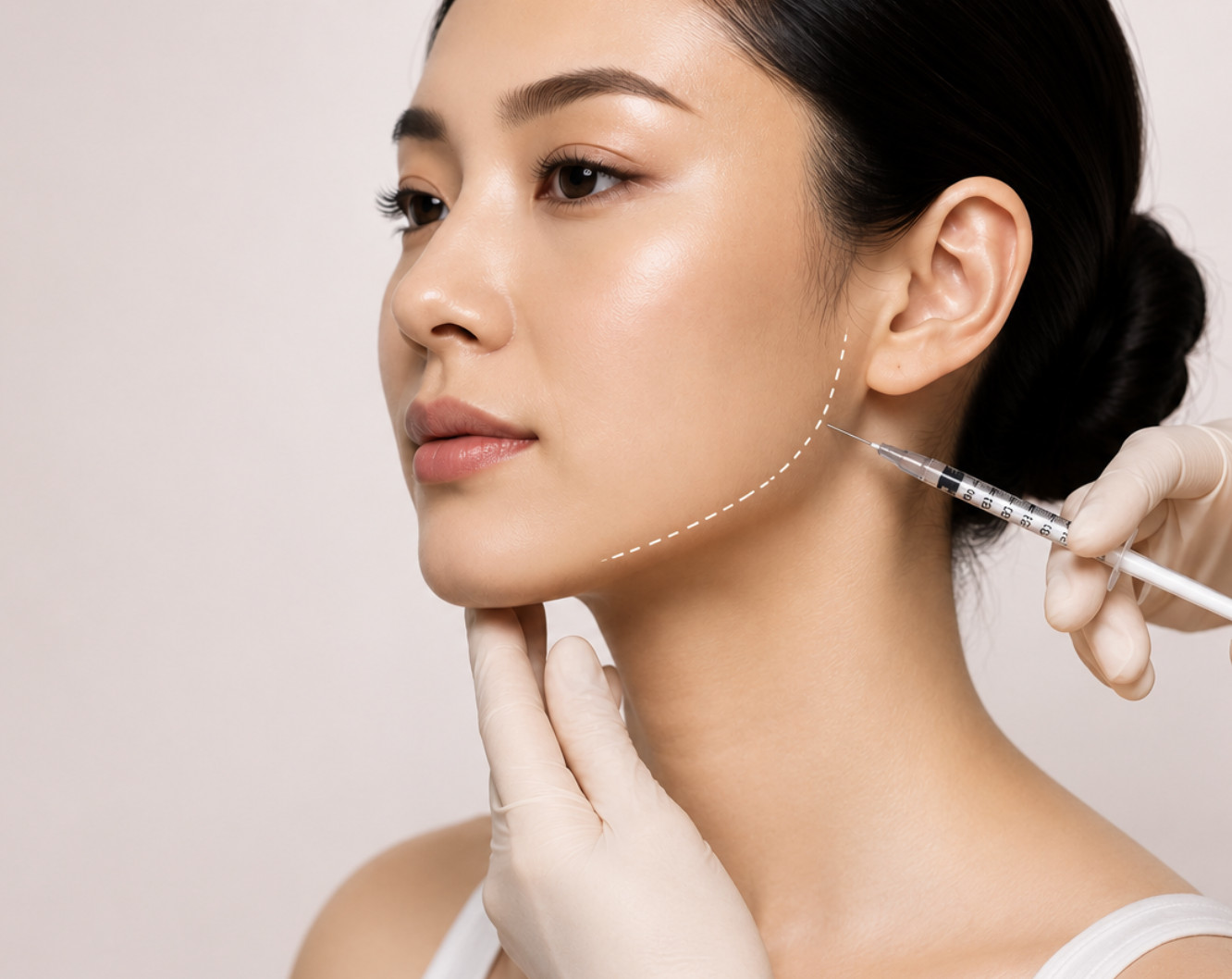
This philosophy, sometimes referred to as “tweakments,” emphasizes maintaining facial movement, improving skin quality, restoring collagen, and preserving natural facial proportions instead of creating an overfilled appearance.
For many patients, successful aesthetic treatment means friends noticing they look well-rested or healthier—not asking what procedure they had done.
Regenerative Treatments Continue to Expand
Regenerative aesthetics remains one of the fastest-growing areas of cosmetic dermatology.
Instead of simply replacing lost volume, newer treatments aim to stimulate the body’s own collagen and elastin production. Biostimulatory fillers, radiofrequency microneedling, ultrasound-based skin tightening, and collagen-inducing therapies are increasingly being combined to improve skin firmness, texture, and elasticity over time.
Emerging treatments such as exosomes and other regenerative technologies continue to generate excitement throughout the field. While early research is encouraging, many of these therapies are still being studied, and additional high-quality clinical trials are needed before they become standard treatment options.
Artificial Intelligence Is Personalizing Cosmetic Care
Artificial intelligence is beginning to play a larger role before treatment even starts.
AI-assisted facial analysis and imaging software can help physicians evaluate skin quality, assess subtle signs of aging, and improve treatment planning. Advanced visualization tools may also help patients better understand realistic treatment goals during consultations.
These technologies are designed to support—not replace—clinical expertise. Physician judgment remains essential when developing individualized treatment plans that account for anatomy, skin type, lifestyle, and long-term goals.
Looking Ahead
The future of aesthetic medicine isn’t about chasing the latest trend. It’s about delivering smarter, more personalized care that supports healthy aging from the inside out.
As regenerative treatments continue to mature, artificial intelligence improves treatment planning, and wellness becomes increasingly integrated into aesthetic care, patients can expect a more comprehensive approach to skin health than ever before.
The most successful treatments will continue to be those that enhance your natural features while prioritizing long-term skin quality, safety, and overall well-being.
—
Source: Inside-Out and Innovative: What’s Trending in Aesthetics for 2026