Fear of Overfilling as a Market Force: How It’s Reshaping the Injectables Industry
A Consumer Correction That Reshapes a Category
The injectable aesthetics market is in the middle of a significant consumer-driven correction.
The maximalist aesthetic that drove filler volume growth through the 2010s, including dramatic cheeks, oversized lips, and the smooth-everywhere look that became a social media archetype, is now being systematically rejected by a consumer base that has become more sophisticated about what injectable aesthetics can and cannot do.
Patients are more aware of the long-term consequences of overcorrection. They are more informed about filler migration, delayed swelling, facial distortion, and the way accumulated product can change facial proportions over time. They are also more vocal about the aesthetic they no longer want.
This is not a fringe consumer preference. It is a structural market shift with meaningful implications for every player in the injectable ecosystem: filler manufacturers, training organizations, aesthetic practices, medical device companies positioned in the biostimulator and skin-tightening space, and investors with exposure to the aesthetics category.
Quantifying the Shift
The clearest evidence of the fear of overfilling trend comes from multiple directions at once.
Consumer sentiment data from aesthetic and dermatology organizations has shown consistent growth in the share of patients reporting that natural-looking results are their primary aesthetic priority. That preference has moved from a vague consumer wish into a defining market expectation.
More directly, market data from major aesthetic practices shows a notable increase in hyaluronidase, or filler dissolving, procedures that are elective. These are patients requesting dissolution not because of an acute complication, but because they want to remove previously placed product, reduce heaviness, restore facial proportions, or start over with a cleaner baseline.
This reversal demand was relatively minimal five years ago. Today, it is a significant volume driver for many practices.
Social media content analytics show the same shift. Content categories around “filler migration,” “filler complications,” “dissolved my filler,” and “before and after dissolving” have grown substantially in engagement and posting frequency over the past 24 months. That growth reflects high consumer interest, anxiety, and education around accumulated filler.
The market signal is clear: consumers are not rejecting injectables entirely. They are rejecting injectables that look obvious.
Filler Volume Implications by Segment
Not all filler segments are affected equally by the fear of overfilling trend.
The most impacted segments are those most closely associated with the maximalist aesthetic. These include large-volume cheek enhancement, volumizing lip treatments in the 1 mL or greater range, and certain high-risk procedures such as non-surgical rhinoplasty, where consumer awareness of complications has increased significantly following public discussion of vascular risk and poor outcomes.
The segments growing within this environment are those aligned with natural restoration.
These include smaller-volume, targeted treatments for specific structural deficits, such as tear trough hollowing, temporal hollowing in post-weight-loss or GLP-1 patients, and marionette line support. They also include skin boosters and hydrofiller products that improve skin quality without obvious volume change, such as Juvéderm Volite, Restylane Skinboosters, and Profhilo in markets where available.
Combination approaches are also becoming more important. Instead of using filler as the primary intervention, many injectors are moving toward lower-volume filler combined with biostimulators, energy-based tightening, resurfacing, or regenerative approaches.
These segments represent the growth vector in the injectable market for the next 3 to 5 years.
The Biostimulator Opportunity
The fear of overfilling trend has created a direct opportunity for biostimulators.
Collagen-stimulating injectables, including Sculptra, which is poly-L-lactic acid, and Radiesse, which is calcium hydroxylapatite, are benefiting from patients who want improvement without the appearance of traditional filler.
These products produce gradual, diffuse collagen stimulation rather than immediate, obvious volume. The results are often described by patients and providers as more natural, more structural, and less likely to produce the “pillow face” aesthetic that patients are actively rejecting.
Sculptra and Radiesse are especially well positioned in this moment because they align with several current consumer preferences at once:
- Natural-looking results
- Gradual improvement
- Collagen stimulation
- Less obvious volume
- Better skin quality
- Longer-term maintenance
The biostimulator market, which was historically smaller than the hyaluronic acid filler market, is now in a structural growth phase. That growth is directly connected to consumer rejection of maximalist filler aesthetics.
For investors and brand partners, this category deserves close attention.
The Hyaluronidase and Reversal Market
The rise in filler reversal is one of the most important downstream effects of the overfilling correction.
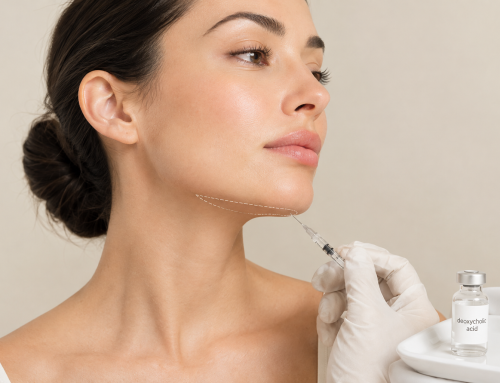
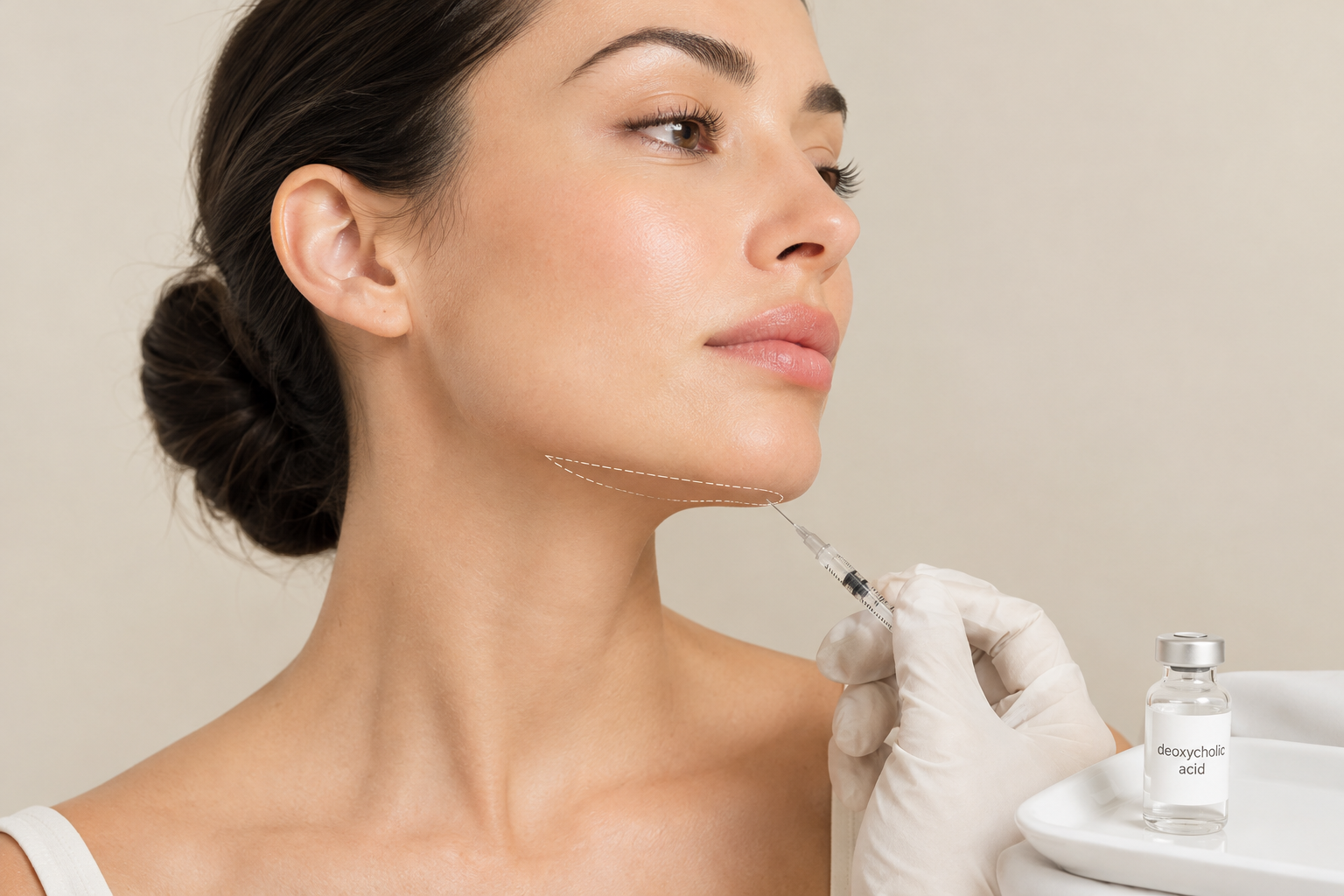
Hyaluronidase was once viewed primarily as a complication-management tool. It was used for vascular compromise, nodules, Tyndall effect, or incorrect placement. Increasingly, it is also being used as an aesthetic reset tool.
Patients are requesting dissolution because their lips feel too heavy, their midface looks overfilled, their under-eyes look puffy, or their face no longer feels like their own. Some are dissolving years of accumulated filler before starting a more conservative plan. Others are dissolving migrated filler before transitioning to biostimulators or skin-quality-focused treatments.
This creates a meaningful service category for aesthetic practices.
It also creates a trust opportunity. Practices that can safely dissolve filler, explain the process clearly, and guide patients through the emotional and aesthetic transition after dissolution are likely to build stronger long-term relationships with patients.
However, this market also requires caution. Hyaluronidase is not a simple cosmetic eraser. Dissolution can be unpredictable, may require multiple sessions, and can create temporary changes in facial appearance that patients need to be counseled about carefully.
Training Market Implications
The fear of overfilling trend is also reshaping the aesthetics training market.
Provider-level competency requirements are shifting. The market increasingly rewards injectors who can demonstrate expertise in conservative, anatomy-based injection techniques, hyaluronidase dissolution protocols, complication management, and the aesthetic judgment required for a “less is more” approach.
These skills are different from the high-volume, aggressive injection techniques that were rewarded in the previous aesthetic era.
Training programs that teach anatomy-first, safety-focused injection approaches are becoming more valuable. Programs that include robust dissolution training, ultrasound-guided assessment, vascular anatomy, and conservative treatment planning are especially well aligned with where the market is going.
By contrast, programs that teach high-volume filler techniques without meaningful safety, reversal, or complication content are facing increasing reputational risk.
For brands, the implication is clear: medical education and training investment should be oriented toward the competencies the market now rewards. Clinician-facing brand positioning built on safety, restraint, anatomy, and evidence-based technique is a meaningful differentiator.
What This Means for Filler Brands
The fear of overfilling trend does not mean the filler market is disappearing.
It means the market is becoming more selective, more sophisticated, and more segmented.
Filler brands will need to reposition away from volume maximization and toward precision, integration, tissue behavior, reversibility, and natural movement. The strongest messaging will not be about bigger cheeks or fuller lips. It will be about harmony, refinement, structure, and safety.
Product portfolios that include lower-G prime gels, skin boosters, flexible fillers, and products designed for subtle contouring may be better aligned with the next phase of demand than portfolios built mainly around high-volume correction.
Brands that acknowledge consumer anxiety around overfilling, rather than dismissing it, will be more credible. The winning message is not “you are wrong to be afraid.” It is “your concern is valid, and this is how we approach injectable treatment differently.”
What This Means for Aesthetic Practices
For aesthetic practices, the market shift creates both risk and opportunity.
Practices built around high-volume filler treatment plans may face declining patient trust. Patients are increasingly researching injector style, studying before-and-after photos carefully, and looking for providers who understand restraint.
Practices that can position themselves around natural results, ultrasound assessment, safe dissolving, biostimulators, skin tightening, and long-term facial planning are better aligned with current demand.
This also changes the consultation. The best injectors are no longer simply asking, “Where do you want filler?” They are asking:
- What bothers you most?
- What are you afraid of?
- Have you had filler before?
- Do you feel any areas look heavy or puffy?
- Are we restoring structure, improving skin quality, or correcting old product?
- Would dissolving be more appropriate than adding more?
That shift from product-first to diagnosis-first consultation is becoming a major competitive advantage.
The Investor Takeaway
For investors, the fear of overfilling trend should not be interpreted as a bearish signal for aesthetics overall. It is a rotation within the category.
Demand is moving away from obvious filler and toward natural restoration, collagen stimulation, skin quality, device-based tightening, and correction of prior overfilling.
That creates opportunities in:
- Biostimulators
- Skin boosters
- Hyaluronidase and reversal services
- Ultrasound-guided injection and assessment
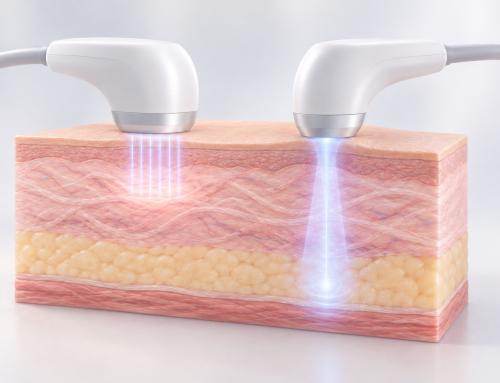
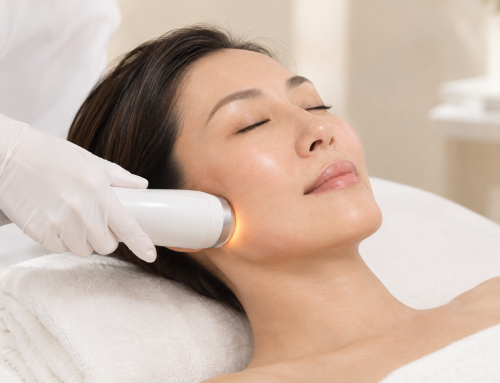
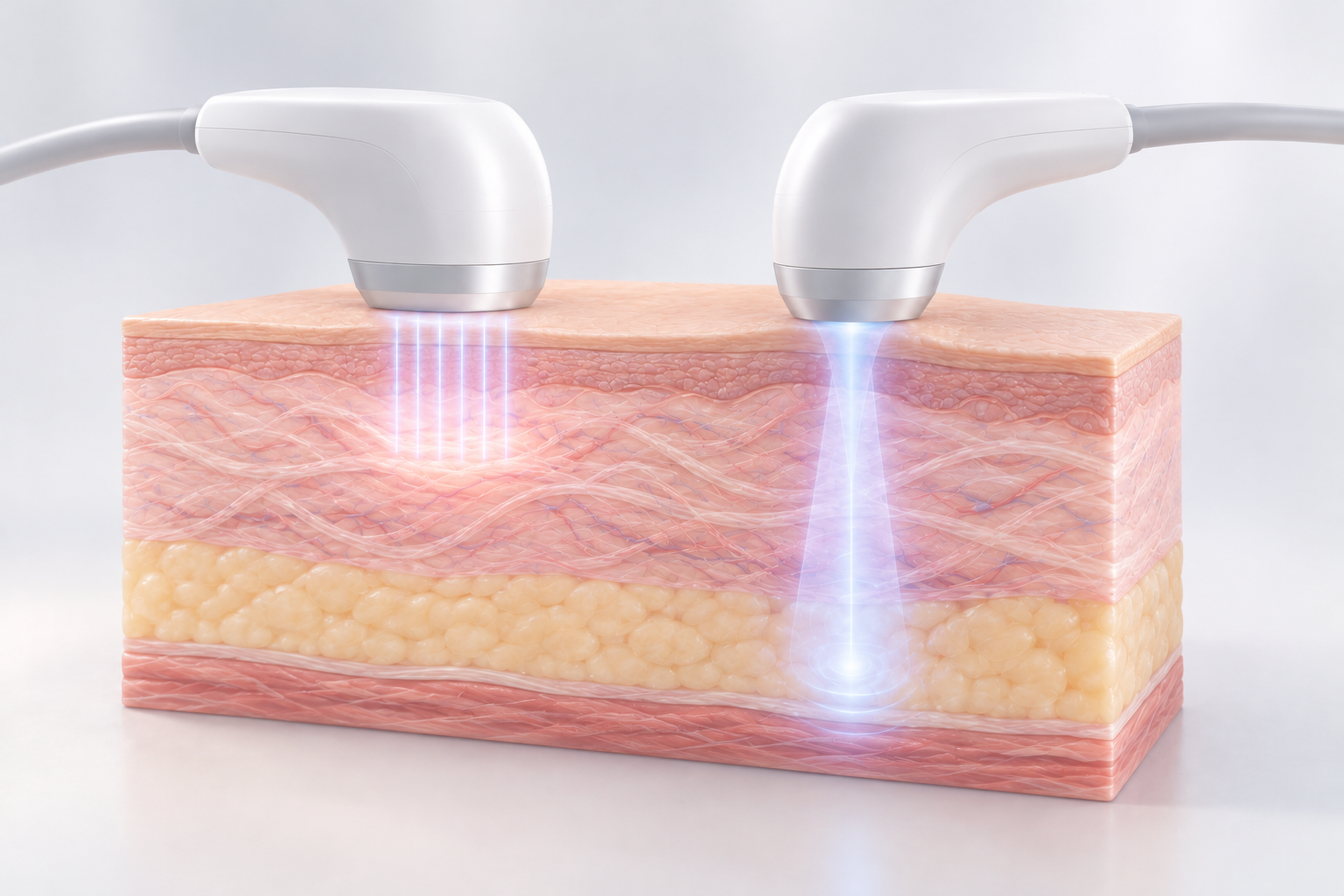
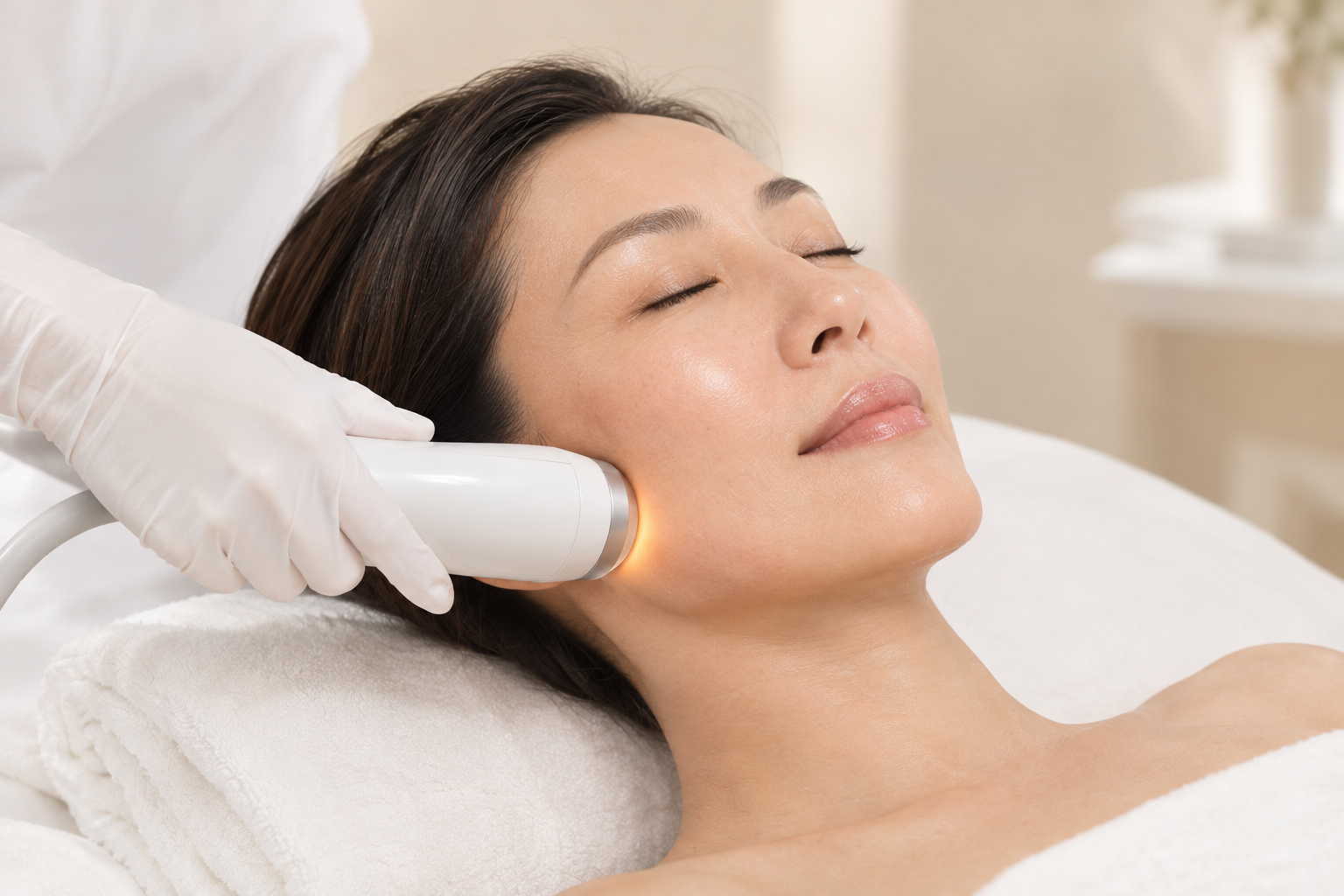
- Energy-based skin tightening
- Advanced injector training
- Natural-result aesthetic practices
- Combination treatment platforms
The market is not shrinking. It is becoming more discerning.
Bottom Line
Fear of overfilling is now a market force. It is reshaping patient demand, injector training, filler brand positioning, hyaluronidase usage, and the growth trajectory of biostimulators and skin-tightening devices.
Patients are not rejecting aesthetic medicine. They are rejecting obvious, excessive, poorly planned aesthetic medicine.
The next phase of the injectable market will be defined by restraint, safety, anatomy, reversibility, collagen stimulation, and natural-looking results. The brands, practices, and investors that understand this shift will be best positioned for the future of the aesthetics industry.
Updated June 2026