
CO2 Laser Resurfacing in NYC: What It Treats and What Recovery Looks Like
Medically reviewed by Jane Yoo, MD, board-certified dermatologist and Mohs surgeon.
The short answer: fractional CO2 laser resurfacing is one of the most powerful tools for improving deeper wrinkles, scars and sun-damaged skin. It removes tiny columns of skin and triggers strong collagen renewal. The trade-off is real downtime, about one to two weeks of visible healing, so it suits people who are ready for a committed recovery.
How CO2 laser works
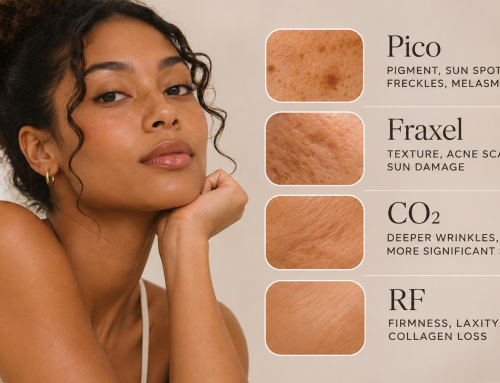
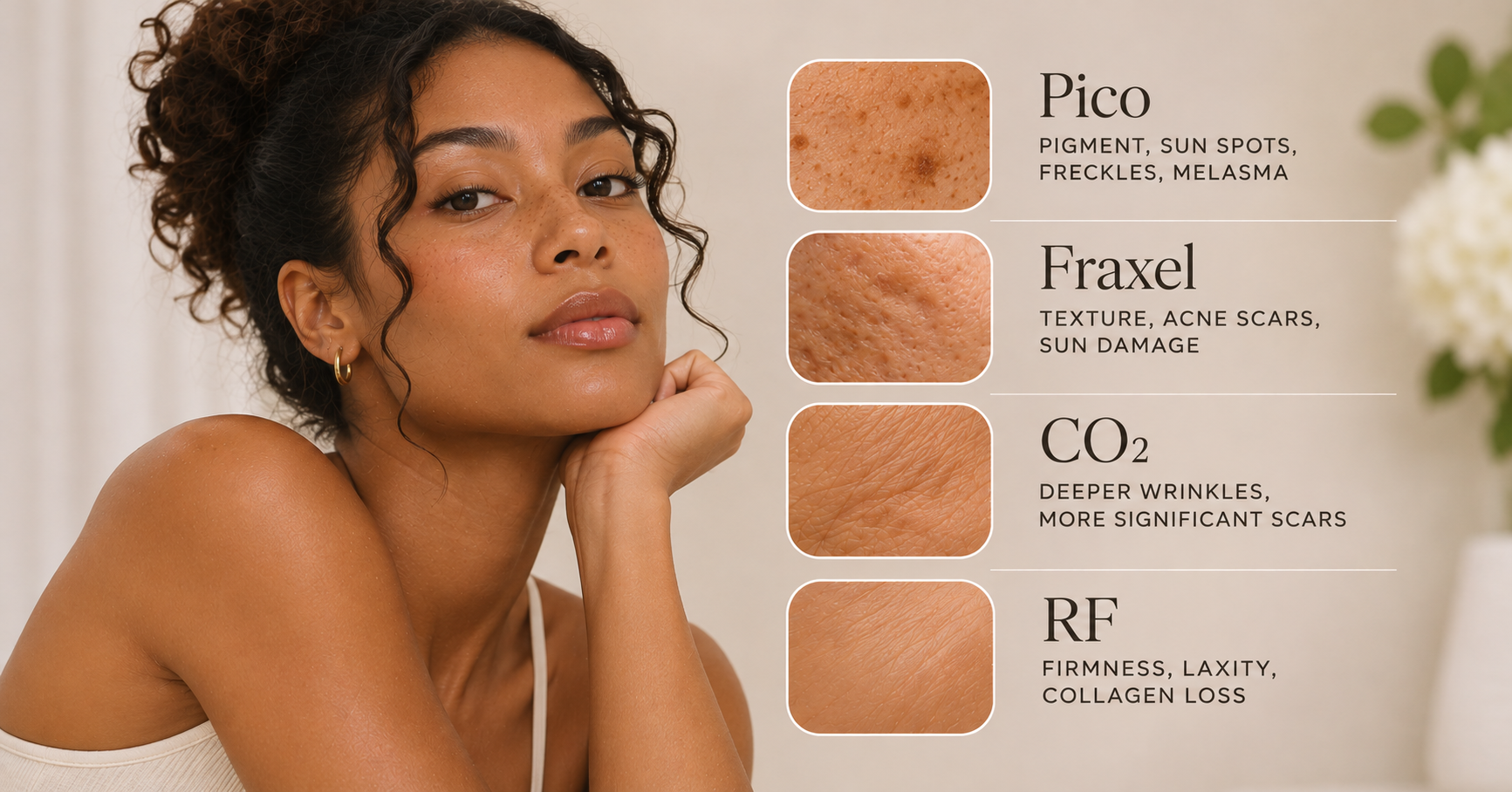
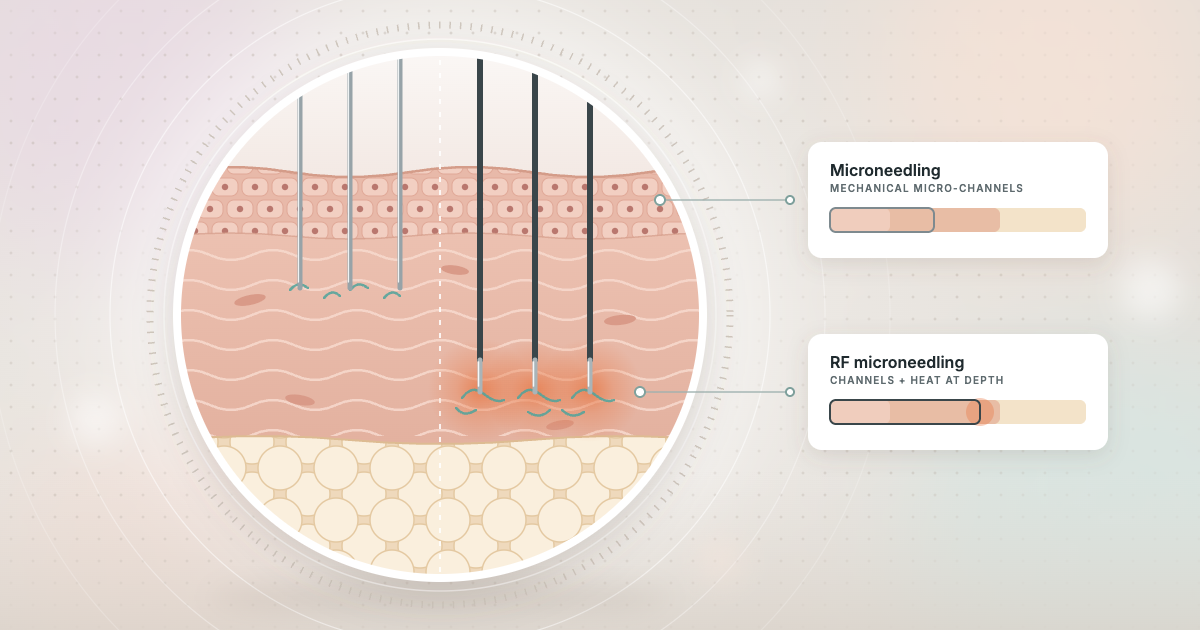
A CO2 laser uses a wavelength of light that is absorbed by water in the skin. In fractional mode, it creates thousands of microscopic channels, removing small columns of skin and leaving untreated skin in between. Your body heals the channels with fresh skin and new collagen. Because it removes tissue rather than only heating it, CO2 is considered ablative, and it produces a stronger effect than non-ablative lasers such as Fraxel.
What it treats
- Deeper wrinkles, such as around the mouth and eyes
- Acne scars, including some deeper scars
- Sun damage and rough, uneven texture
- Some surgical and traumatic scars
- Enlarged pores and overall skin quality
Who is a good candidate
- You want a significant change in one treatment, or in a short series, and can plan for recovery.
- Your concern is texture, scars or lines that lighter lasers have not fully addressed.
- Your skin is not tanned and you can strictly avoid the sun while healing.
Who should think twice
- Deep skin tones, who have a higher risk of darkening or lightening after resurfacing. It is not always off-limits, but it needs careful selection and conservative settings.
- Recent isotretinoin use. Tell me about every medication.
- Active infection, or an active cold sore outbreak.
- A tendency to keloid or abnormal scarring.
- Unrealistic expectations or inability to follow aftercare.
A realistic recovery timeline
Everyone heals differently and recovery depends on treatment depth. This is a typical pattern:
| When | What you may see and feel |
|---|---|
| Day of treatment | Swelling, redness, a hot, sunburn-like feeling |
| Days 1 to 3 | Swelling, oozing, tightness; ointment keeps skin moist |
| Days 3 to 7 | Crusting and peeling as new skin forms |
| Days 7 to 14 | Peeling finishes; skin is pink and sensitive; makeup may be possible |
| Weeks 2 to 8 | Pinkness fades gradually; collagen continues to build |
| Months 3 to 6 | Texture and firmness continue to improve |
Most people feel comfortable going out in public after the crusting settles, around the one to two week mark.
Aftercare that matters
- Follow the wound-care routine I give you exactly. Keeping skin moist and protected supports healing.
- Do not pick or peel crusts.
- Avoid sun completely, then use SPF 50 with iron oxides daily; see my sunscreen guide.
- Sleep with your head elevated for the first few nights to reduce swelling.
- Call me promptly if you notice increasing pain, pus, spreading redness or new blisters. These can signal infection.
Risks to know about
Common, temporary effects include redness, swelling, oozing, crusting and sensitivity. Less common risks include infection (including a cold sore flare, which is why preventive medication may be recommended if you are prone), prolonged redness, and changes in pigment. Scarring is uncommon but possible. Choosing an experienced physician and following aftercare reduces these risks.
CO2 vs Fraxel
| Fraxel Dual | CO2 | |
|---|---|---|
| Approach | Non-ablative, heats columns of skin | Ablative, removes columns of skin |
| Downtime | About a week | One to two weeks |
| Strength | Moderate | Strong |
| Sessions | Usually a series | Often fewer sessions |
| Best for | Sun damage, mild to moderate texture | Deeper lines and scars |
Frequently asked questions
How long does CO2 laser last? Collagen remodeling is long-lasting, but your skin keeps aging, so results are best protected with sunscreen and good skincare.
Does CO2 laser hurt? Numbing is used, and most patients tolerate treatment well. Healing feels like a sunburn.
Can CO2 laser treat acne scars? It can improve many types, especially deeper scars, usually over more than one visit.
When can I wear makeup? Typically after crusting resolves, which I will confirm at your follow-up.
Is CO2 laser safe for dark skin? It carries higher risk of pigment change, so selection and settings matter. I assess this at your consultation.
Thinking about CO2 resurfacing? Book a consultation at my Midtown Manhattan practice at 162 West 56th Street.



Leave A Comment