
K-Beauty vs. Western Skincare: What Is Actually Different
Medically reviewed by Jane Yoo, MD, MPP, dermatologist and Mohs surgeon. Last reviewed 11/04/2026.
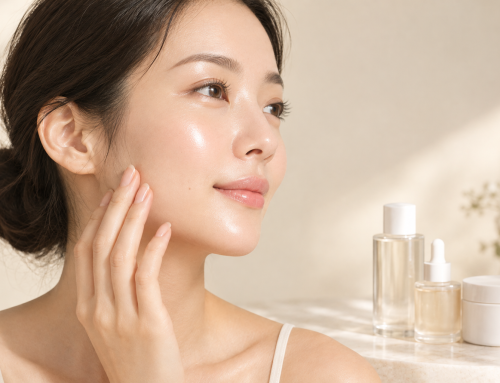
The short answer: K-beauty emphasizes gentle, layered routines focused on hydration, barrier care and daily sun protection, with prevention treated as the goal. Western skincare often leads with active ingredients aimed at treating specific concerns. Neither is better. The most useful ideas from K-beauty are consistency, gentleness and sunscreen. The least useful are long routines and trend-driven ingredients without evidence.
The philosophy gap
- K-beauty: prevention, hydration, and a smooth, luminous finish. Routines tend to be gentle and gradual.
- Western skincare: correction, with active ingredients such as retinoids, vitamin C and acids targeted at specific problems.
In practice, brands in both markets now borrow from each other.
The famous 10-step routine
The long routine was a marketing story as much as a clinical one. Most skin does well with a short routine: a gentle cleanser, a moisturizer, daily sunscreen, and one or two actives matched to your goals. More steps mean more chances to irritate your skin.
Ingredients worth knowing
| Ingredient | What it does | Notes |
|---|---|---|
| Centella asiatica (cica) | Soothing, supports the barrier | Popular in sensitive-skin products. Evidence is promising but modest |
| Snail mucin | Hydrating, texture-improving | Avoid if you have a mollusc allergy |
| Niacinamide | Supports barrier, helps tone and oil | Well studied. Common in both markets |
| Ceramides | Barrier repair | Well established |
| Fermented ingredients | Marketed for brightening and soothing | Evidence varies by ingredient |
| Rice and licorice extracts | Brightening claims | Modest evidence. Look at the whole formula |
| Propolis | Soothing and calming claims | Can cause allergy in people sensitive to bee products |
Sunscreen is where K-beauty leads
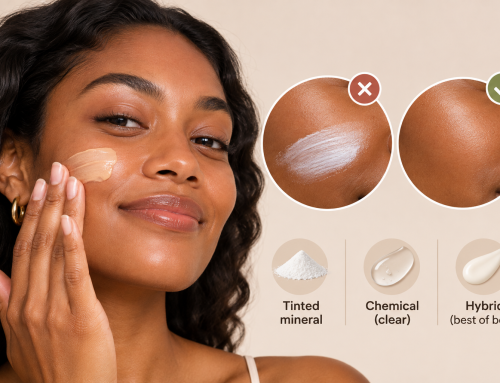
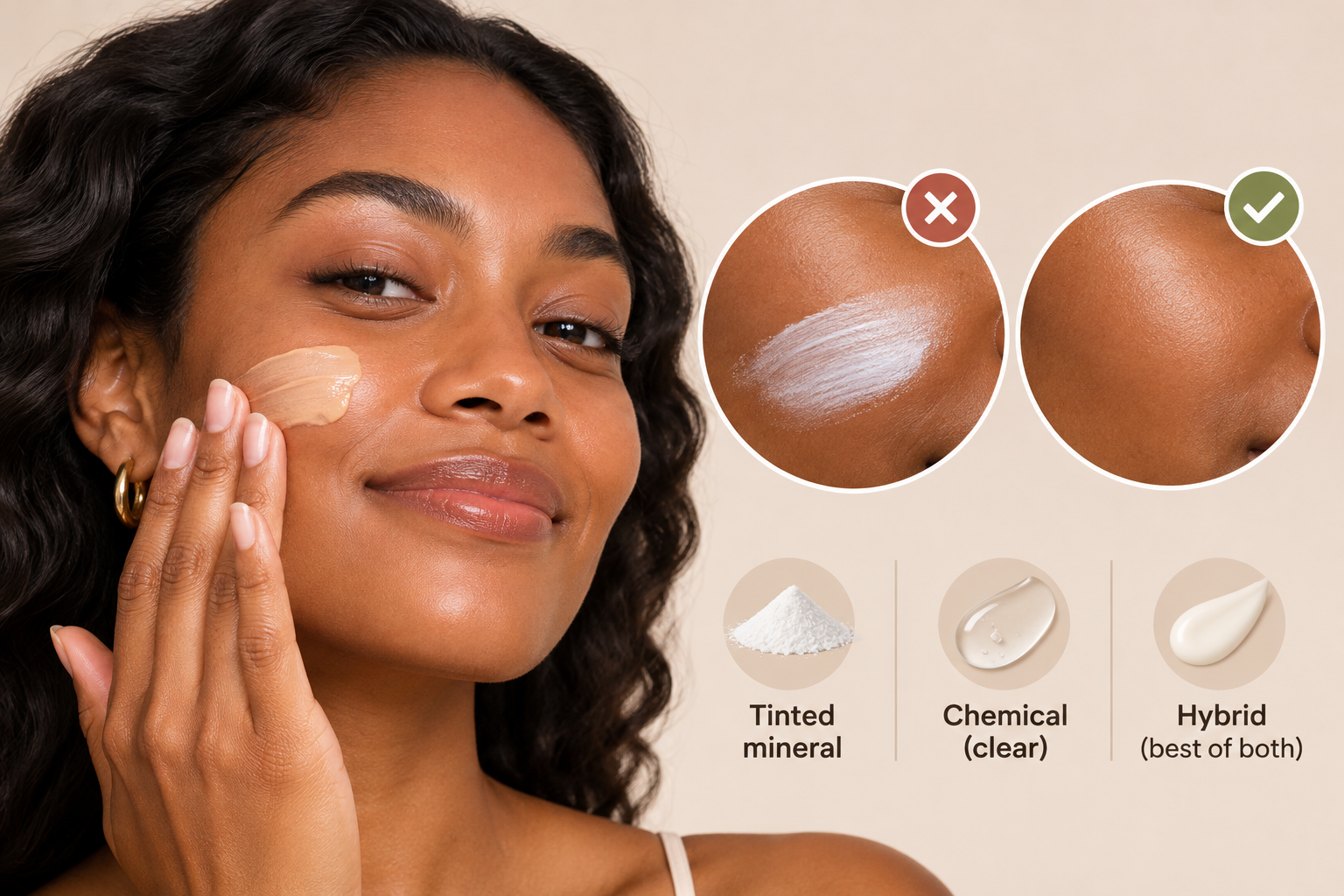
Korean sunscreens are famous for light textures that people actually enjoy wearing. That matters, because daily use is what protects skin.
Where K-beauty and Western skincare meet
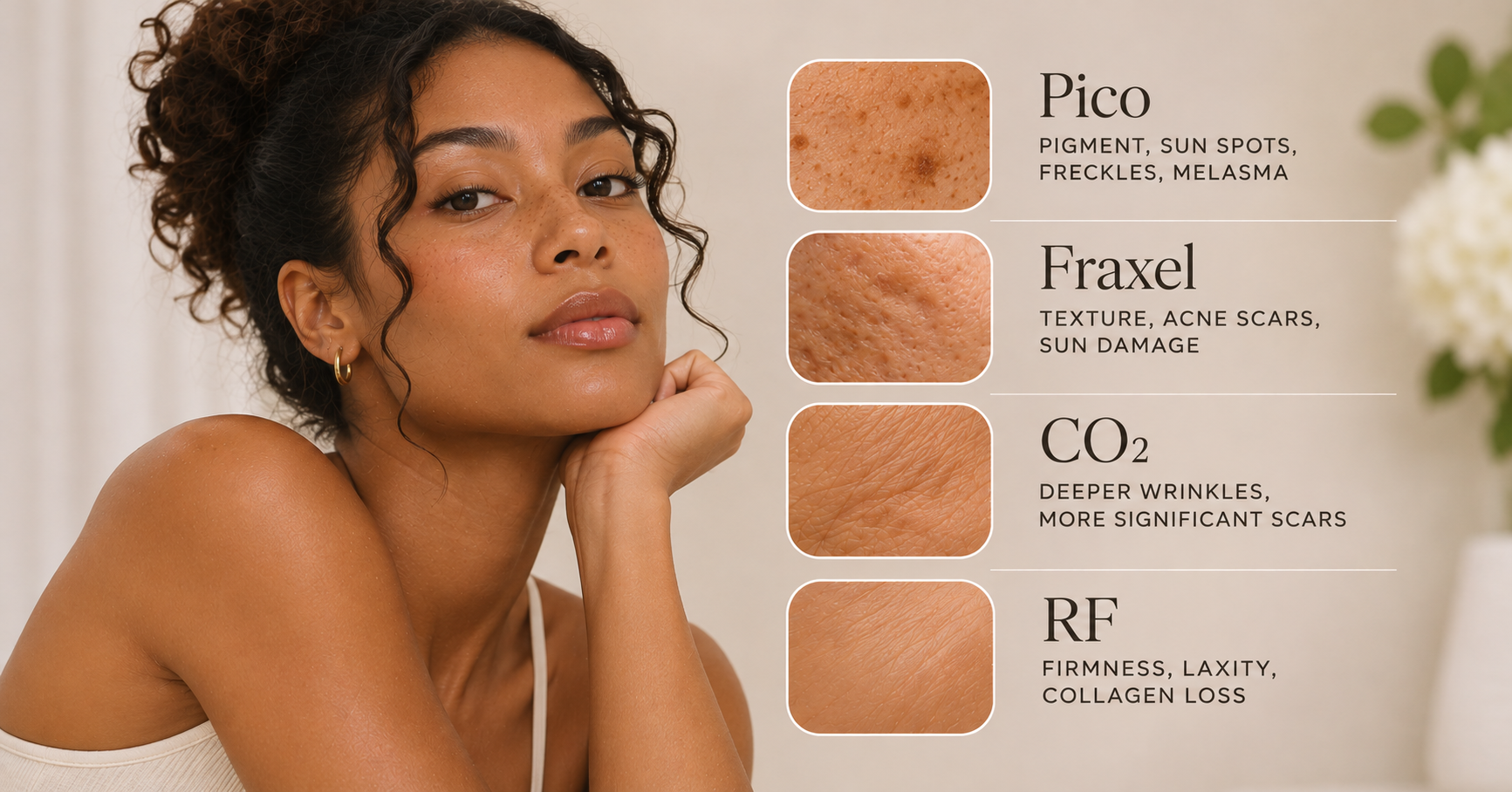
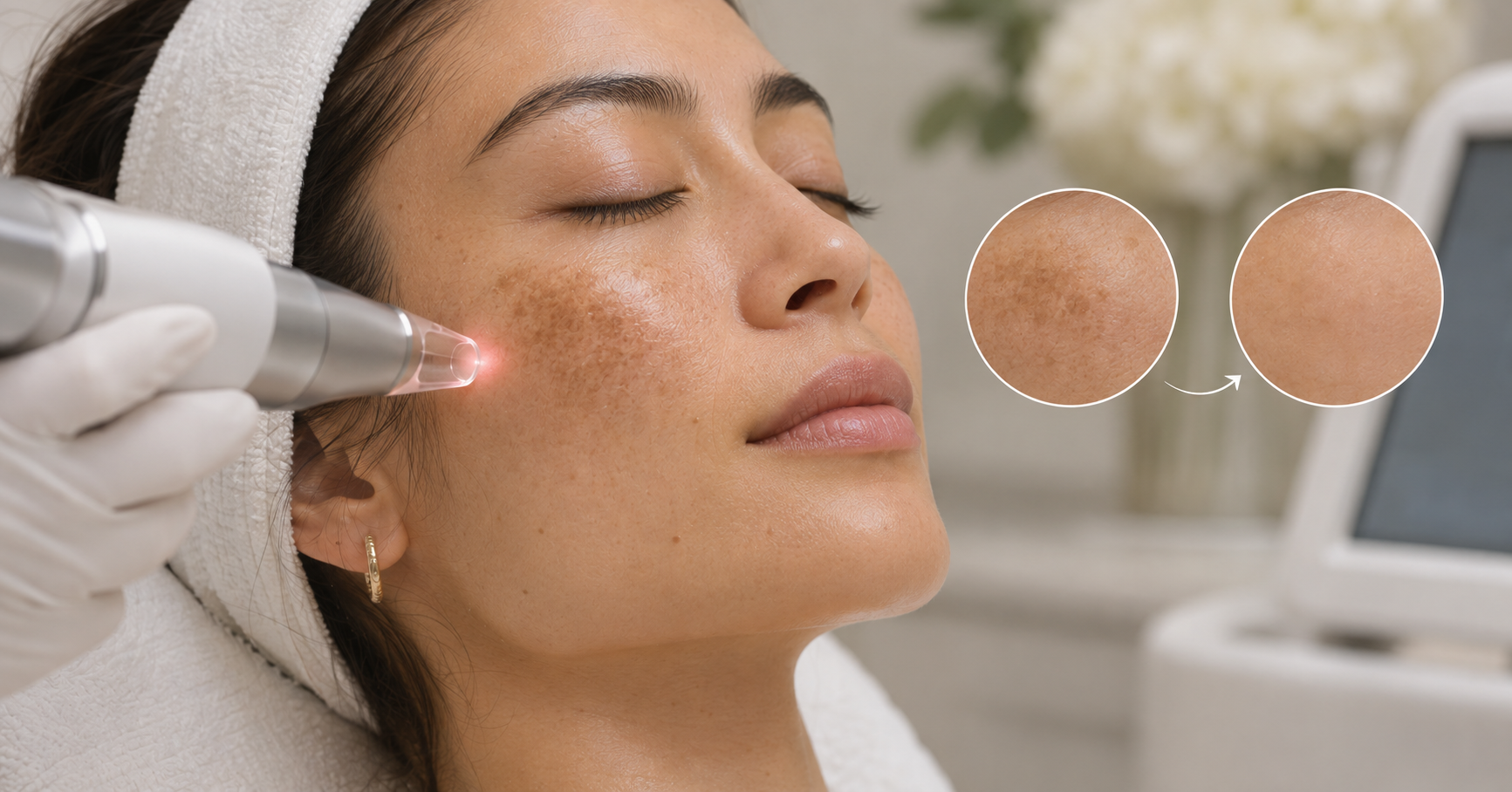
Both agree on the basics: sunscreen every day, a barrier-supporting moisturizer, and patience. If you want stronger results for acne, melasma, aging or texture, medical-grade treatments and prescription products go beyond what either skincare tradition can do alone.
Who should be careful
- People with eczema, rosacea or very reactive skin should introduce one product at a time
- People with allergies to bee products or mollusc-derived ingredients should read labels
- Anyone using prescription retinoids should check before stacking multiple actives
- Layering many exfoliating products can damage the barrier
A simple routine you can borrow
- Morning: gentle cleanser, hydrating or barrier-supporting serum or moisturizer, sunscreen
- Evening: cleanse (double cleanse if you wear sunscreen or makeup), moisturizer, and an active if your skin tolerates it
- Introduce new products one at a time, two weeks apart
Frequently asked questions
Is K-beauty better for sensitive skin? The gentle philosophy suits many sensitive-skin people, but ingredients matter more than origin. Patch test.
Do I need a 10-step routine? No.
Are Korean sunscreens FDA-approved? Sunscreens made for the Korean market are not reviewed by the FDA. Products sold in the U.S. by Korean brands may be formulated to U.S. rules. Check the label.
Can K-beauty replace dermatology treatment? Skincare can support healthy skin. It does not replace treatment for acne, melasma, rosacea, or skin cancer.
Call to action: Book a consultation for a skincare plan built for your skin.



Leave A Comment