
Sunscreen for Skin of Color: How to Avoid the White Cast
Sunscreen for Skin of Color: How to Avoid the White Cast
Medically reviewed by Jane Yoo, MD, MPP, dermatologist and Mohs surgeon. Last reviewed 11/04/2026.
The short answer: A white cast comes mostly from mineral filters (zinc oxide and titanium dioxide) that sit on top of the skin and reflect light. You can avoid it by choosing a tinted mineral formula that matches your tone, or a modern chemical or hybrid sunscreen that goes on clear. The best sunscreen is the one you will wear every day, so look for broad-spectrum SPF 30 or higher with a finish you like.
Everyone needs sunscreen
Deeper skin tones have more natural melanin, which gives some protection from sunburn. It does not give complete protection. UV still causes dark spots, uneven tone and skin cancer. Melasma and post-inflammatory hyperpigmentation are triggered or worsened by sun, so daily sunscreen is one of the most important things you can do.
Why white cast happens
Mineral filters are particles. When they are larger or not well dispersed, they scatter visible light, and that shows up as a gray or ashy film on deeper skin. Tinted formulas add iron oxides, which cancel the cast and also help block visible light.
Your options
| Type | How it works | White cast risk | Good to know |
|---|---|---|---|
| Tinted mineral | Zinc oxide and/or titanium dioxide, plus iron oxides | Low if the shade matches | Iron oxides help with visible-light pigmentation. Shade range varies a lot by brand |
| Sheer or micronized mineral | Smaller particles for a more transparent finish | Moderate | Often needs rubbing in. Check the shade on your skin |
| Chemical (organic filter) | Absorbs UV and converts it to heat | None | Some people with sensitive skin or melasma prefer to avoid them. Individual tolerance varies |
| Hybrid | A mix of both | Low | A common middle ground |
What to look for on the label
- Broad-spectrum protection
- SPF 30 or higher
- Water resistance if you sweat or swim
- A tinted shade that suits you (try it on your jawline in daylight)
- A finish you like: matte, dewy or sheer
- Fragrance-free if your skin is reactive
How to apply it so it works and looks good
- Use a generous amount. Most people under-apply.
- Apply to clean, dry skin as the last step of your skincare, before makeup.
- Apply to ears, neck and the back of the hands.
- Reapply every two hours outdoors, and after sweating or swimming.
- If a tint is too light, layer it over a moisturizer rather than adding a second sunscreen over it.
Sunscreen and makeup
Tinted sunscreen can replace foundation on casual days. Under makeup, let it settle before applying. Powder or setting sprays with SPF help midday touch-ups but do not replace the main layer.
A note on newer filters
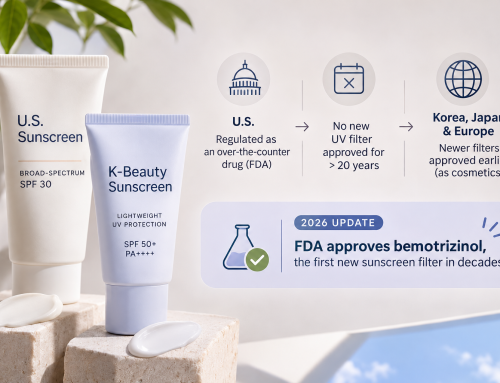
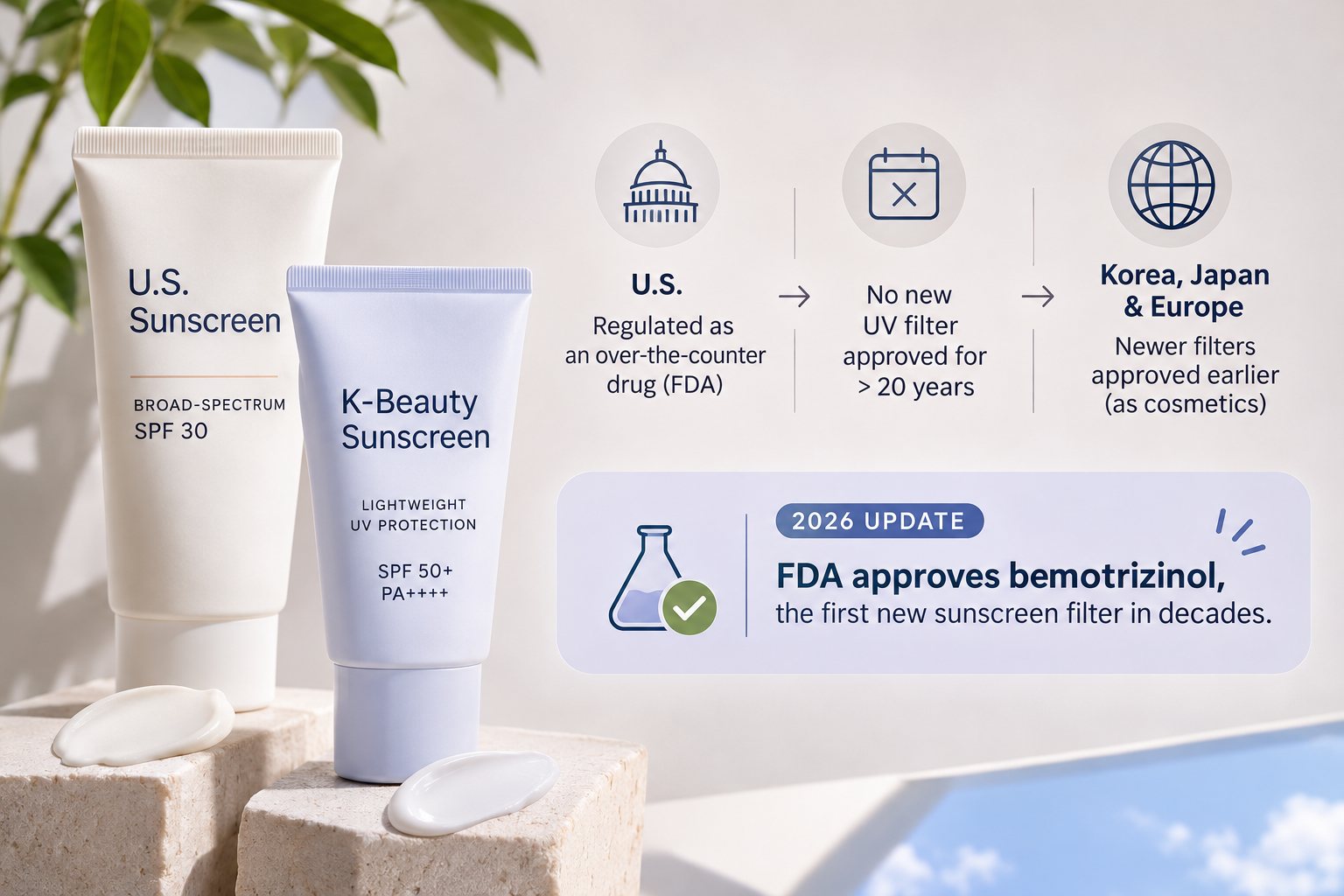
Some sunscreen filters used in Europe and Asia produce more elegant, invisible formulas. A new filter, bemotrizinol, was approved by the FDA in 2026, which should expand U.S. options over time.
Frequently asked questions
Can people with dark skin get sunburned? Yes. It may be harder to see, but burns and UV damage can still occur.
Is mineral sunscreen always better for sensitive skin? Not always. Many people with sensitive skin tolerate mineral formulas well, but some prefer chemical or hybrid. Choose by how your skin responds.
Does sunscreen cause vitamin D deficiency? Everyday sunscreen use has not been shown to cause deficiency in most people.
Do I need sunscreen indoors? If you sit near windows or have melasma, yes. Visible light and UVA pass through glass.
Call to action: Book a visit for a personalized sun protection plan, especially if you have melasma or dark spots.





Leave A Comment