Why U.S. Sunscreens Lagged Behind Korean Ones, and What Is Changing
Medically reviewed by Jane Yoo, MD, MPP, dermatologist and Mohs surgeon. Last reviewed 11/04/2026.
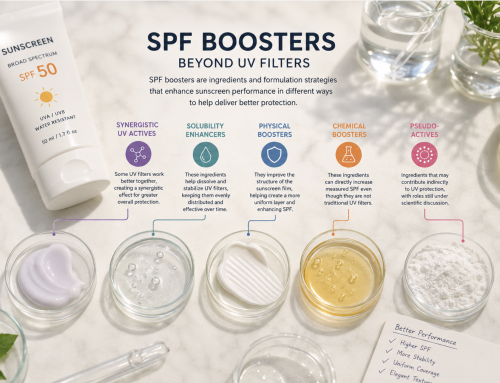
The short answer: In the U.S., sunscreens are regulated as over-the-counter drugs, and the FDA had not approved a new UV filter in more than 20 years. Many Korean, Japanese and European sunscreens use newer filters that are lighter and more broadly protective. In 2026 the FDA issued a final order allowing bemotrizinol, the first new sunscreen filter in the U.S. in decades, so American options should begin to improve.
Why American sunscreens felt dated
Sunscreen filters in the U.S. go through the FDA’s drug approval process. New ingredients require extensive safety data and lengthy reviews. The 2014 Sunscreen Innovation Act aimed to speed up approvals but did not initially result in new filters entering the market. Meanwhile, countries like South Korea and France regulate sunscreens as cosmetics, allowing brands to use newer UV filters. This helps explain why Korean and European sunscreens often feel lighter and more comfortable than traditional American formulas.
What changed
- November 2025: Sunscreen reform provisions associated with the SAFE Sunscreen Standards Act became law as part of legislation reauthorizing the FDA’s over-the-counter drug review program. The changes aim to modernize reviews of sunscreen ingredients by allowing consideration of real-world evidence and alternatives to animal testing.
- June 2026: The FDA announced a final order for bemotrizinol, with an effective date of August 9, 2026. It can be used at up to 6 percent and in products for ages six months and up.
Bemotrizinol is a filter that protects across UVB and much of UVA, is photostable, and tends to feel light on skin. It has been used in other countries for years.
What this means for you
Not much changes overnight. Brands need time to reformulate and launch. Over the next year or two, expect to see products with bemotrizinol appear on U.S. shelves. Until then:
- Choose broad-spectrum SPF 30 or higher
- Choose a finish that you will wear daily
- Check that the product is sold by a legitimate retailer if you buy imported sunscreens. Products made for other markets are not FDA-reviewed, and labels may differ
Are Korean sunscreens better?
Many Korean sunscreens are more pleasant to wear, which means people use them more consistently. Protection depends on the filters, the testing, and how much you apply. A sunscreen is only as good as the amount you put on.
How to pick a sunscreen now
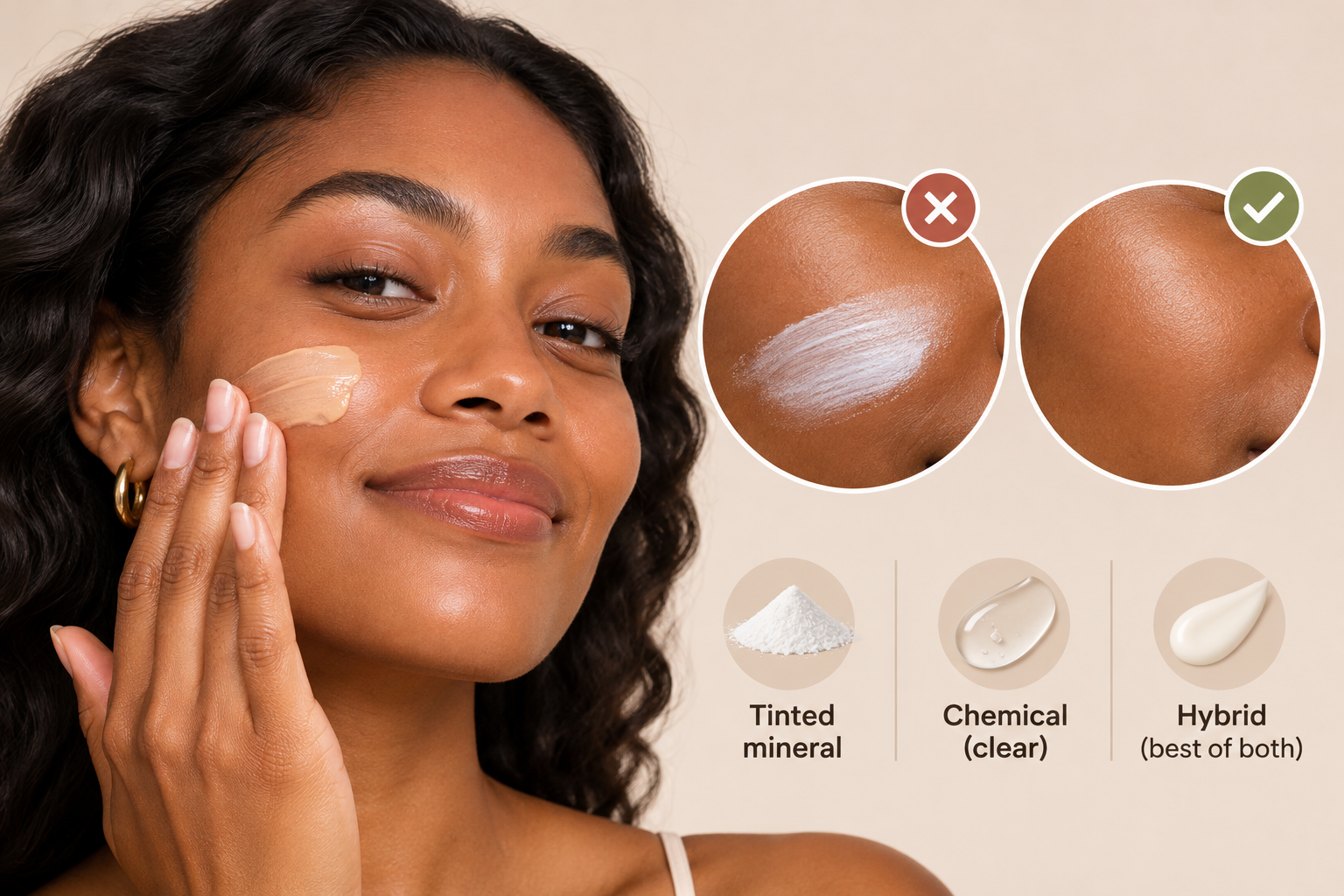
- Decide what bothers you most: white cast, greasiness, stinging near the eyes, or breakouts.
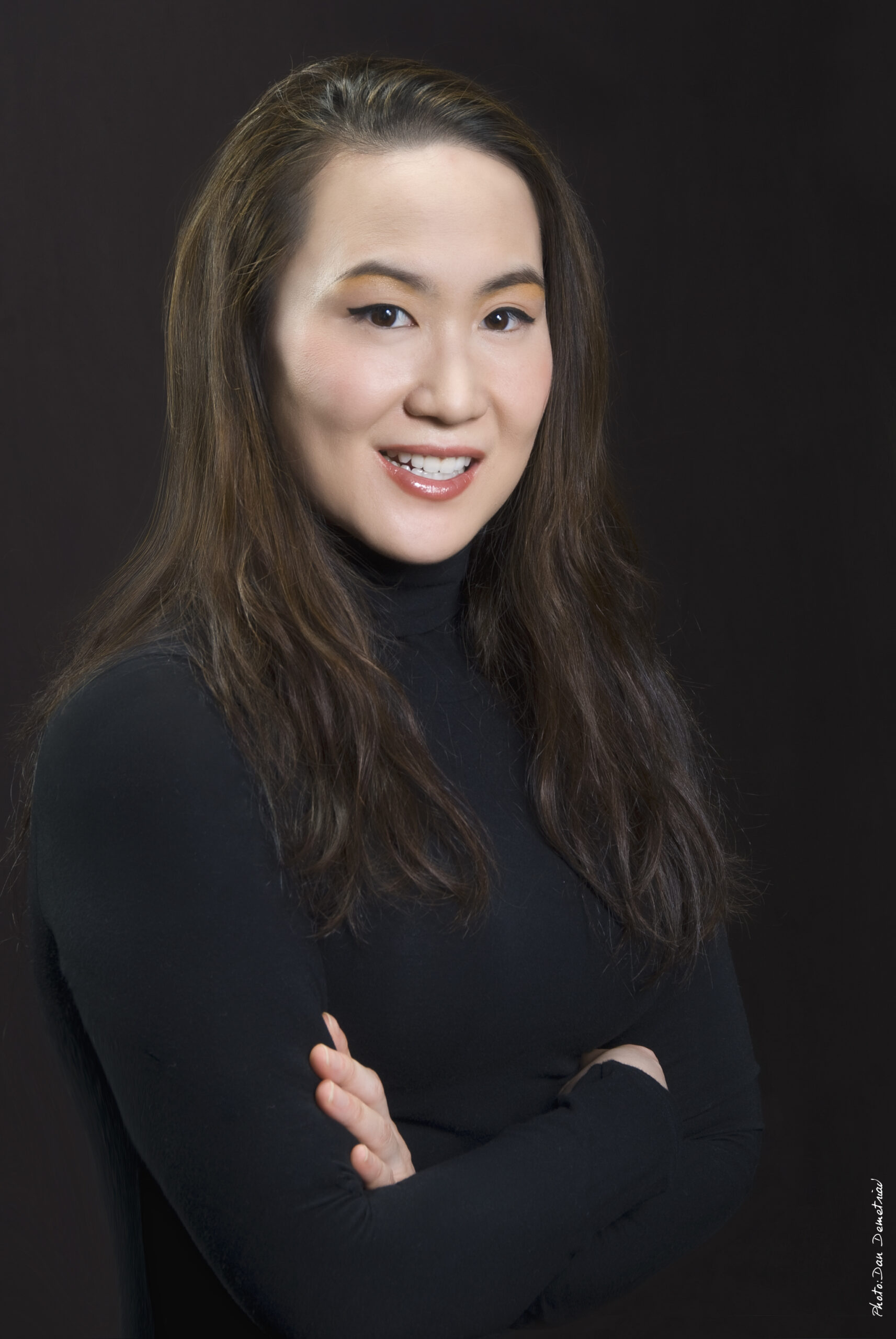
- Match the type to the problem (see the post on sunscreen for skin of color).
- Try it for a week on your face before buying a large size.
- If you have melasma, choose a tinted option. See the melasma sunscreen guide.
Frequently asked questions
What is bemotrizinol? A UV filter that protects against UVB and much of UVA and has been used in other regions for years. The FDA approved it for U.S. sunscreens in 2026.
When will I be able to buy sunscreens with it? Brands decide when to launch. Check ingredient lists for bemotrizinol, sometimes listed under its INCI name, bis-ethylhexyloxyphenol methoxyphenyl triazine.
Are imported sunscreens safe? Many are well made, but they are not reviewed by the FDA for the U.S. market, and claims on the label may differ.
Is the new filter safe for children? Yes. The FDA considers bemotrizinol safe and effective for use in sunscreens for adults and children ages six months and older, when used according to the approved conditions.
Call to action: Not sure which sunscreen suits your skin? Book a visit.


Leave A Comment