If persistent redness, broken blood vessels, or rosacea have you searching for real solutions beyond makeup and topical creams, VBeam Pulsed Dye Laser, or PDL, is considered a gold-standard laser treatment for these concerns. It is specifically designed to target blood vessels and excess pigment without damaging the surrounding skin, and it is one of the more versatile lasers used in dermatology today.
How PDL Works
VBeam uses pulsed dye laser technology to deliver a brief, intense burst of light into targeted areas of skin.
That light is absorbed primarily by blood vessels or areas with excess pigment. The laser energy converts to heat, damaging the targeted vessels or pigment while minimizing injury to the surrounding skin.
Over time, this can lead to reduced redness, fading of visible blood vessels, and a more even skin tone.
What VBeam PDL Can Treat
Vascular Lesions
This is where PDL excels. It is commonly used for conditions involving abnormal or dilated blood vessels near the skin’s surface, including:
- Rosacea
- Spider veins
- Port-wine stains
- Broken capillaries
- Facial redness
Pigmentation Concerns
PDL may also be used for certain pigment-related concerns, although other lasers may be better suited depending on the type and depth of pigmentation.
Potential uses include:
- Hyperpigmentation
- Age spots
- Sunspots
- Freckles
Scars and Stretch Marks
PDL may help improve the appearance of certain scars and stretch marks, particularly when redness or visible blood vessels are present.
By targeting vascular components within the scar, treatment may help create a smoother and more even-toned appearance.
Post-Injection Bruising
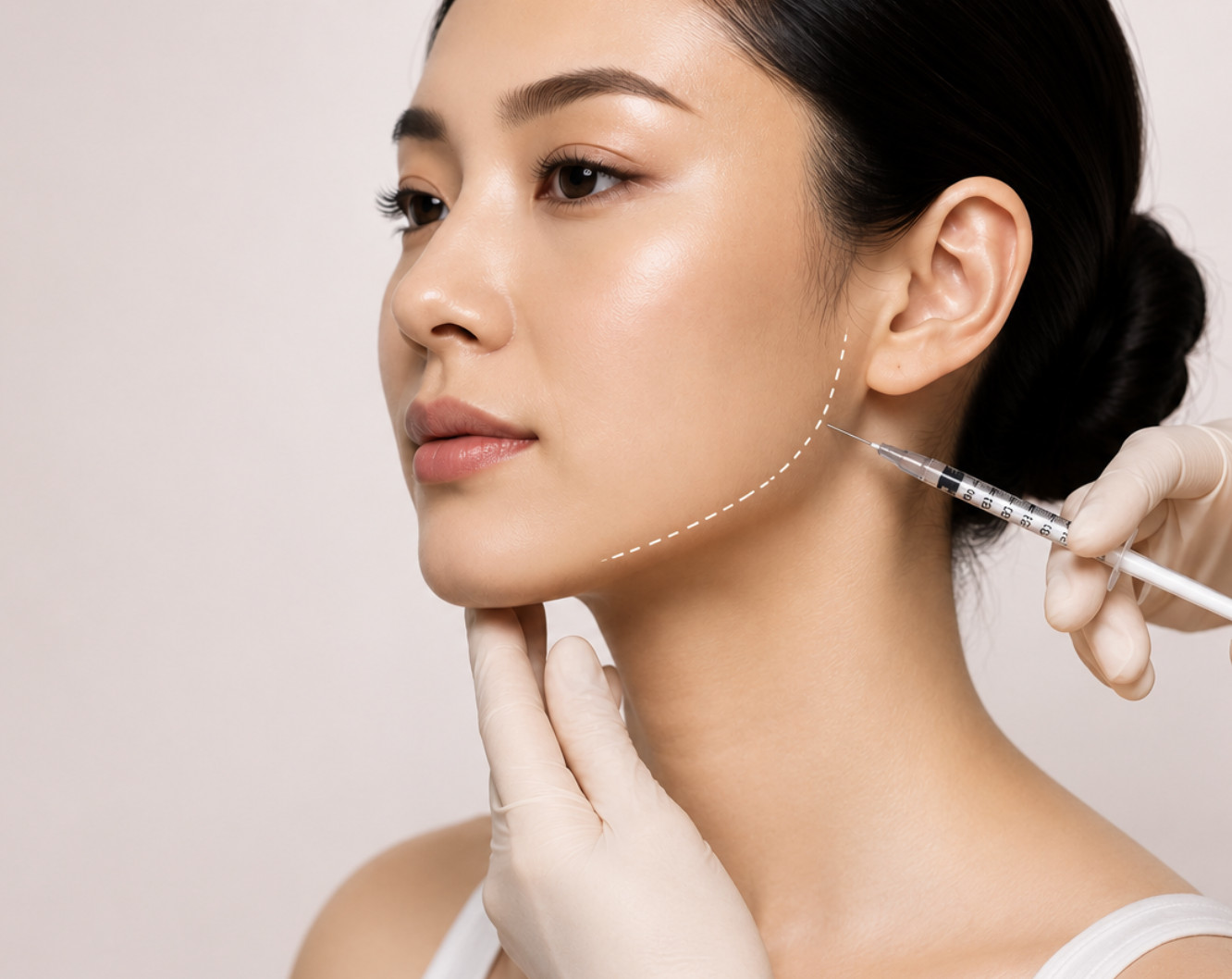
VBeam PDL may also be used to help bruises fade more quickly after injectable treatments such as Botox or dermal fillers.
The laser targets the blood collected beneath the skin, which may help accelerate the natural clearing process.
VBeam PDL for Rosacea and Redness
Rosacea is one of the conditions most commonly treated with PDL.
The laser targets the dilated blood vessels responsible for persistent facial redness and visible vessels, helping reduce their appearance over a series of treatments.
PDL does not cure rosacea because the underlying condition can continue to produce redness and new visible vessels. However, it can be highly effective for managing symptoms and improving skin clarity.
Many patients benefit from maintenance treatments once or twice a year, depending on the severity of their rosacea and how quickly redness returns.
The same mechanism makes PDL useful for other causes of redness, including broken capillaries and post-inflammatory erythema, which is lingering redness after acne, injury, or another form of skin inflammation.
What the Treatment Process Looks Like
Consultation
Your dermatologist will evaluate your skin, medical history, and specific concerns.
The treatment plan may vary depending on whether the goal is to address:
- Rosacea
- Visible blood vessels
- Pigmentation
- Scarring
- Bruising
- General redness
The number of sessions and laser settings should be customized to your skin type and treatment goals.
Procedure
PDL is generally well tolerated.
Most patients describe the sensation as a mild sting or a rubber band snapping against the skin. A topical numbing cream may be applied beforehand for added comfort, although it is not always necessary.
Treatment sessions typically last approximately 15 to 45 minutes, depending on the size of the treatment area.
Recovery
Immediately after treatment, the skin may feel warm or similar to a mild sunburn.
Temporary effects can include:
- Redness
- Swelling
- Tenderness
- Bruising
- Purple discoloration, depending on the settings used
Applying a cold compress or ice pack for 5 to 10 minutes at a time may help reduce swelling and discomfort.
Patients are often advised to avoid:
- Hot showers or baths
- Saunas and steam rooms
- Strenuous exercise
- Excessive heat
- Direct sun exposure
These precautions may be recommended for approximately 5 to 7 days, depending on the intensity of treatment.
Consistent use of broad-spectrum SPF 30 or higher is also important during recovery.
When Will You See Results?
Some improvement may be noticeable after the first treatment, but results usually continue to develop over several weeks.
For vascular concerns, many patients require approximately 1 to 3 sessions. More extensive redness, port-wine stains, scarring, or pigmentation concerns may require additional treatments.
The exact number of sessions depends on:
- The condition being treated
- The size and depth of the vessels
- The treatment area
- The laser settings used
- The patient’s skin type
- The desired level of improvement
Potential Side Effects
Common side effects include:
- Redness
- Swelling
- Bruising
- Tenderness
- Temporary darkening of treated areas
These effects usually improve within several days to about a week.
Less common risks include:
- Blistering
- Scabbing
- Post-inflammatory hyperpigmentation
- Hypopigmentation
- Infection
- Scarring
Following your dermatologist’s aftercare instructions carefully can help reduce the risk of complications.
Is VBeam Safe for Skin of Color?
PDL can be used in a range of skin tones, but treatment requires careful adjustment in patients with more melanin-rich skin.
Because melanin can also absorb laser energy, darker skin tones may carry a higher risk of pigment changes or burns if inappropriate settings are used.
An experienced provider should select conservative settings and carefully evaluate the patient’s skin type before treatment.
The Bottom Line
VBeam PDL is one of the most established and well-studied laser treatments for vascular and redness-related concerns, including rosacea, broken capillaries, port-wine stains, post-inflammatory redness, and certain scars.
It is minimally invasive, generally well tolerated, and can produce meaningful improvement when performed by an experienced provider.
If persistent redness or visible blood vessels are a concern, a consultation with a board-certified dermatologist can help determine whether PDL is appropriate for your skin and treatment goals.