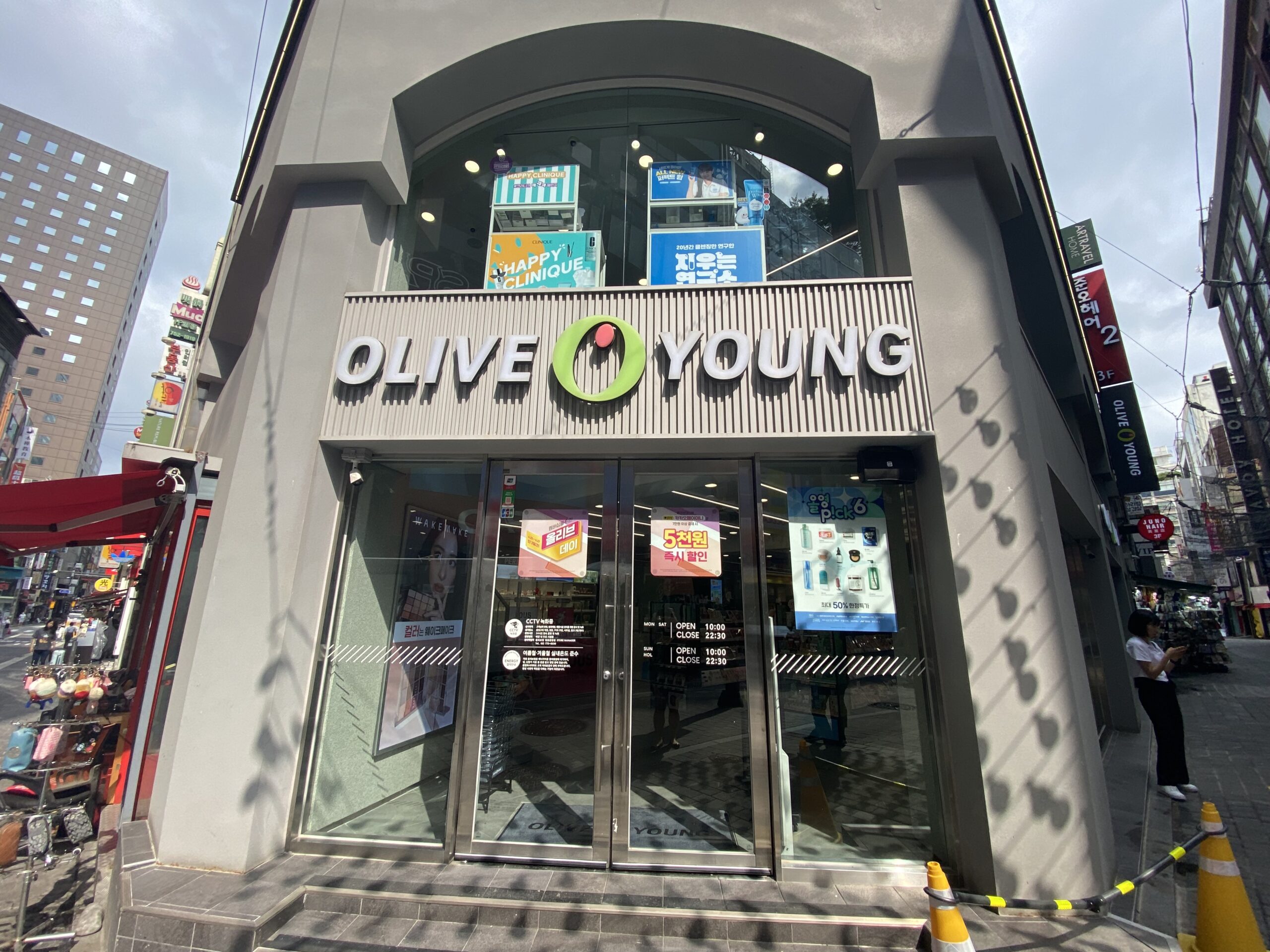
If you’ve ever traveled to Europe or Asia and picked up a local sunscreen, you may have noticed that it feels different: lighter, more elegant, and less chalky.
That is not just a texture preference. Sunscreens sold in countries like Japan, South Korea, and France often use different active ingredients than those available in the United States, and many of these ingredients offer meaningfully better protection against UVA rays.
The Core Issue: UVA Protection
Sunlight reaches the skin as two main types of ultraviolet radiation.
UVB Rays
UVB rays are the primary cause of sunburn. The SPF number on a sunscreen bottle mainly measures protection against UVB radiation.
UVA Rays
UVA rays penetrate more deeply into the skin. They do not usually cause visible burning, but they are responsible for much of the skin’s visible aging and also contribute to skin cancer risk.
The FDA allows only two ingredients that provide strong UVA protection:
- Zinc oxide
- Avobenzone
European regulators, by contrast, have approved roughly 34 UV filters overall. This gives manufacturers far more options, including several ingredients specifically designed to filter UVA radiation more effectively than avobenzone.
One evaluation of high-SPF sunscreens found that United States formulas allowed roughly three times more UVA radiation to pass through than comparable European formulas.
Why the Gap Exists
The difference comes down largely to regulatory structure rather than ingredient danger.
How Sunscreen Is Regulated in the United States
In the United States, sunscreen is classified and regulated as an over-the-counter drug under a framework rooted in a 1938 law.
New sunscreen active ingredients must go through a lengthy and costly approval process similar to the process required for pharmaceutical drugs.
How Sunscreen Is Regulated in Europe
In the European Union, sunscreen is regulated as a cosmetic. This allows for a more flexible ingredient approval pathway.
Manufacturers of advanced UV filters, including ingredients sold under trade names such as Tinosorb S, Tinosorb M, and Mexoryl SX, submitted safety data to European regulators decades ago. These filters have been used in international sunscreen formulas ever since.
However, the same data did not satisfy the FDA’s separate requirements. As a result, the agency had not approved a new sunscreen active ingredient since 1996 until a recent regulatory development.
A Step Forward: Bemotrizinol
In December 2025, the FDA proposed allowing bemotrizinol in United States sunscreens at concentrations of up to 6%.
Bemotrizinol has long been used abroad under names such as:
- Tinosorb S
- BEMT
- PARSOL Shield
This marked the first proposal for a new UV filter in the United States in more than 25 years. The FDA’s proposal stated that the ingredient appeared to be safe, effective, and minimally absorbed into the body.
If the proposal is finalized, sunscreens containing bemotrizinol could reach United States shelves as early as late 2026.
Other Filters Still Unavailable in the United States
Bemotrizinol represents meaningful progress, but it is only one of several advanced UVA filters currently used abroad.
Other filters that remain unavailable in the United States include:
Bisoctrizole
Bisoctrizole, also known as Tinosorb M, provides broad-spectrum protection and both absorbs and scatters UV radiation.
Ecamsule
Ecamsule, also known as Mexoryl SX, is a water-soluble UVA filter commonly used in European sunscreens.
Drometrizole Trisiloxane
Drometrizole trisiloxane, also known as Mexoryl XL, provides UVA and UVB protection and is frequently paired with Mexoryl SX.
These filters may offer comparable or better safety, stability, and performance profiles than some older sunscreen ingredients available in the United States.
Why Sunscreens Abroad Often Feel Better
The wider range of approved filters allows international brands to formulate sunscreens that are:
- More lightweight
- Less greasy
- Less likely to leave a white cast
- More photostable
- More effective against UVA radiation
- Easier to layer under makeup
- Available in gel, essence, serum, and fluid textures
This is one reason Korean, Japanese, and European sunscreens often feel more cosmetically elegant than many traditional United States formulas.
What This Means for You
For now, sunscreens offering the strongest UVA protection are often mineral formulas containing zinc oxide or products purchased from countries with access to newer filters.
However, bringing sunscreen back from international travel may be subject to customs restrictions. Purchasing imported products from third-party online sellers can also create a risk of receiving counterfeit, expired, or improperly stored sunscreen.
The regulatory process may be starting to change, particularly with the proposed approval of bemotrizinol.
Sunscreens sold abroad often benefit from a wider range of modern UV filters, especially ingredients that provide strong, stable UVA protection while allowing for lighter and more wearable textures.
Even so, the most important sunscreen habit remains consistent and correct use. The best sunscreen is one that provides broad-spectrum protection and that you will apply generously and reapply regularly. A highly advanced sunscreen left in the bottle provides no protection at all.