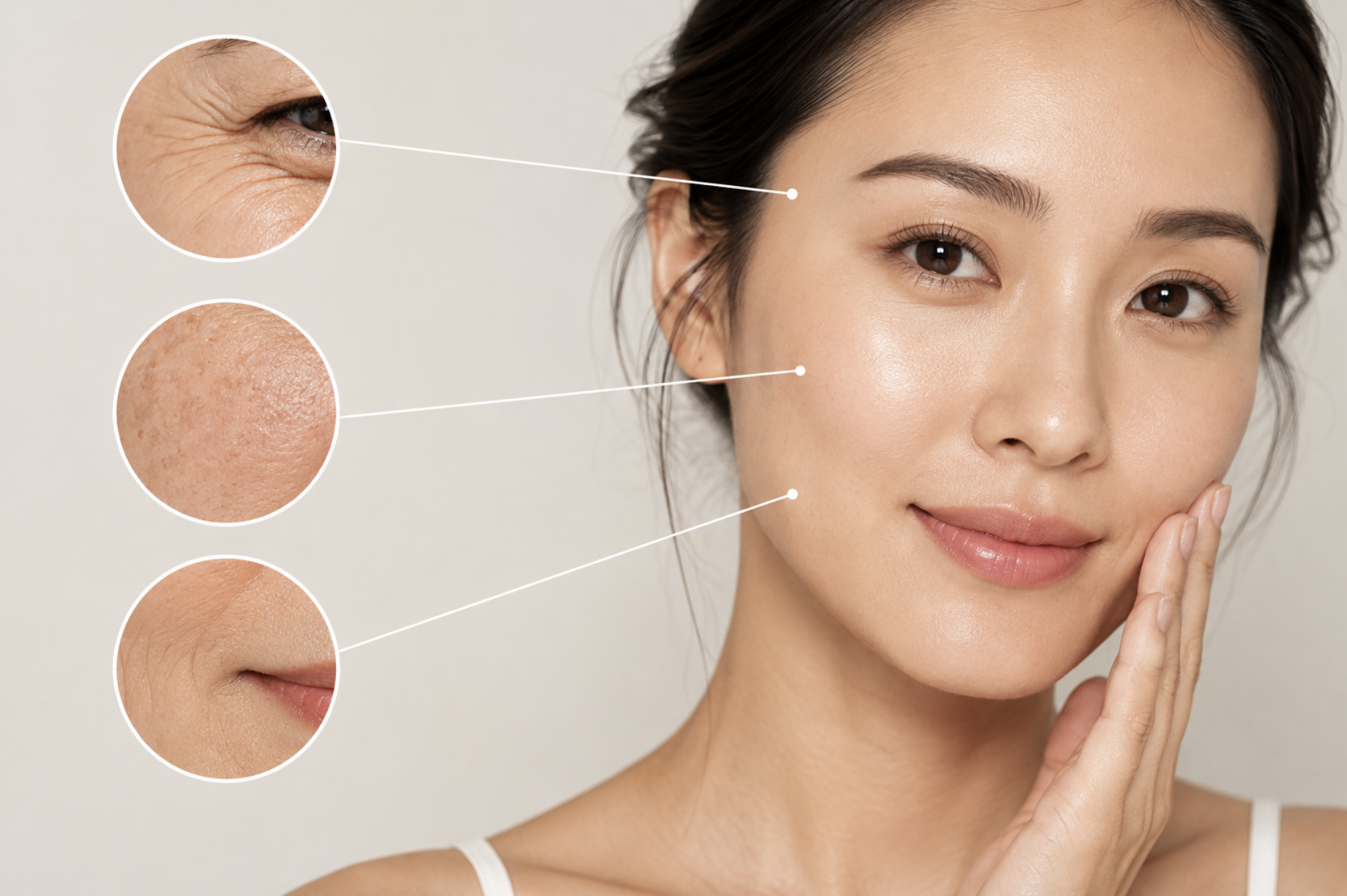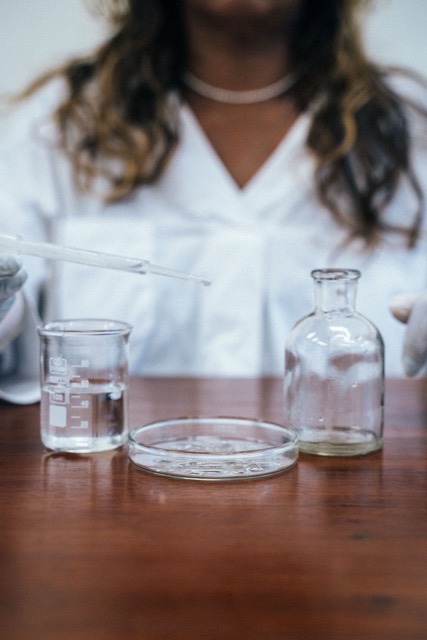
Chemical peels have become a popular treatment for achieving smoother, brighter skin by removing its outer layers. Traditionally performed by professionals, these treatments are now available in at-home kits, offering consumers a convenient and cost-effective alternative. But while they promise professional-like results, at-home chemical peels come with significant risks when not used correctly.
The Appeal and the Risks of At-Home Chemical Peels
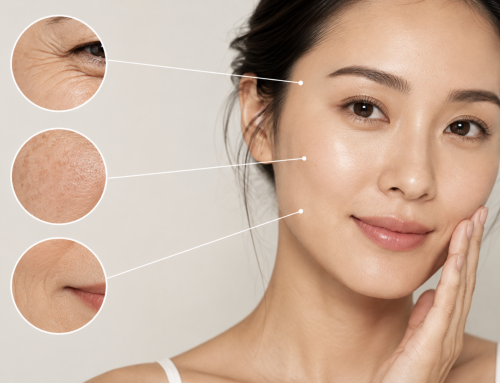
At-home chemical peels are attractive because they promise impressive results at a fraction of the price of professional treatments. These kits typically contain well-known acids like glycolic, salicylic, or lactic acid, which improve skin texture, reduce acne scars, and treat fine lines. However, despite their over-the-counter availability, these peels can still cause significant damage if misused.
The FDA has warned against the use of chemical peel products containing high concentrations of acids, such as trichloroacetic acid (TCA) and strong glycolic acid formulations, without professional supervision. Even with lower concentrations, mishandling can lead to burns, scarring, and long-term skin damage. Consumers often underestimate the strength of these acids, leading to severe chemical burns, as reported in several cases.
Greenwashing and Misleading Marketing
An additional concern surrounding at-home chemical peels is greenwashing, where companies falsely market their products as “natural” or “safe” without providing full transparency about the ingredients or risks involved. Many peels sold online may not clearly indicate the concentration of acids or offer proper usage instructions. This misleading marketing can lull consumers into a false sense of security, increasing the chances of misuse and harmful side effects.
Staying Safe with At-Home Peels
Licensed dermatologists are trained to assess your skin type and apply chemical peels safely. They can tailor treatments based on individual needs, ensuring that the acid is applied for the appropriate duration and neutralized before any damage occurs. Professionals also monitor for early signs of adverse reactions, preventing complications that can occur when peels are misapplied. Without this guidance, the risk of burns, irritation, and even permanent scarring increases significantly.
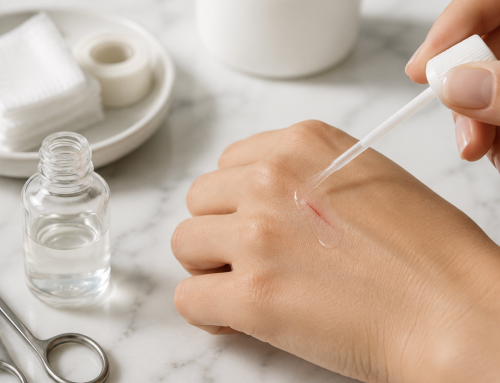
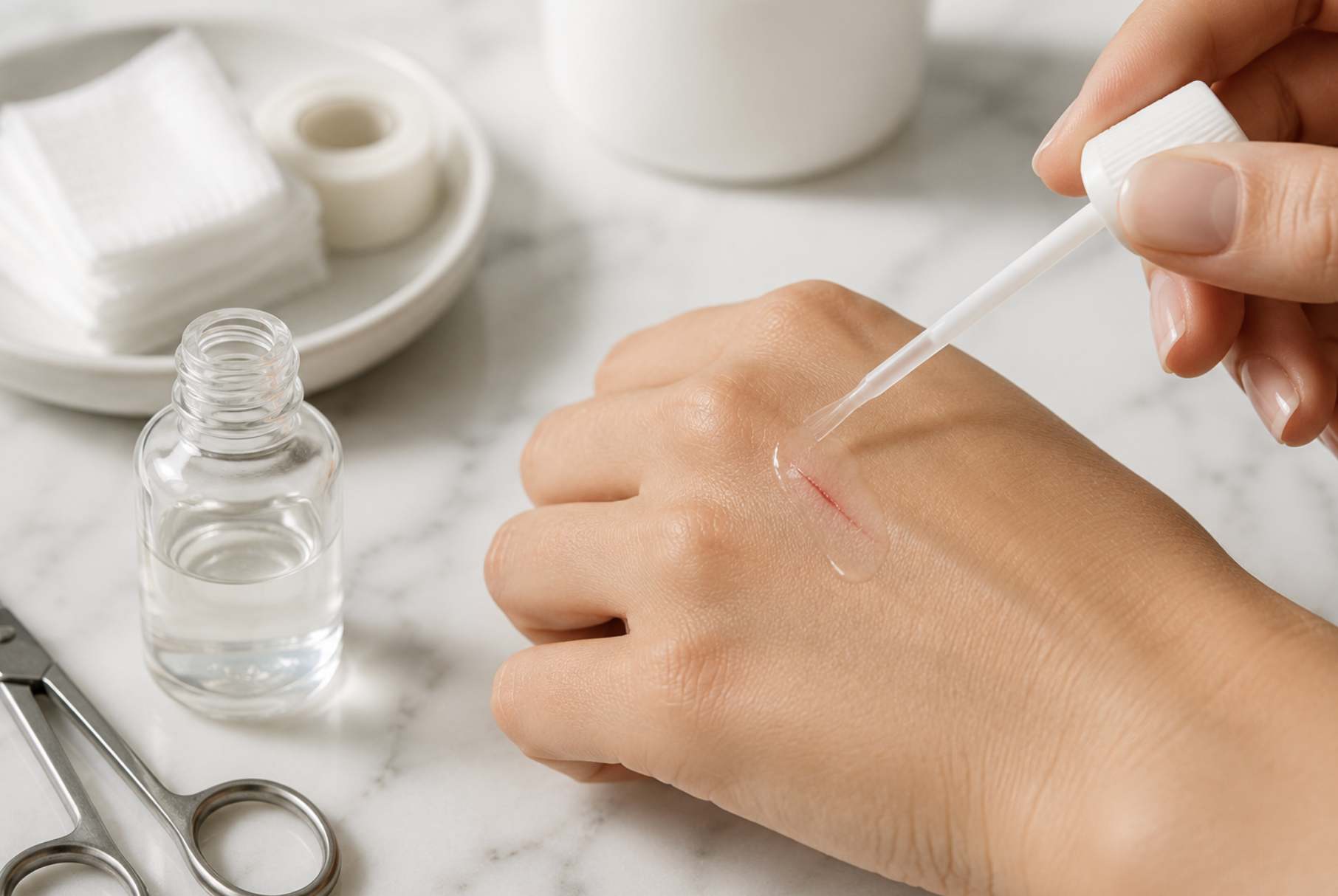
For those who still wish to try at-home chemical peels, experts recommend starting with lower concentrations of alpha-hydroxy acids (AHAs) like glycolic or lactic acid under 10%. Always conduct a patch test on a small area of skin before applying the peel to your face, and carefully follow the instructions. In addition, be sure to use sunscreen daily after the peel to protect your newly exposed skin from further damage. Consulting a dermatologist is always a safe first step to avoid unnecessary risks.
While at-home chemical peels offer an affordable way to improve skin texture and clarity, they come with significant risks when not used correctly. The convenience of these products can lead to serious skin damage if handled improperly or without professional guidance. It’s crucial to approach them with caution, and in most cases, consulting a dermatologist is the safest way to achieve desired results without the risk of long-term harm.
Sources:
- “FDA Warns Against Purchasing or Using Chemical Peel Skin Products Without Professional Supervision.” FDA.gov
- “Experts Warn of Risks of Some At-Home Chemical Peels.” ABC News
- “What Are the Risks of At-Home Chemical Peels?” The Dermatology Clinic
- “How to Use Chemical Peels at Home, According to Experts.” The New York Times