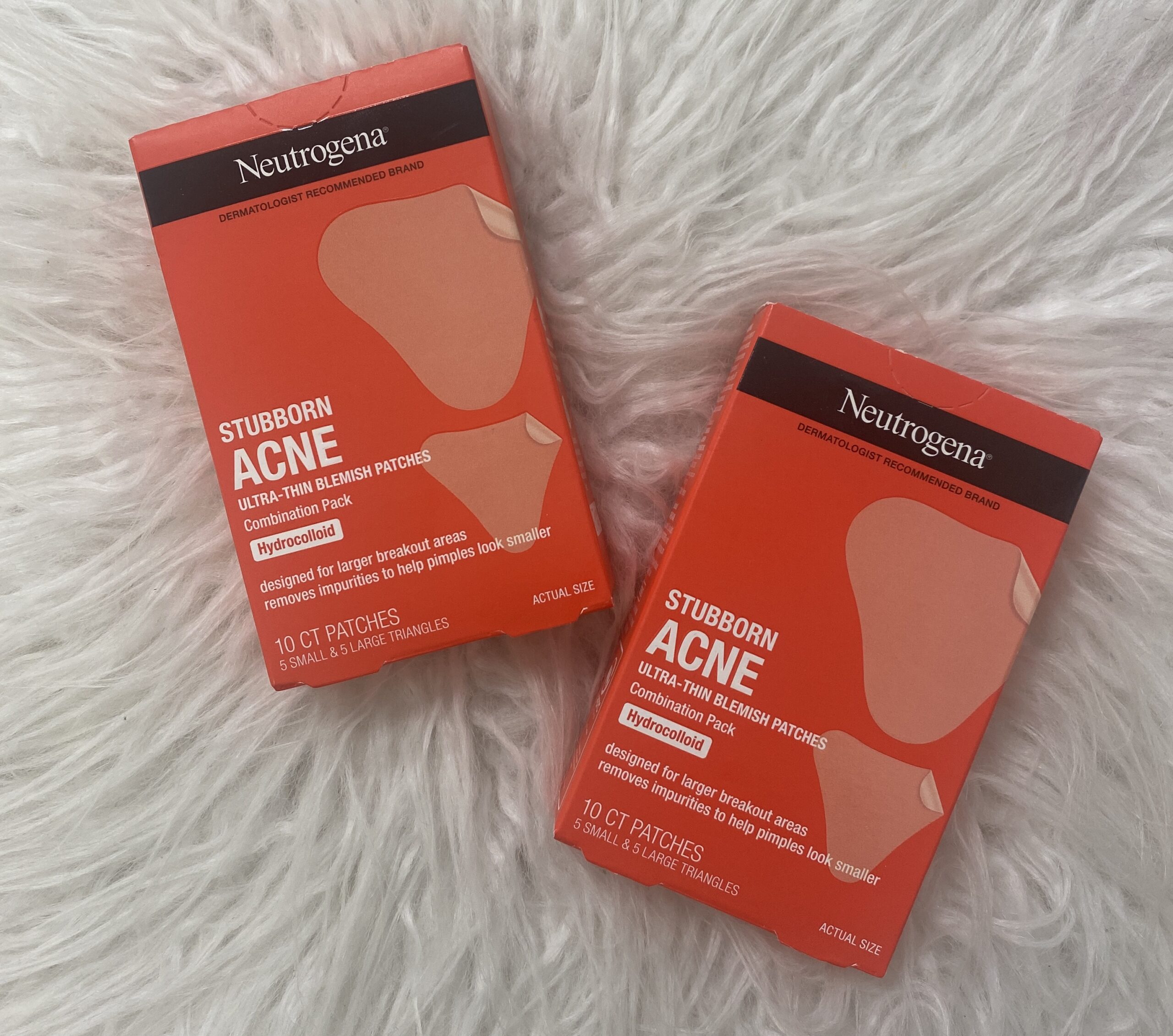
Pimple patches have gained popularity as a quick fix for blemishes, promising to reduce inflammation and heal acne overnight. These small stickers, often made from hydrocolloid, are designed to treat pimples by absorbing fluids and protecting the area from bacteria. If you’re looking for a complementary step, Hypochlorous Acid Spray is a great way to prep skin before applying a patch. But do these patches really work, and are they effective for all types of acne?
What Are Pimple Patches?
Pimple patches, made from hydrocolloid, were originally developed for wound care. When applied to acne, they absorb fluids like pus and oil, creating a moist environment that promotes healing. Some include ingredients like salicylic acid to target breakouts. These patches reduce swelling, protect the area, and act as a barrier to prevent picking, which can lead to scarring.
For a targeted salicylic acid option beyond patches, Neutrogena Oil-Free Acne Wash or La Roche-Posay Effaclar Medicated Face Wash can help keep pores clear between uses.
Hydrocolloid pimple patches are most effective on surface-level acne, such as pus-filled pimples or whiteheads that have already “popped.” They work by absorbing the fluids from the pimple, which helps to flatten it and reduce redness. However, it’s important to note that these patches are not a cure-all for all types of acne. For deeper forms of acne, like cystic acne, pimple patches are less effective. These deeper forms often require more aggressive treatments, such as corticosteroid injections or prescription medications.
Limitations of Pimple Patches
While pimple patches can reduce swelling and provide temporary relief, they are not a long-term solution for acne. Hydrocolloid does not contain active ingredients that target acne at its source, so it won’t prevent future breakouts. They are most effective on open pimples or whiteheads but don’t work for blackheads, cystic acne, or hormonal acne.
Pimple patches also offer psychological benefits by preventing users from picking at their skin, which helps avoid scarring. Some brands have playful designs to reduce the stigma around acne. While useful for surface-level acne, they won’t cure all types of acne or prevent future breakouts. For those dealing with surface breakouts, pairing patches with a dedicated spot treatment like La Roche-Posay Effaclar Duo, CeraVe Acne Control Gel, or Neutrogena Rapid Clear can improve results. For persistent acne, it’s best to consult a dermatologist for a comprehensive treatment plan.
Sources:
- “Hydrocolloid Patches: Purpose, How to Use, Effectiveness.” Health.com
- “Do Those Pimple Stickers Actually Work?” Healthline
- “Hydrocolloid Patches for Pimples: What to Know.” WebMD
- “Pimple Patches and What They Offer.” American Chemical Society