The popularity of GLP-1 receptor agonists like Ozempic and Wegovy is still on the rise. Originally developed to manage type 2 diabetes, these medications are now widely used for weight loss, prompting a closer look at their effects beyond the scale. As more people turn to these drugs, dermatologists are paying attention to a growing trend: visible changes in the skin and facial structure.
How GLP-1 Drugs Affect the Skin
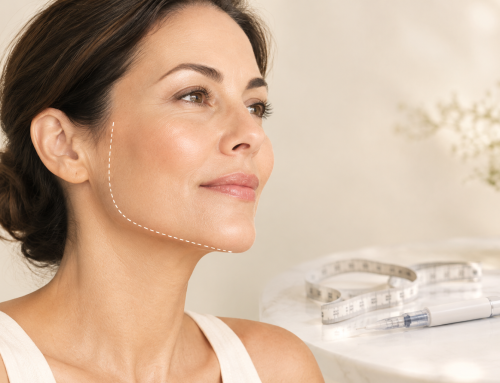
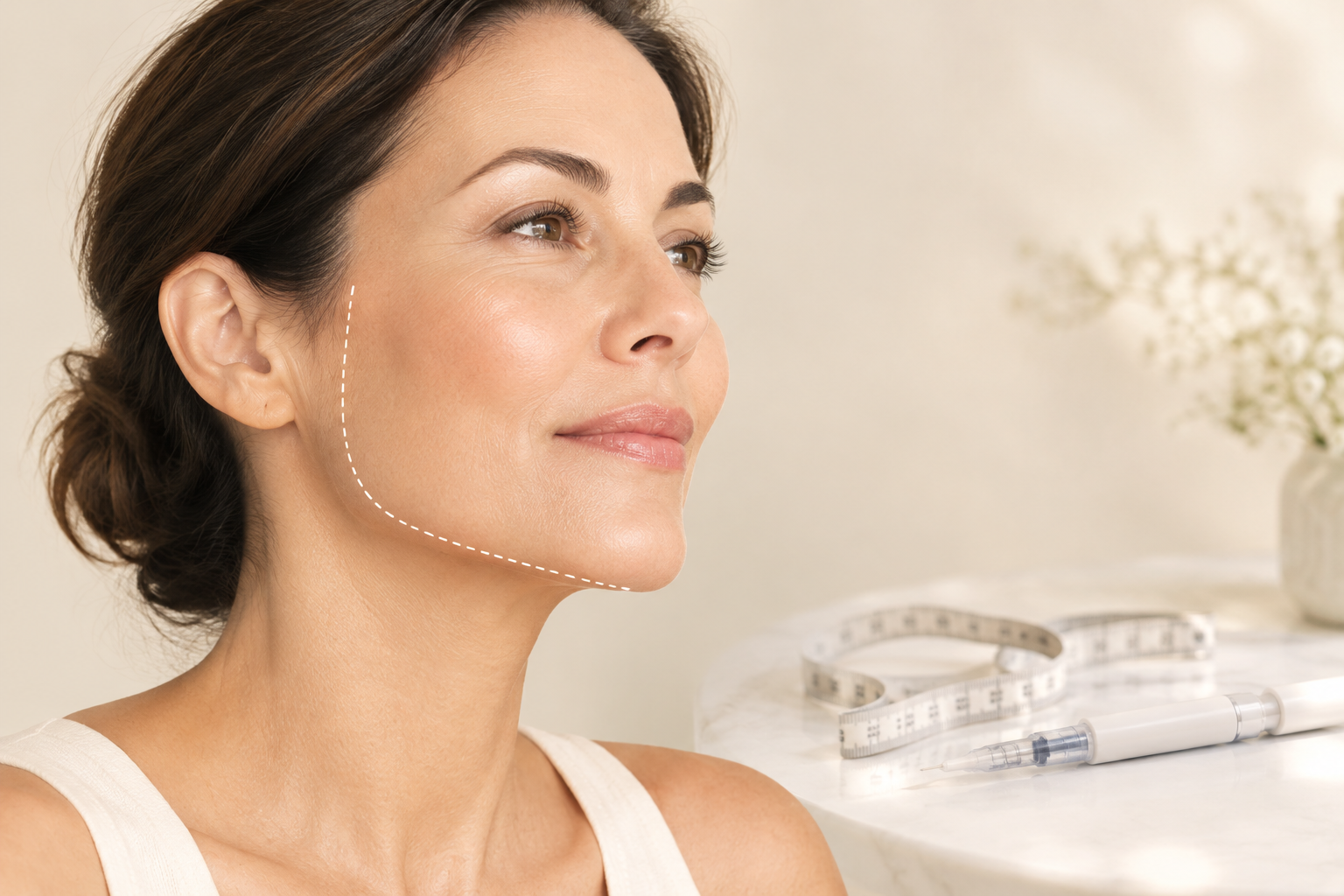
GLP-1 medications help with weight loss by slowing digestion, suppressing appetite, and supporting better insulin regulation. But when weight loss happens quickly, skin health can decline. Patients often experience a loss of facial fat, decreased skin elasticity, and a weakened dermal structure. The skin may appear thinner, looser, and more aged in a short period of time.
At recent dermatology and aesthetic conferences, experts have emphasized that this is not just a cosmetic issue. It is a shift in the physiology of the skin. The fat that once supported facial contours plays a crucial role in skin hydration and collagen maintenance. Without it, the balance of healthy skin is disrupted.
Why It’s More Than Just Volume Loss
Rapid weight loss can also alter nutritional status. Many patients are not consuming enough protein, vitamins, or healthy fats during their weight loss journey. This can compromise collagen production and repair mechanisms in the skin. While younger patients may see a faster recovery, others may experience persistent signs of volume loss and skin laxity.
Every patient’s experience is different. Factors such as age, gender, baseline weight, and how quickly the weight is lost all play a role in how the skin responds.
Emerging Treatment Approaches
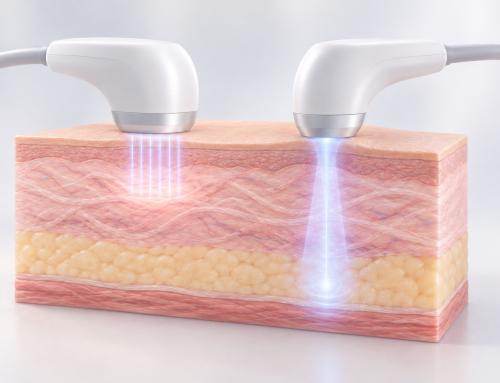
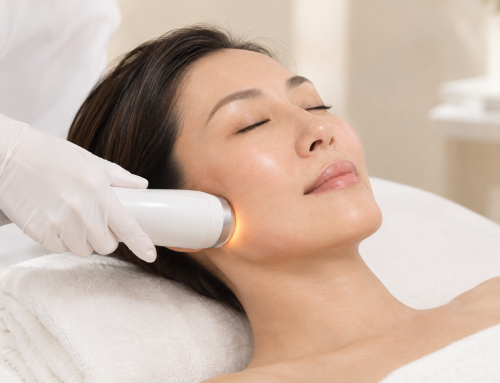
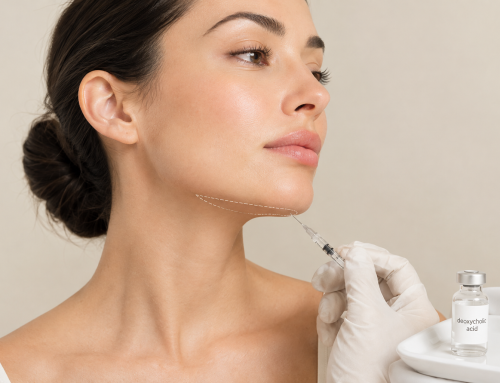
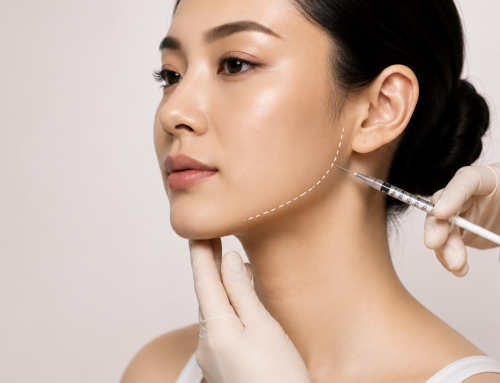
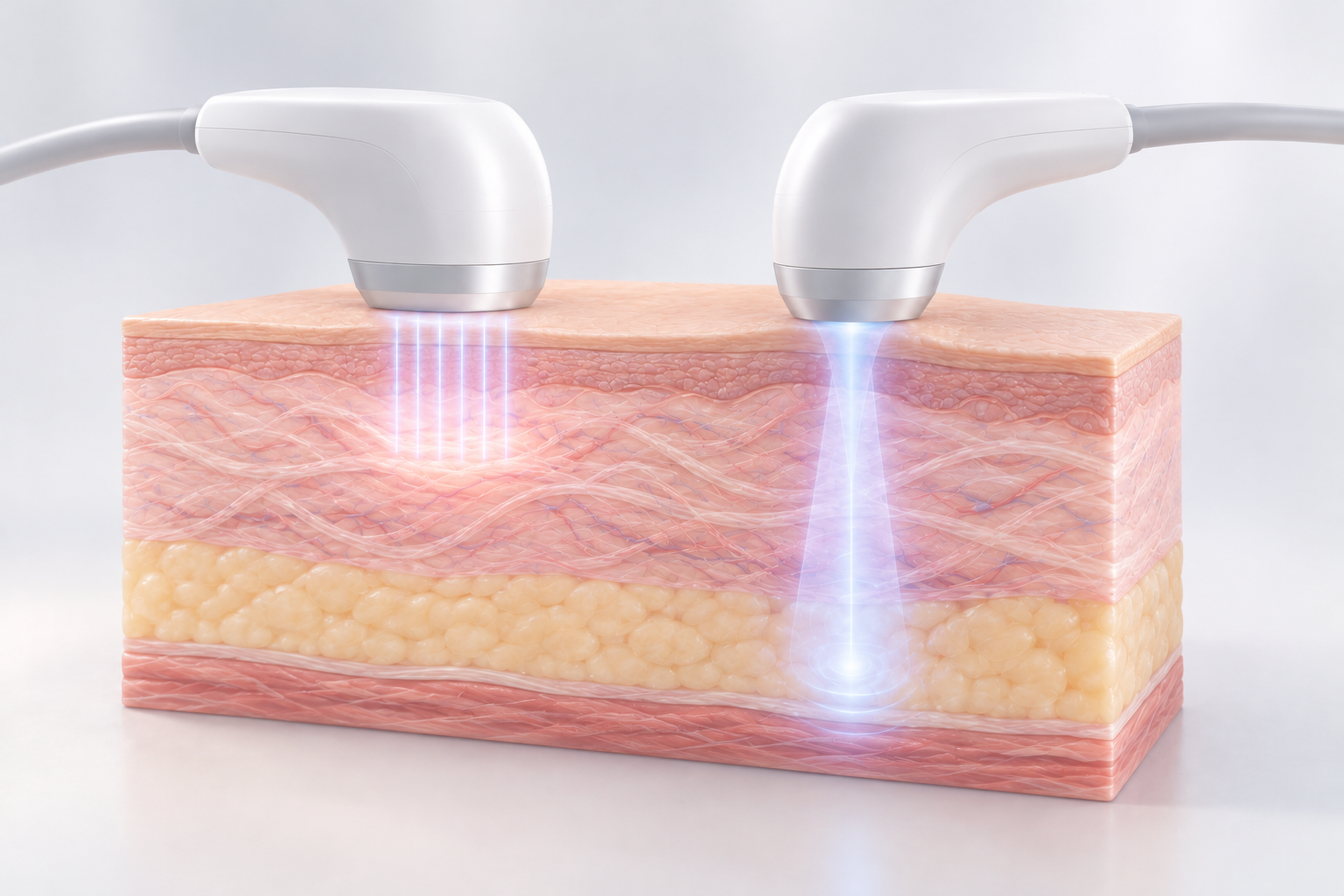
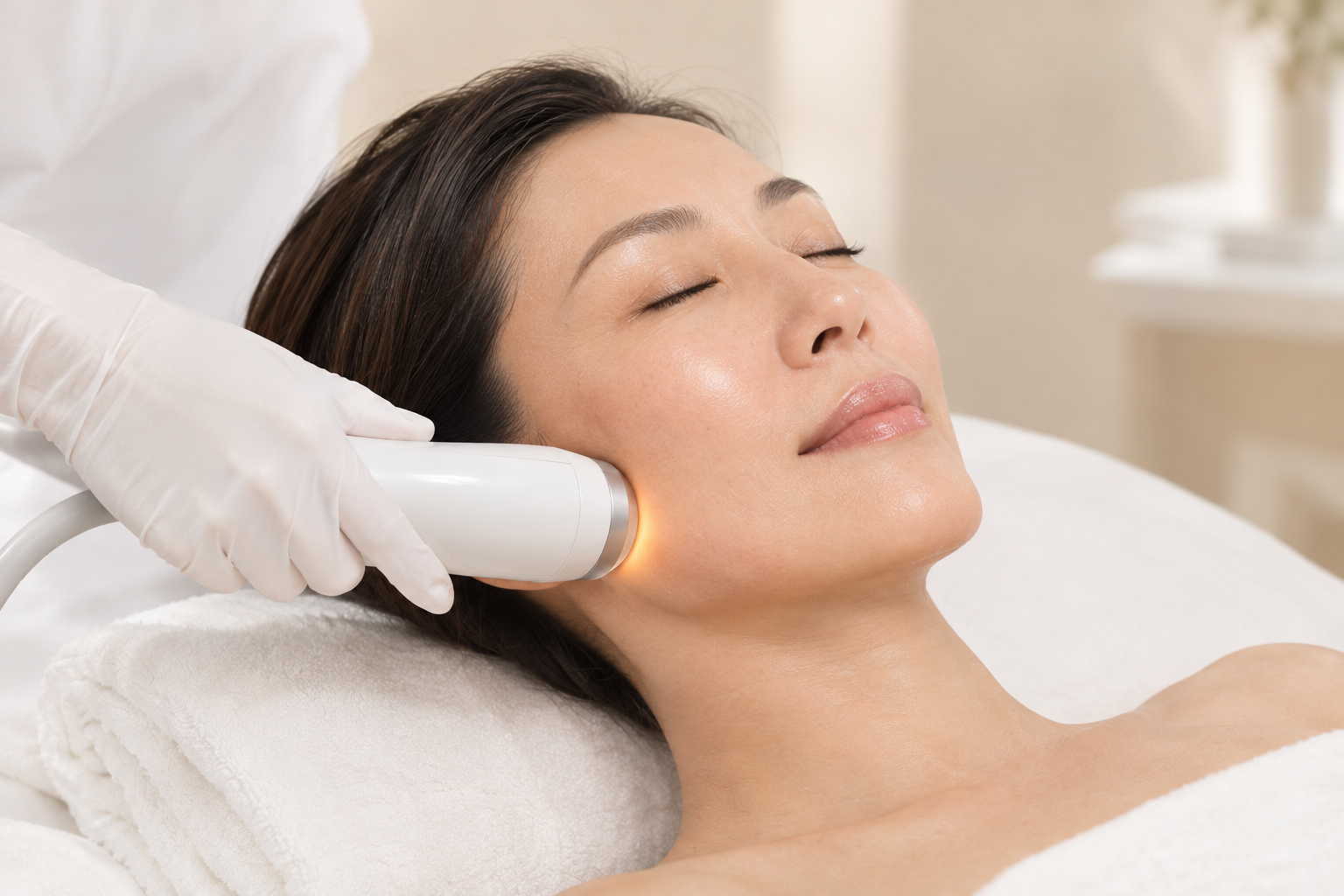
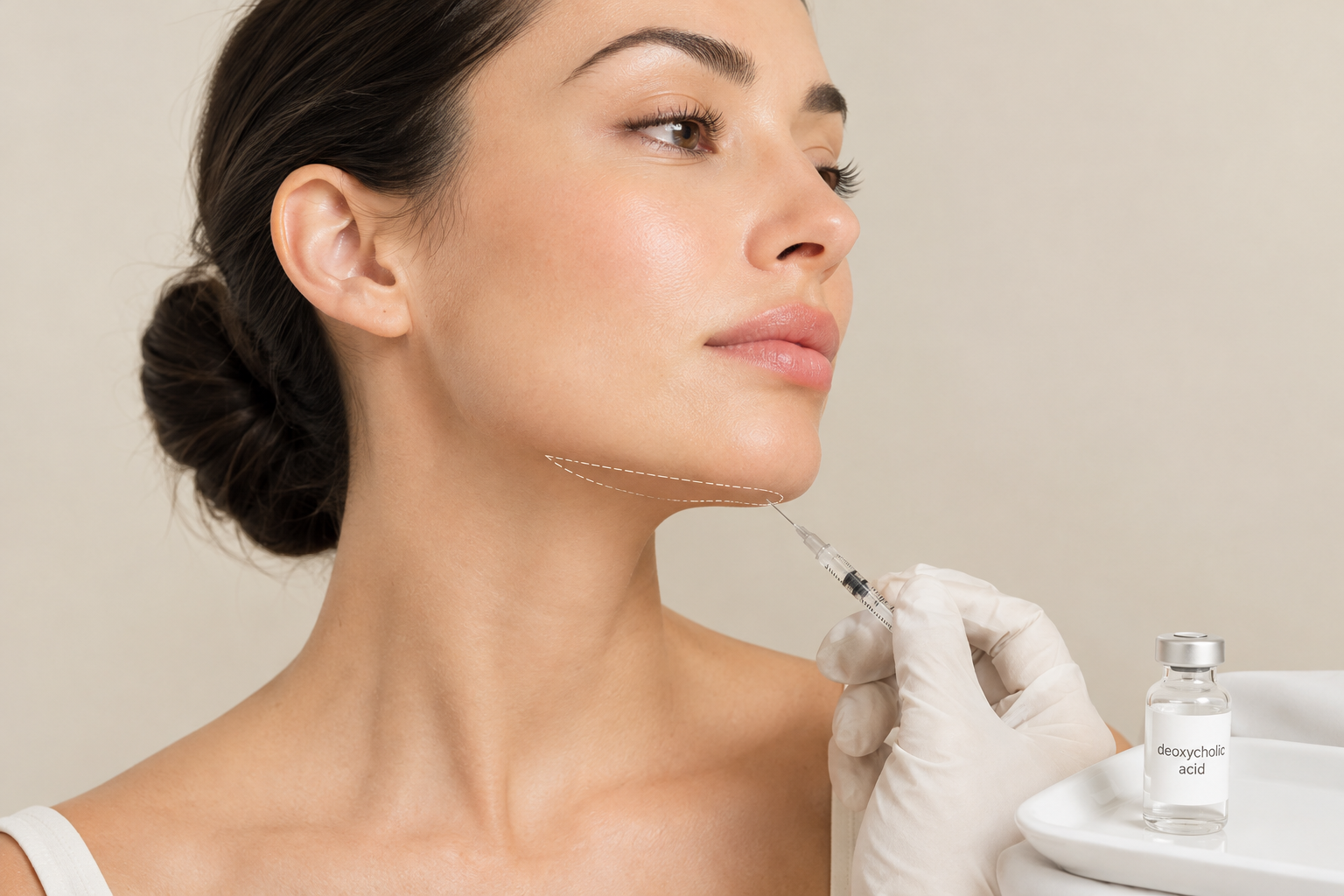
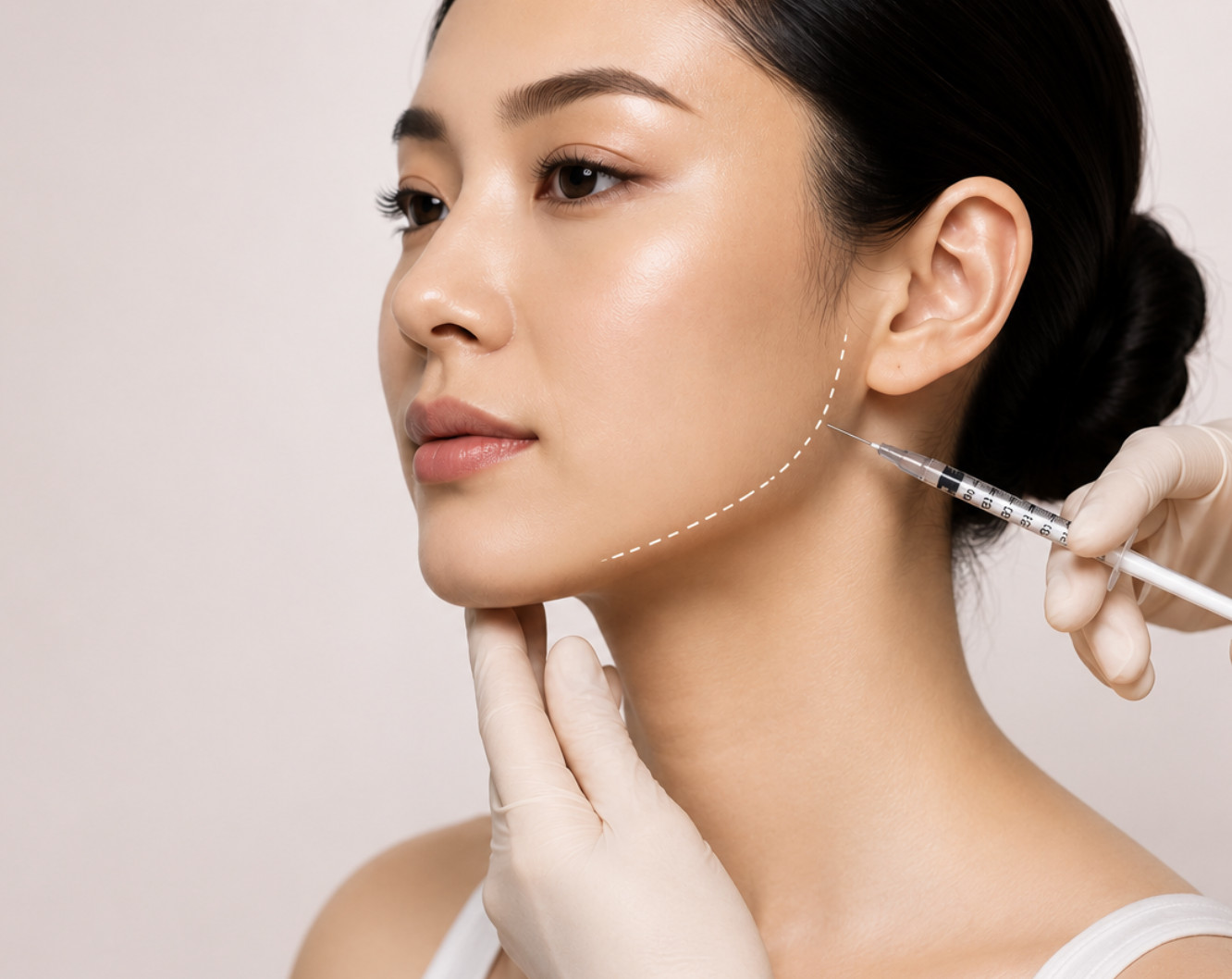
To counteract these skin changes, many aesthetic providers are using collagen-stimulating treatments such as biostimulators. These injectables can gradually rebuild dermal support and improve elasticity. Energy-based devices like ultrasound and radiofrequency are also being used to tighten the skin and improve texture.
Experts now recommend early intervention, ideally within the first few months of starting GLP-1 medication. Treating sooner can make it easier to support the skin before deeper structural changes set in.
Looking Ahead
GLP-1 users are increasingly being recognized as a unique dermatologic population. Their needs often extend beyond skincare alone and may involve guidance on nutrition, lifestyle, and long-term aesthetic planning.
As the use of GLP-1 drugs continues to rise, dermatologists are adapting their treatment strategies to better care for the skin during and after significant weight loss. With the right approach, patients can protect their skin while achieving their overall health goals.
Source: CosmeticsDesign-Europe, How Ozempic use is changing people’s skin by Kirsty Doolan, April 30, 2025.