The Environmental Working Group (EWG) recently released its 2025 Sunscreen Guide, evaluating over 2,200 SPF products based on ingredient safety and UV protection. But this year’s report has drawn strong criticism from dermatologists and industry scientists who caution that its conclusions could create confusion and undermine public trust in safe, effective sunscreens.
According to the EWG, nearly 80 percent of sunscreens reviewed either fail to offer sufficient protection or contain ingredients they consider concerning. Only 498 products met their safety and efficacy criteria, and just 63 received the “EWG Verified” seal.
What the EWG Criticized
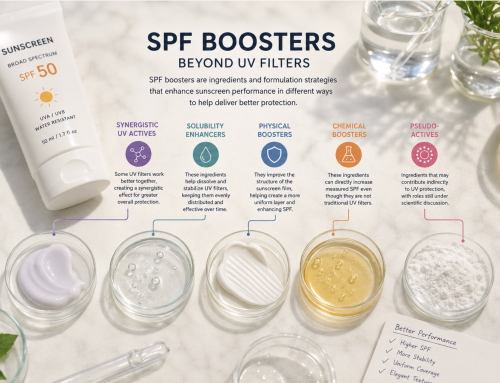
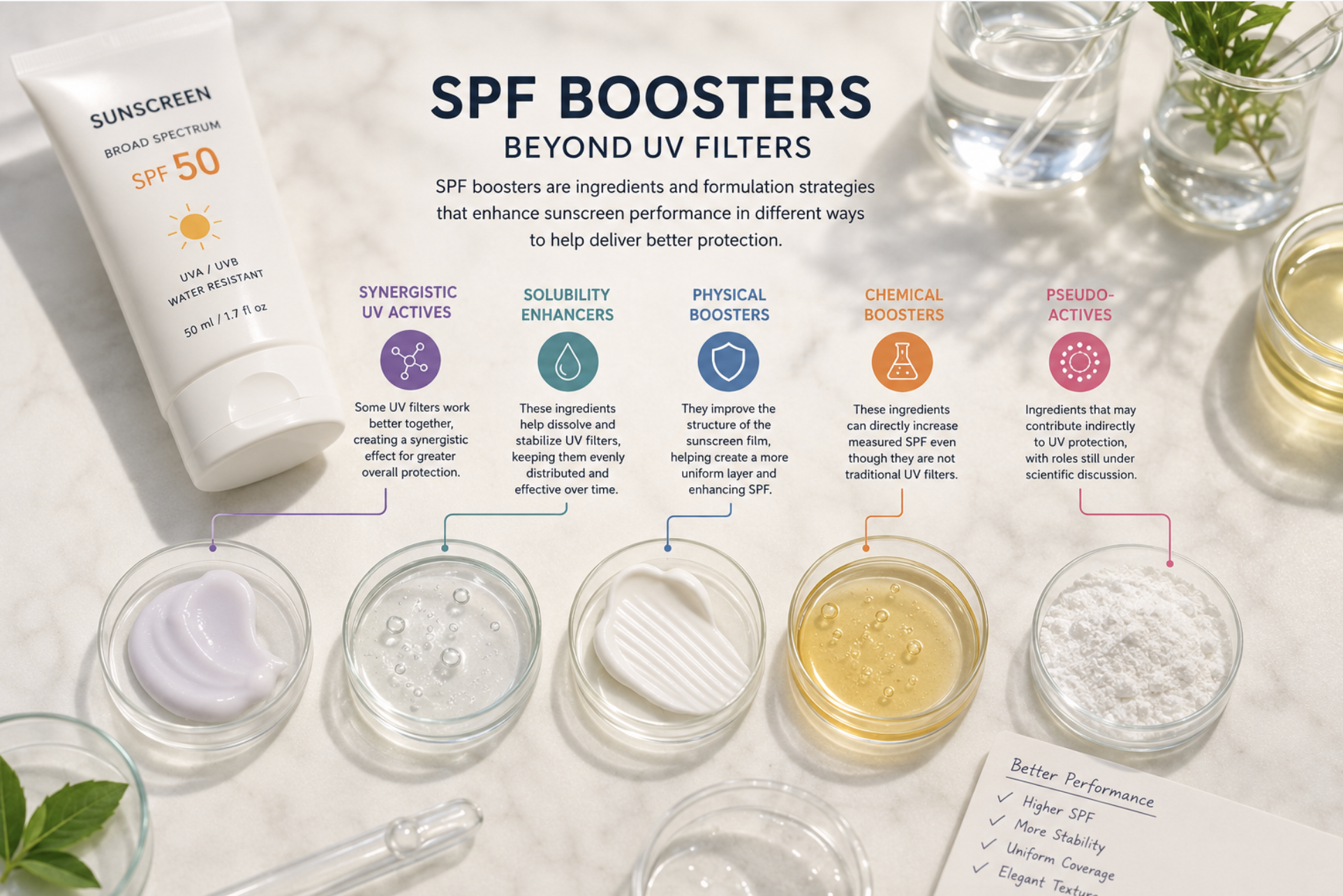
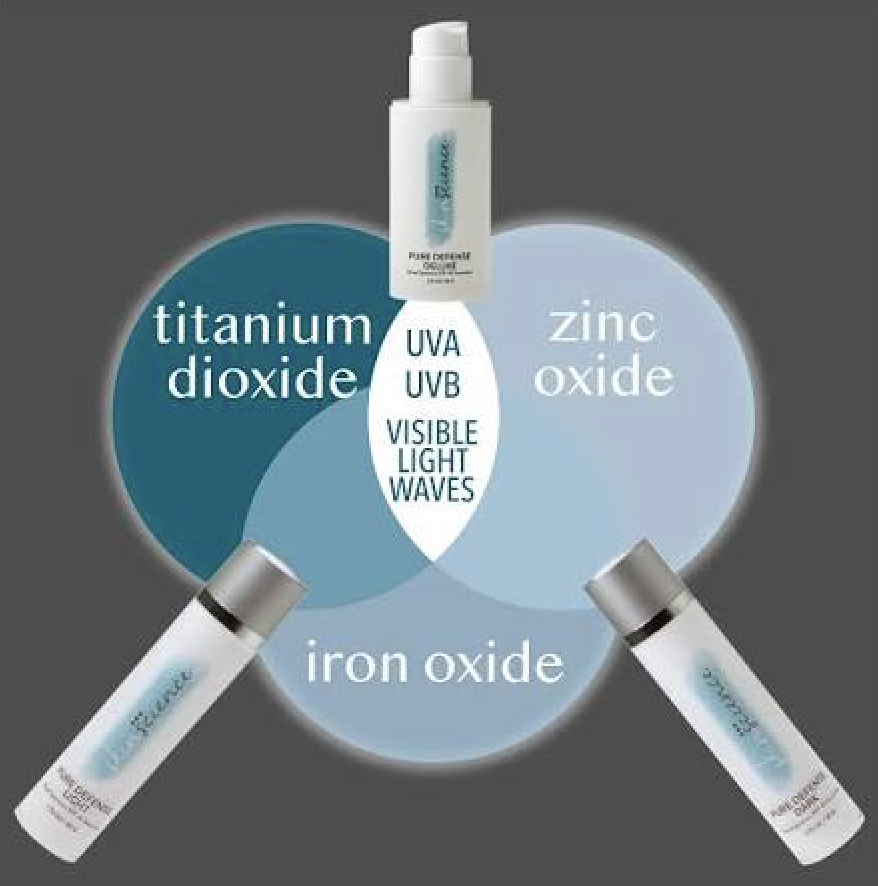
The EWG guide favors mineral sunscreens and raises concerns about many non-mineral formulations. It specifically flags ingredients like butyloctyl salicylate (BOS), an SPF “booster” that the group claims may inflate SPF ratings without improving UVA protection. The report also casts doubt on chemical filters such as avobenzone and octocrylene, despite their long-standing approval and widespread use.
Industry and Dermatology Response
In response, the Consumer Healthcare Products Association (CHPA) and the Personal Care Products Council (PCPC) released a joint statement defending non-mineral sunscreens and warning that the EWG’s claims could mislead consumers. These groups emphasized that all FDA-approved sunscreens, whether mineral or chemical, undergo rigorous testing for safety and effectiveness.
Experts note that ingredients like BOS are used to improve a product’s photostability and overall performance. When combined with broad-spectrum UVA filters, they help create sunscreens that are both protective and pleasant to use.
Why Messaging Matters
Dermatologists are particularly concerned that the EWG’s messaging could cause people to stop using sunscreen altogether. When patients are told that most sunscreens are unsafe, they may skip SPF entirely. This can increase the risk of skin cancer and premature aging, especially during the summer months.
Non-mineral sunscreens often offer smoother textures and better wearability, which makes them more likely to be used consistently. In the U.S., formulators already face challenges due to limited access to approved UV filters. With only 16 options currently allowed, innovation is more difficult compared to regions like Europe or Asia.
The Bottom Line
Transparency and continued innovation in sunscreen are important goals. But creating fear around ingredients that have been vetted by the FDA and recommended by dermatologists can do more harm than good.
Rather than avoiding sunscreen, the priority should be finding one that fits your skin type and lifestyle. Whether mineral or chemical, the best sunscreen is the one you will actually use every day.