
Jane Yoo MD Board-Certified Dermatologist and Mohs Surgeon in NYC|info@janeyoomd.com | 646-844-0424 | Instagram: @janeyoomd

Sun Protection

Sun Protection for Babies and Little Ones: A Dermatologist’s Guide

Sun Protection for Babies and Little Ones: A Dermatologist's Guide Why the First Few Years Matter So Much A huge share of a person's lifetime UV exposure happens before age 18, and childhood sunburns, especially blistering ones, meaningfully raise melanoma risk later in life. Baby skin is also just different: thinner, with a less developed [...]

By |2026-11-24T20:15:20+00:00July 17th, 2026|Sun Protection|Comments Off on Sun Protection for Babies and Little Ones: A Dermatologist’s Guide

UV Clothing: An Easy Layer to Add to Your Summer Routine

UV Clothing: An Easy Layer to Add to Your Summer Routine How UPF Clothing Actually Works UPF stands for Ultraviolet Protection Factor, and it measures how much UV radiation a fabric blocks before it reaches the skin. A UPF 50+ rating means the fabric blocks about 98% of UVA and UVB rays. This level of [...]

By |2026-11-24T20:14:45+00:00July 16th, 2026|Sun Protection|Comments Off on UV Clothing: An Easy Layer to Add to Your Summer Routine

Bemotrizinol FDA Approval: What It Means for Sunscreen Formulators and Brands

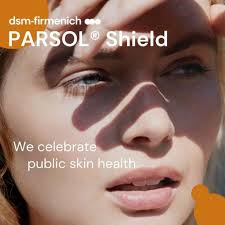
The Regulatory Event That Changes U.S. Sunscreen Formulation On June 9, 2026, the FDA finalized approval of bemotrizinol, also known as BEMT or PARSOL Shield, as an active ingredient for over-the-counter sunscreens in the United States. This marks the first new UV filter approval in the U.S. market in over 25 years. For anyone working [...]

By |2026-06-19T16:57:13+00:00June 18th, 2026|Sun Protection|Comments Off on Bemotrizinol FDA Approval: What It Means for Sunscreen Formulators and Brands

Visible Light Photoprotection: What the New Science Says, and Which Sunscreens Actually Block It

Visible Light Photoprotection: What the New Science Says, and Which Sunscreens Actually Block It Beyond UV: The Visible Light Problem For most of the history of sunscreen science, photoprotection meant UV protection. UVB radiation, which spans approximately 280 to 320 nm, is most associated with sunburn. UVA radiation, which spans approximately 320 to 400 nm, [...]

By |2026-11-24T20:16:07+00:00June 18th, 2026|Sun Protection|Comments Off on Visible Light Photoprotection: What the New Science Says, and Which Sunscreens Actually Block It

Which U.S. Sunscreens Will Have Bemotrizinol First, and What to Look For on the Label

Which U.S. Sunscreens Will Have Bemotrizinol First, and What to Look For on the Label The Wait Is Almost Over With the FDA’s June 9, 2026 approval of bemotrizinol, the first new sunscreen active ingredient approved in the United States in more than 25 years, the natural next question from patients is simple: when can [...]

By |2026-11-24T20:15:42+00:00June 18th, 2026|Sun Protection|Comments Off on Which U.S. Sunscreens Will Have Bemotrizinol First, and What to Look For on the Label

The New Sunscreen Ingredient That Was Blocked for 25 Years, and Why It Matters Most for Skin of Color

The New Sunscreen Ingredient That Was Blocked for 25 Years, and Why It Matters Most for Skin of Color A 25-Year Photoprotection Deficit When the FDA approved bemotrizinol on June 9, 2026, dermatologists across the country let out a collective exhale. For those of us who specialize in skin of color, treat melasma, counsel patients [...]

By |2026-11-24T20:15:41+00:00June 18th, 2026|Sun Protection|Comments Off on The New Sunscreen Ingredient That Was Blocked for 25 Years, and Why It Matters Most for Skin of Color

Bemotrizinol Is Now FDA-Approved: What It Means for Your Sunscreen

Bemotrizinol Is Now FDA-Approved: What It Means for Your Sunscreen The Day American Sunscreen Changed On June 9, 2026, the U.S. Food and Drug Administration approved bemotrizinol, marketed under the brand name PARSOL Shield, as a new active ingredient for sunscreens sold in the United States. This is not a minor regulatory footnote. It is [...]

By |2026-06-19T17:49:48+00:00June 18th, 2026|Sun Protection|Comments Off on Bemotrizinol Is Now FDA-Approved: What It Means for Your Sunscreen

What Is Sunscreen “Doping” and Should You Be Concerned?

Sunscreen has been in the news a lot lately, and not always for the right reasons. Firstly, the FDA issuing warning letters to several sunscreen brands over unapproved product formats, and a new study revealing that many popular sunscreens contain UV filtering ingredients that are not disclosed on the label. The second issue even has [...]

By |2026-03-30T04:17:15+00:00March 30th, 2026|Sun Protection|Comments Off on What Is Sunscreen “Doping” and Should You Be Concerned?

The Ultimate Guide to Physical, Chemical, Hybrid, and Next-Gen Sunscreens

Walk down any skincare aisle, or scroll through any K-beauty haul, and you'll hit a wall of labels: physical, chemical, hybrid, next-gen. They all promise the same basic thing, sun protection, but they get there in very different ways, and that difference matters for how your sunscreen feels, performs, and fits your skin. Let's break [...]

By |2026-07-25T04:04:28+00:00August 14th, 2025|Sun Protection|Comments Off on The Ultimate Guide to Physical, Chemical, Hybrid, and Next-Gen Sunscreens

YouV Sunscreen: The Revolutionary Way to See and Improve Your Sun Protection

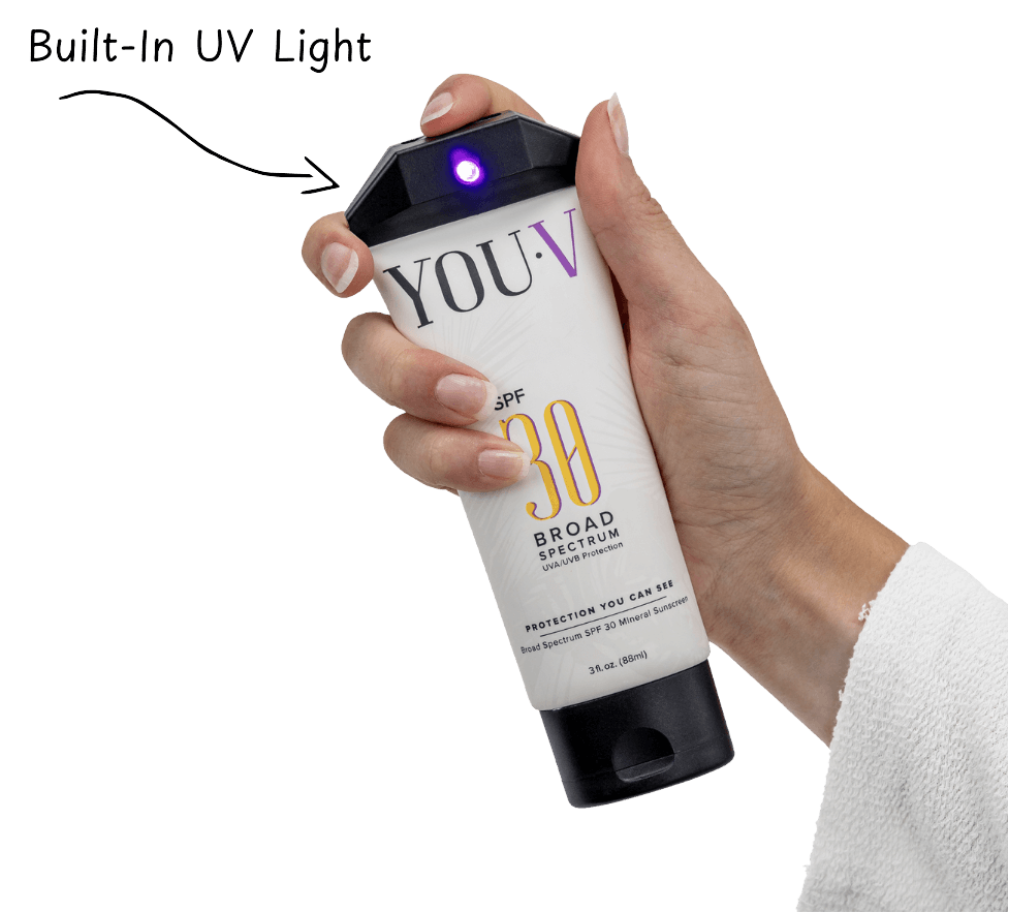
Many people who apply sunscreen struggle with coverage accuracy. Unlike lotions or creams with color, traditional sunscreen is clear once rubbed in, making it difficult to see if all areas, like the ears, scalp, or along clothing lines, are protected. This can result in missed spots, leaving skin vulnerable to UV radiation. What Is YouV [...]

By |2025-08-05T13:35:18+00:00July 29th, 2025|Sun Protection|Comments Off on YouV Sunscreen: The Revolutionary Way to See and Improve Your Sun Protection
Go to Top