Walk down any skincare aisle, or scroll through any K-beauty haul, and you’ll hit a wall of labels: physical, chemical, hybrid, next-gen. They all promise the same basic thing, sun protection, but they get there in very different ways, and that difference matters for how your sunscreen feels, performs, and fits your skin. Let’s break down what’s actually happening in each formula.
Physical (Mineral) Sunscreens
How They Work
Physical sunscreens rely on mineral particles that sit on top of the skin and act like tiny mirrors, reflecting and scattering UV rays before they ever reach living skin cells.
Common Filters in This Category
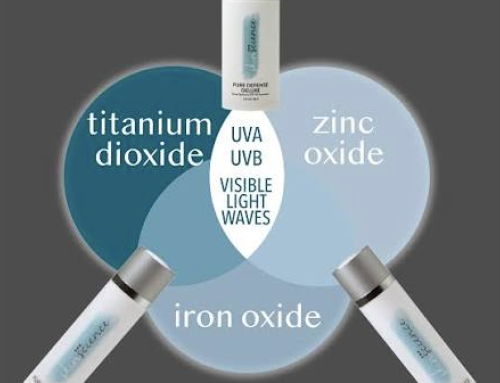
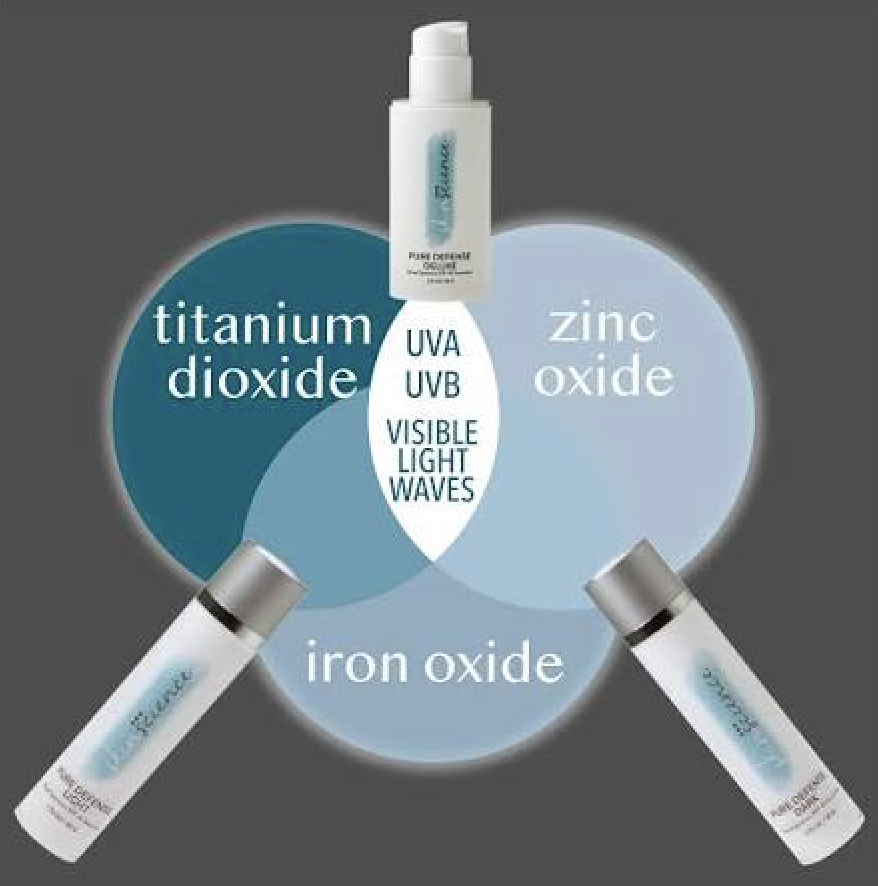
- Zinc oxide
- Titanium dioxide
Pros
- Since these minerals sit on the surface rather than absorbing in, they tend to be the gentlest option for reactive, acne-prone, or rosacea-prone skin.
- Effective the moment they’re applied, with no wait time needed.
- Lower likelihood of stinging around the eyes.
Cons
- Can leave a visible white or gray cast, especially on deeper skin tones.
- Texture can feel thicker or chalkier than other formulas.
Best For
Sensitive skin, rosacea, pregnancy, since many providers recommend mineral filters as the more conservative choice while data on chemical filter absorption continues to be studied, and young children.
Chemical (Organic) Sunscreens
How They Work
Chemical filters are organic compounds that absorb UV radiation and convert it into a small amount of heat, which then dissipates harmlessly from the skin.
Common Filters in This Category
- Avobenzone
- Octinoxate
- Oxybenzone
- Octisalate
- Homosalate
Pros
- Blends into skin like a lotion or essence, with essentially no white cast.
- Lightweight, often cosmetically elegant textures that layer well under makeup.
Cons
- Some older chemical filters can degrade with sun exposure, meaning protection may weaken over the day without reapplication.
- Certain ingredients in this category, like oxybenzone and octinoxate, have been associated with irritation in sensitive skin and eye stinging.
Best For
Oily or combination skin, anyone who dislikes a heavier finish, and those layering sunscreen under makeup.
Hybrid Sunscreens
How They Work
Hybrid formulas combine mineral and chemical filters in one product, pairing the reflective action of physical blockers with the absorptive action of chemical ones.
Common Filter Combinations
Zinc oxide or titanium dioxide paired with chemical filters like avobenzone, octinoxate, or newer triazine-based ingredients.
Pros
- Often achieves a lighter, more cosmetically wearable finish than a pure mineral formula while still calming some of the irritation risk associated with an all-chemical formula.
- The combination can improve overall stability and broad-spectrum coverage, since the two mechanisms work together rather than relying on one alone.
- Tends to reduce, though not always eliminate, white cast compared to 100% mineral formulas.
Cons
- Formulating hybrids well is technically demanding, since mineral particles and organic filters don’t always play nicely together in terms of stability, texture, and pH.
Best For
Combination skin, anyone who wants a middle-ground option between the protective profile of minerals and the wearability of chemical filters, and those who want one product to double as a light makeup base.
Next-Generation UV Filters
This is where things get more interesting. “Next-generation” or “new-age” filters are a newer class of organic UV filters engineered specifically to solve the classic weaknesses of older chemical sunscreens: instability, shorter-lived protection, and inconsistent broad-spectrum coverage.
Common Filters in This Category
- Bis-ethylhexyloxyphenol methoxyphenyl triazine: Tinosorb S, a broad-spectrum triazine filter effective against both UVA and UVB
- Methylene bis-benzotriazolyl tetramethylbutylphenol: Tinosorb M, a benzotriazole-type filter that behaves almost like a hybrid, absorbing UV while also scattering some light like a mineral particle
- Diethylamino hydroxybenzoyl hexyl benzoate: Uvinul A Plus, a dedicated long-wave UVA filter useful against photoaging
- Ethylhexyl triazone: Uvinul T 150, a highly photostable UVB specialist
- Terephthalylidene dicamphor sulfonic acid: Mexoryl SX, a water-soluble, broad-spectrum filter widely used outside the U.S.
- Disodium phenyl dibenzimidazole tetrasulfonate: Neo Heliopan AP, also referred to as Bisdisulizole Disodium, a water-soluble UVA-II filter
- Phenylbenzimidazole sulfonic acid: Ensulizole, a proven, water-soluble UVB filter
- Drometrizole trisiloxane: Mexoryl XL, a silicone-based UVA and UVB filter often paired with Mexoryl SX in French formulas
- Bemotrizinol: Also marketed as PARSOL Shield and chemically the same as Tinosorb S or BEMT. Naming varies by manufacturer.
Why They Stand Out
- Photostability: Unlike some older filters that can degrade under sunlight, these molecules are engineered to hold their structure and keep protecting steadily throughout the day.
- Broad-Spectrum Efficiency: Many cover both UVA and UVB in fewer ingredients, making it easier to hit high SPF and PA ratings without a heavy ingredient list.
- Elegant Textures: These filters tend to dissolve beautifully into lightweight gels and serums, leaving little to no white cast, which is part of why they’re such a staple in Korean, Japanese, and European sunscreen formulas.
- Larger Molecular Structure: Some of these filters are formulated to have a larger molecular size, which is thought to reduce how deeply they penetrate into skin.
The Catch
Many of these filters are approved and widely used in Korea, the EU, Japan, and Australia, but remain unavailable in the U.S. because the FDA’s approval pathway for new sunscreen actives is notoriously slow and expensive. The agency hasn’t cleared a new filter since the late 1990s.
That’s a large part of why so many people seek out Korean, Japanese, or European sunscreens. Brands built around Tinosorb, Uvinul, or Mexoryl filters are a common workaround for accessing this next-generation technology.
So Which One Should You Choose?
There’s no single “best” filter type. It depends on your skin and priorities:
- Sensitive, reactive, or rosacea-prone skin: Physical or mineral
- Oily or combination skin that hates heaviness: Chemical or next-generation filters
- Want a balance of protection and wearability: Hybrid
- Want the most modern, photostable, lightweight option: Next-generation filters, if you can access them
- Pregnant or formulating for young children: Physical or mineral tends to be the more conservative choice
At the end of the day, the best sunscreen is the one you’ll actually wear correctly and reapply consistently. Whichever filter type fits your skin and lifestyle best is the right one for you.