
8 Skincare Myths a Dermatologist Wants You to Stop Believing
Medically reviewed by Jane Yoo, MD, MPP, dermatologist and Mohs surgeon. Last reviewed 11/5/2026.
The short answer: Many popular skincare beliefs are half-true or outdated. Below are eight common ones, each with a short answer.
Myth 1: “Natural ingredients are always gentler.”
Reality: Natural does not mean safe or mild. Essential oils, citrus extracts and some plant ingredients are common causes of allergic reactions. Synthetic ingredients such as ceramides and niacinamide are well tolerated by most people.
Myth 2: “Pores open and close.”
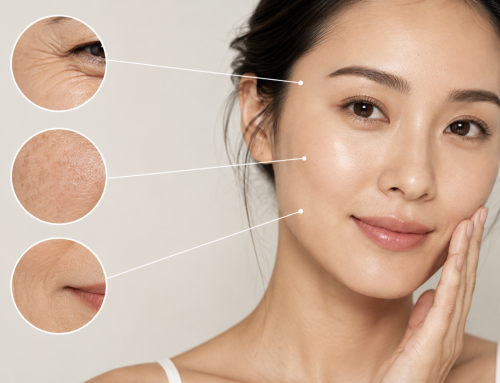
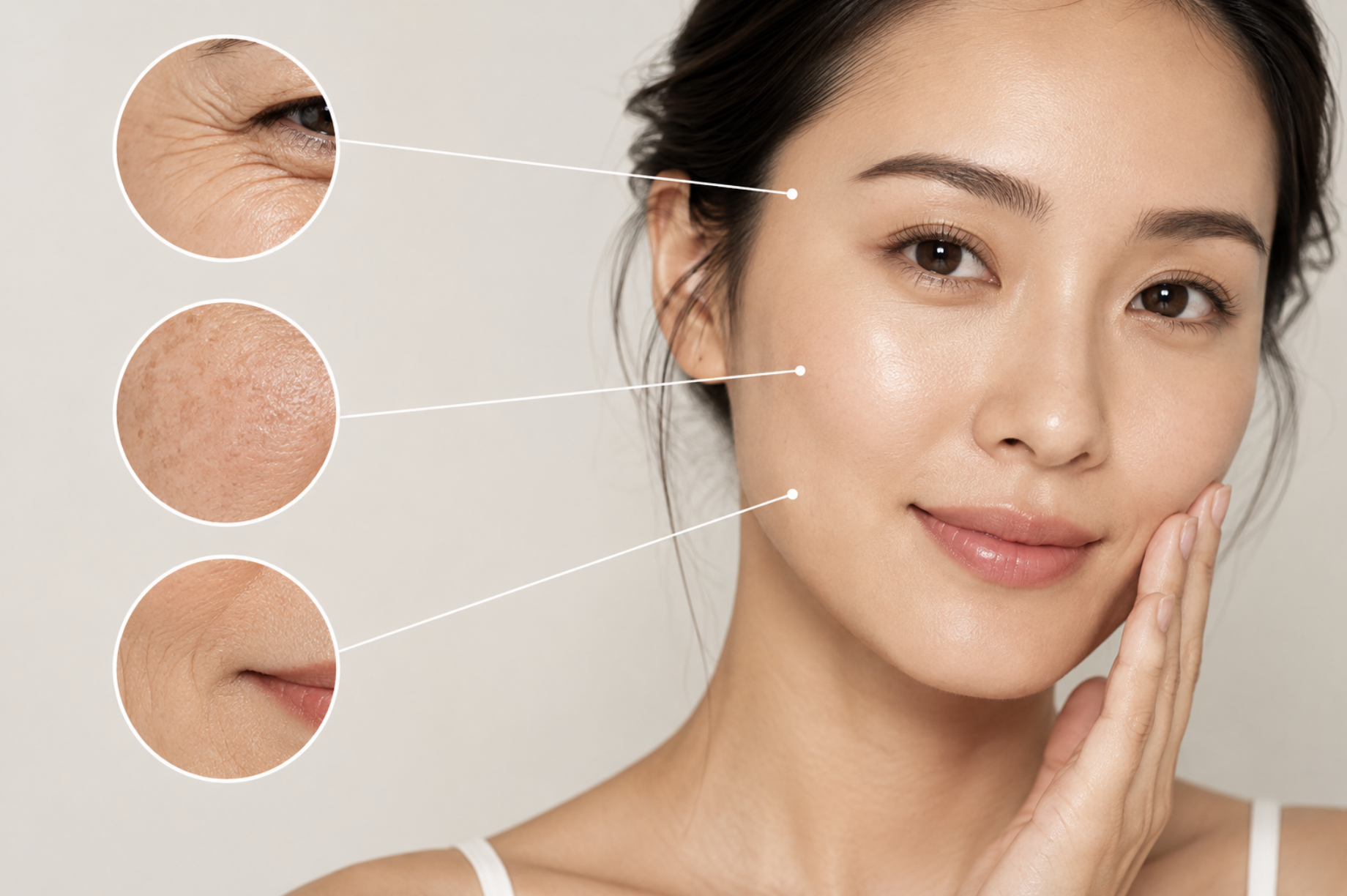
Reality: Pores are not doors. Warm water may make them look different, but you cannot open or shut them. You can keep them clear with a good cleanser and a suitable retinoid or exfoliant.
Myth 3: “A higher SPF means I can stay out all day.”
Reality: Higher SPF protects a bit more against UVB, but it does not last longer. All sunscreens need to be reapplied, roughly every two hours outdoors and after sweating or swimming.
Myth 4: “If it stings, it is working.”
Reality: Stinging and burning are signs of irritation, not results. Persistent irritation can damage your skin barrier and worsen pigment, especially in melasma.
Myth 5: “Oily skin does not need moisturizer.”
Reality: Oily skin can still be dehydrated. A light, non-comedogenic moisturizer supports the barrier and helps if you use acne treatments.
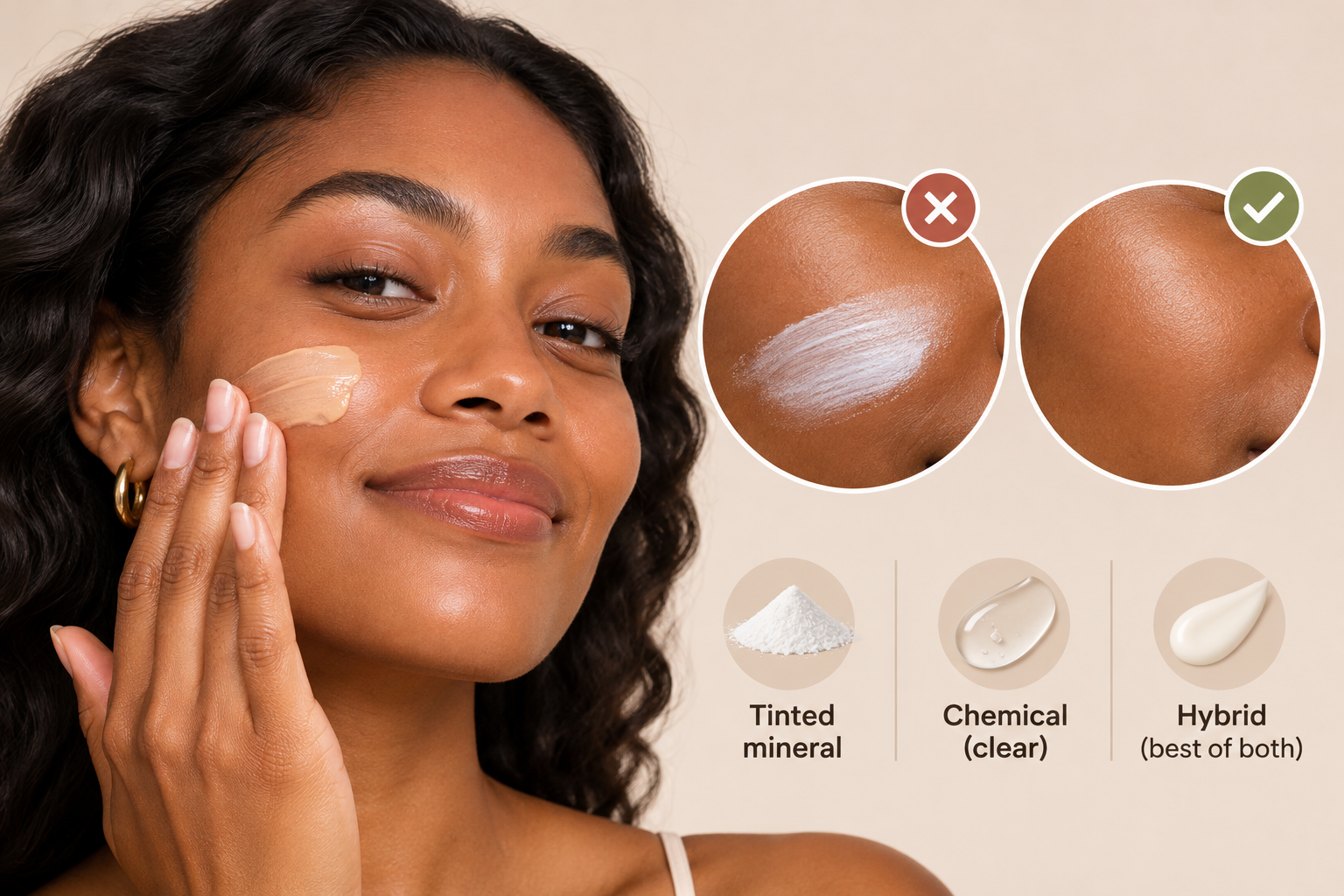
Myth 6: “You do not need sunscreen on cloudy days or indoors.”
Reality: UVA passes through clouds and window glass. If you sit near a window or have melasma, daily sunscreen is worth it.
Myth 7: “More products mean better skin.”
Reality: More products mean more chances to irritate. A simple routine you can keep up usually beats a complicated one.
Myth 8: “Dark skin does not get skin cancer.”
Reality: It can, and it is often found at a later stage. Skin cancer can appear in places such as the palms, soles and under the nails. Everyone benefits from a skin check.
Bonus: “You can shrink pores or erase scars with a cream.”
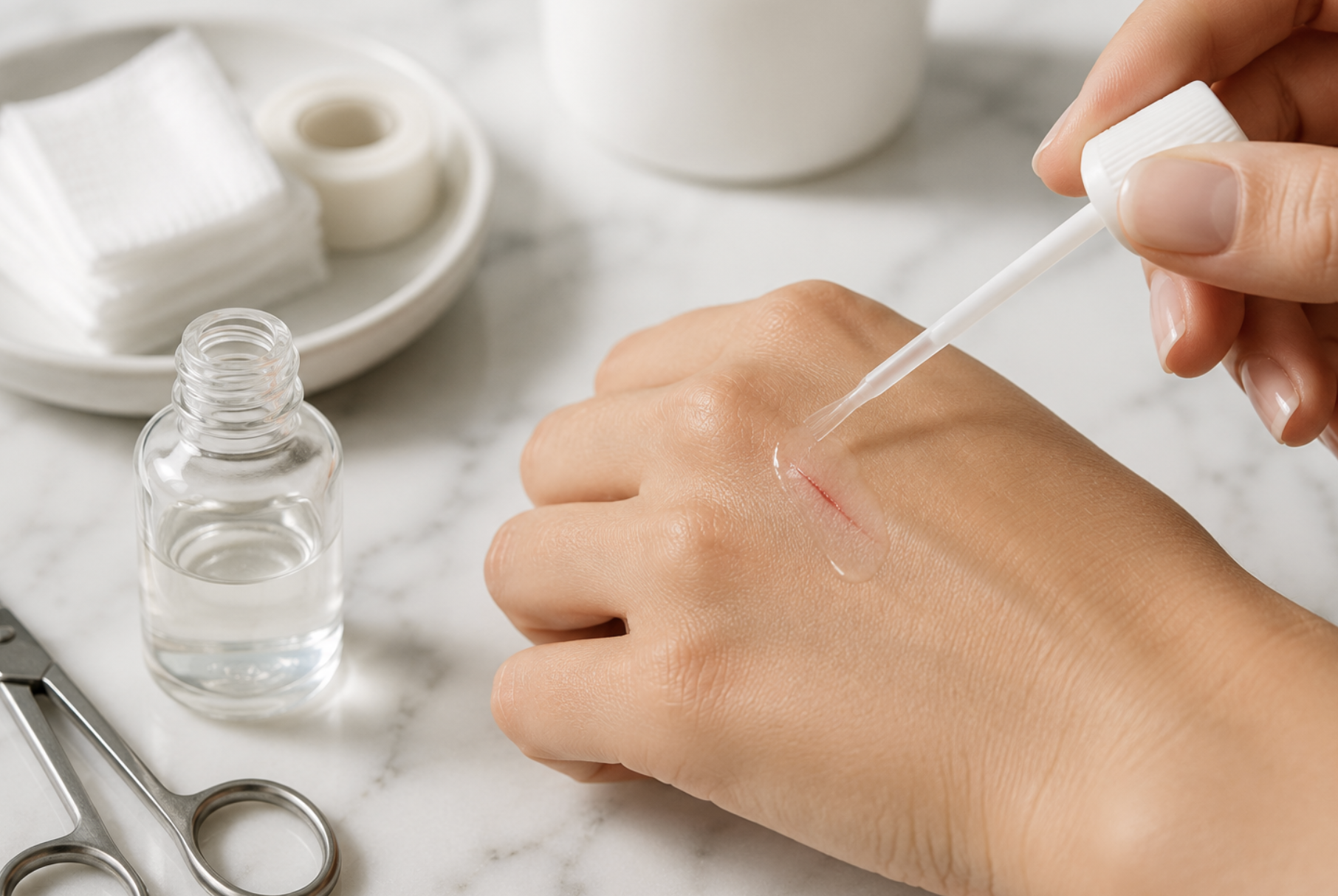
Reality: Creams can improve how skin looks, but scars and enlarged pores often need in-office treatment.
Frequently asked questions
Do I need to see a dermatologist for skincare? Not for basic care. If you have acne, pigment changes, rosacea, eczema, a changing mole, or a sore that does not heal, a visit is worth it.
Is expensive skincare better? Price does not tell you how well a product works. Look at ingredients, evidence and how your skin responds.
How long until a new product works? Many take weeks to months. Change one thing at a time.
Call to action: Need a routine that fits your skin? Book a visit.



Leave A Comment