
“Ozempic face” isn’t a myth or a tabloid term. It’s a real, predictable consequence of rapid fat loss, and understanding why it happens is the first step to knowing what actually helps.
What Is Actually Happening?
GLP-1 medications, such as semaglutide and tirzepatide, can produce fat loss fast enough that skin doesn’t have time to keep pace.
Facial fat pads, the structural volume that keeps skin looking full and supported, shrink. But the skin’s collagen and elastic fibers don’t “shrink-wrap” at the same rate. The result is skin that looks looser, more deflated, or older than it did before the weight loss, even in people who otherwise feel great about their results.
This isn’t unique to GLP-1 medications. It’s the same basic mechanism seen after any rapid, significant weight loss. But because these medications work so quickly, it’s showing up more often, and sooner, than clinicians used to see.
Does Skin Tighten Back on Its Own?
Sometimes, partially. Skin has some capacity to remodel and tighten over months, especially in younger patients with better baseline collagen.
But “sometimes, partially” is doing a lot of work in that sentence. Age, sun damage history, how much weight was lost, and how fast it came off all affect how much natural tightening you can expect.
For most patients with more than mild laxity, skincare and time alone aren’t enough to fully resolve it.
Where Do Energy-Based Devices Fit?
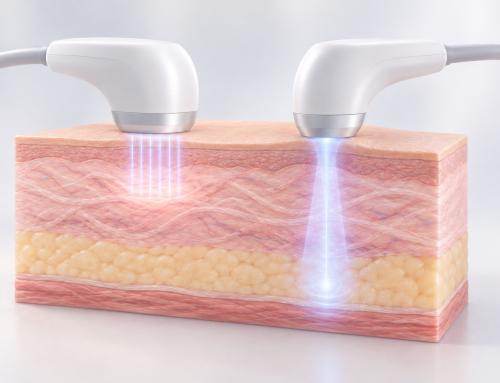
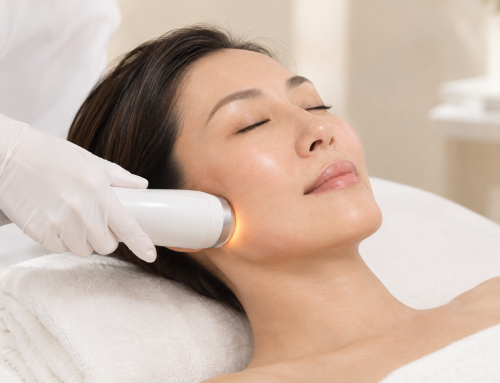
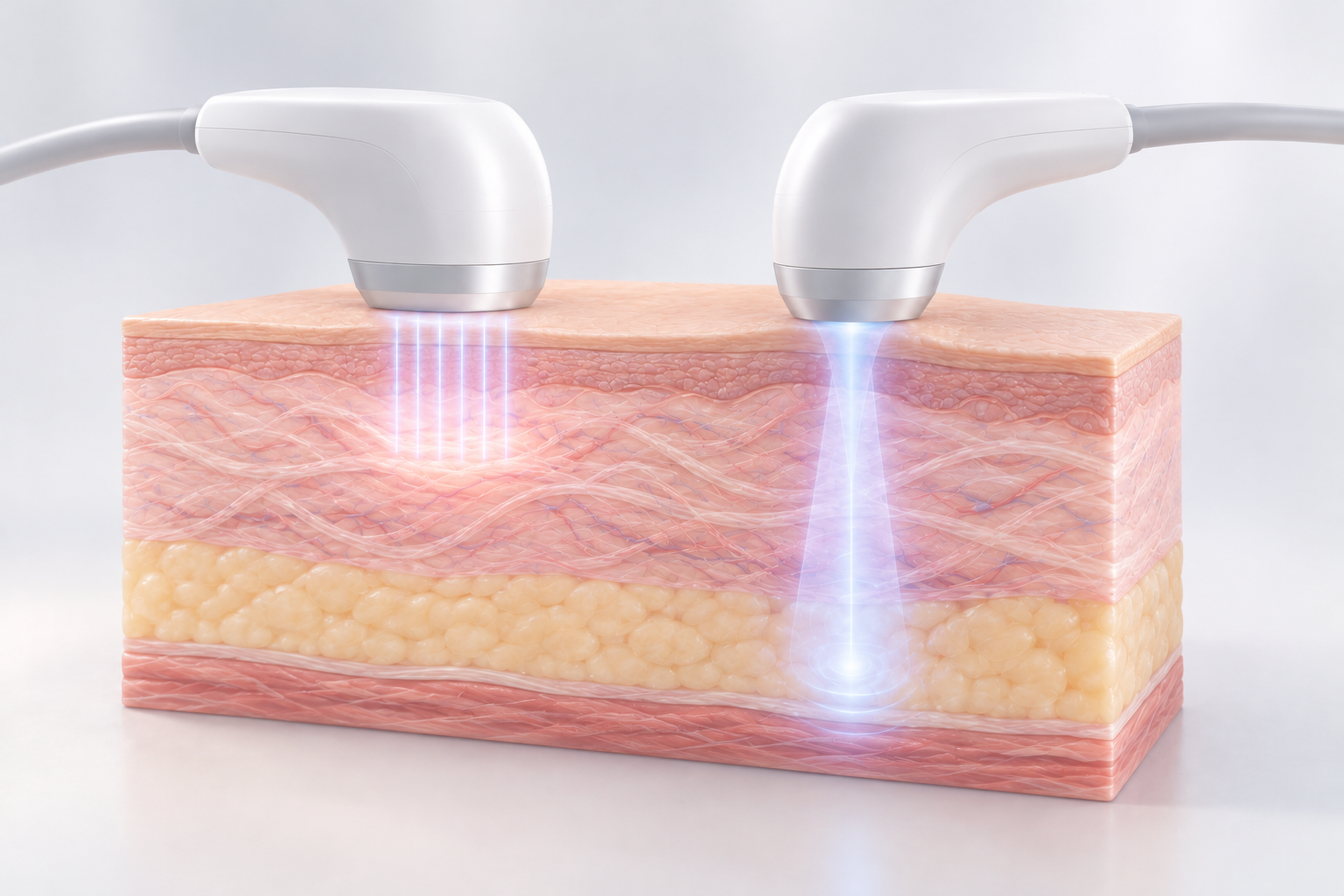
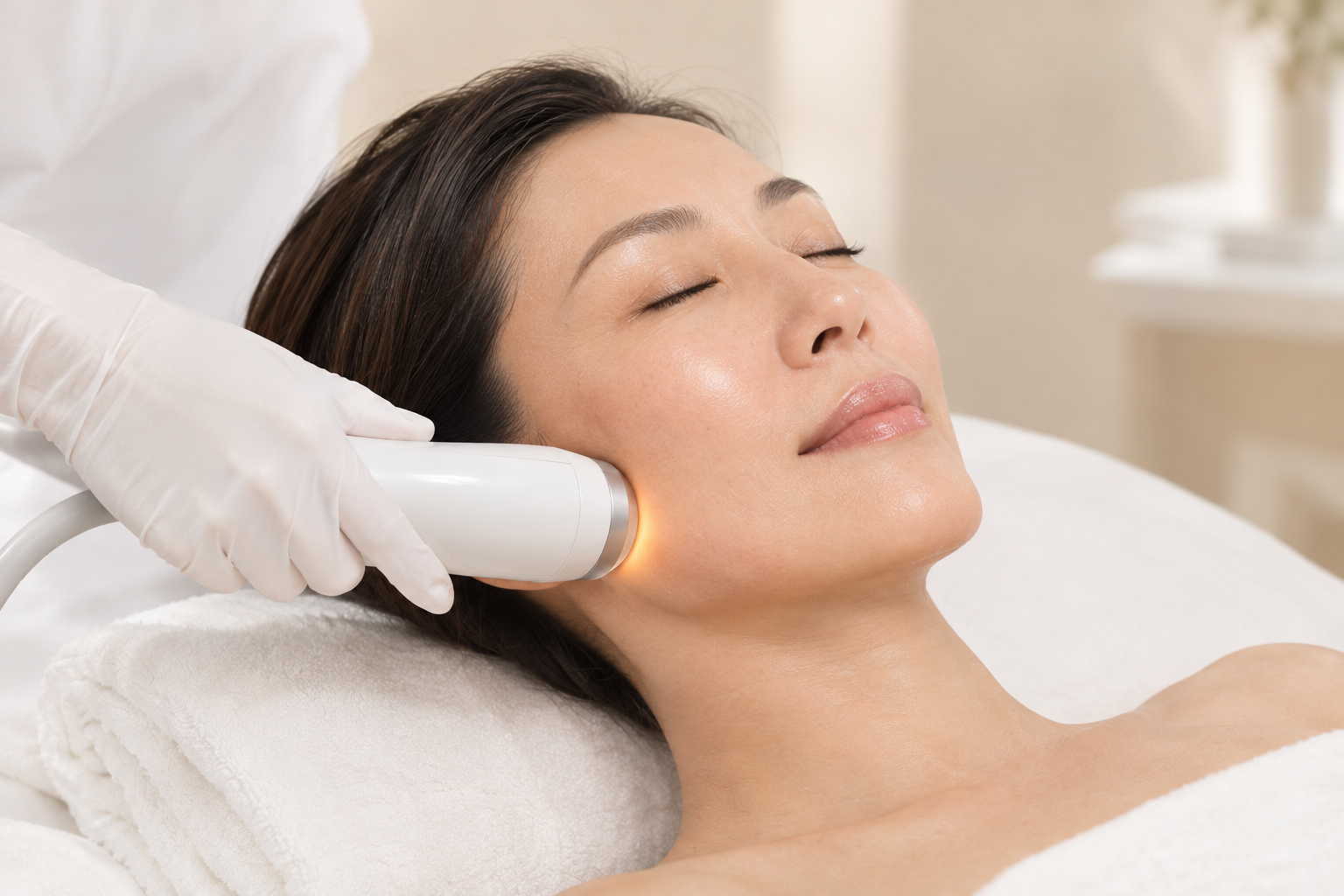
This is where in-office treatment becomes genuinely useful rather than optional polish. I use Everesse, a monopolar radiofrequency device, for patients dealing with accelerated collagen loss related to GLP-1 weight loss, because it targets the collagen remodeling that skin needs more help with at this pace of change.
This isn’t a one-size-fits-all recommendation. The right approach depends on how much laxity you have, where on the face it’s most noticeable, and your overall skin quality. But it’s worth knowing this is a specific, treatable problem, not just something to accept.
What Doesn’t Help Much?
Topical skincare, including retinoids, peptides, and firming creams, can support skin quality in general. But none of it meaningfully reverses structural laxity from rapid fat loss on its own. Setting that expectation upfront saves patients time and disappointment.
When Should You See a Dermatologist?
If it’s been a few months since significant weight loss and you’re waiting to see if things settle, that’s reasonable. Some natural remodeling does happen in that window.
If it’s been six months or more and the laxity hasn’t meaningfully improved, that’s a good point to get an in-person assessment of what’s realistically achievable.
FAQ
Is this different from normal facial aging?
Related, but distinct. Normal aging involves gradual volume and collagen loss over years. GLP-1-related changes happen much faster, which is part of why they can feel more jarring.
Does it reverse if I regain some weight?
Partially, in some patients. Regained volume can soften the look of laxity, but it isn’t a reliable fix or a recommendation, just an observation about why some patients see partial improvement.





Leave A Comment