On May 31, 2026, the European Commission presented a new roadmap outlining steps to phase out animal testing for chemical safety assessments and accelerate the transition toward non-animal approaches.
The initiative is part of a broader effort to modernize how chemicals are evaluated for their potential effects on human health and the environment, while continuing to support rigorous safety standards.
A Roadmap for Non-Animal Testing
The planned transition was set in motion in 2023 following the European citizens’ initiative “Save Cruelty-Free Cosmetics – Commit to a Europe Without Animal Testing.” In 2025, the European Union also passed the Chemicals Action Plan, which included 22 actions intended to further support the gradual replacement of animal testing in chemical safety assessments.
The new roadmap is organized around three major areas. The first includes more than 30 recommendations aimed at replacing, reducing, or refining animal testing for human health and environmental safety assessments.
The second focuses on keeping Europe at the forefront of research and innovation in non-animal testing. The third outlines a framework to help regulators and researchers implement these alternative methods as they continue to develop.
Moving From Research to Regulation
Developing alternatives to animal testing is only one part of the transition. New methods also need to demonstrate that they can reliably assess chemical safety and be incorporated into established regulatory systems.
The European Commission plans to begin implementing the roadmap in collaboration with member states and other stakeholders. A high-level conference is also planned for 2029 to evaluate progress and provide an update on non-animal approaches within relevant European Union legislation.
This is particularly important because replacing established animal testing methods requires not only scientific innovation, but also regulatory confidence that newer approaches can continue to protect human health and the environment.
What This Could Mean for Cosmetics
The roadmap addresses chemical safety broadly, but its implications extend to the cosmetics and personal care industries.
Cosmetic ingredients still require rigorous safety evaluation, and a wider regulatory transition toward non-animal approaches could encourage further development of technologies that better model human biology.
These include advanced cell-based testing systems, engineered human tissue, computational models, and other laboratory methods designed to evaluate how ingredients may behave without relying on traditional animal testing.
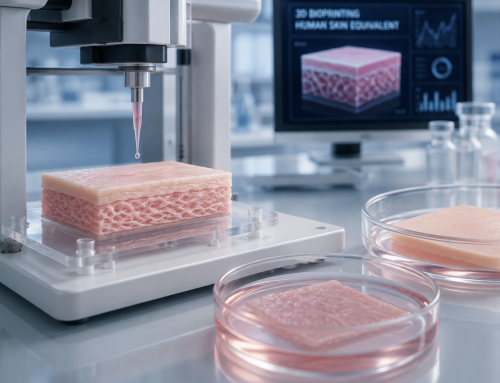
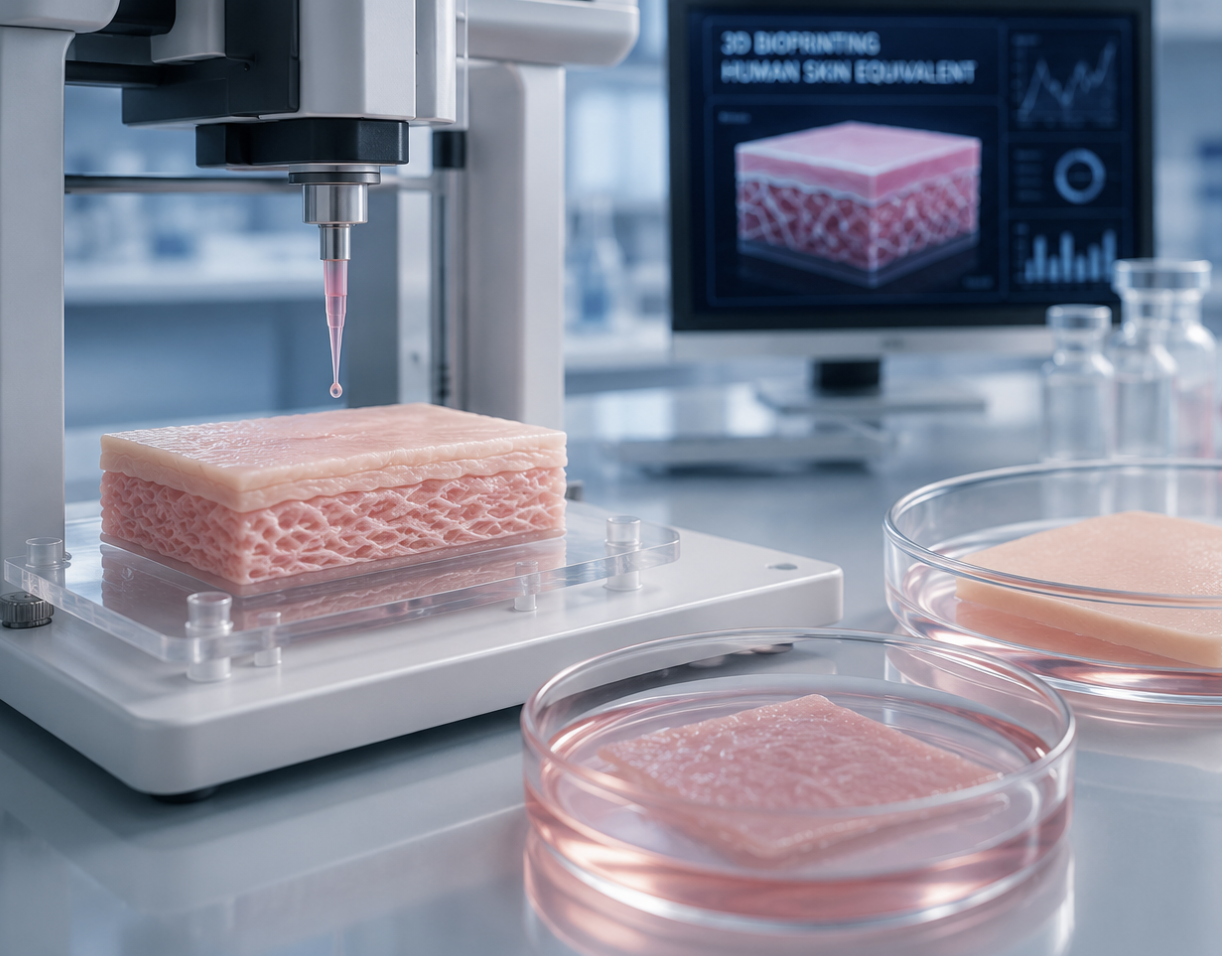
The shift also comes as researchers continue developing increasingly sophisticated alternatives. Technologies such as 3D-bioprinted human skin, for example, could eventually provide researchers with more human-relevant ways to evaluate how cosmetic and pharmaceutical ingredients interact with skin.
What Comes Next
Europe’s roadmap does not mean animal testing will disappear immediately. Instead, it establishes a framework for gradually replacing existing methods as scientifically validated alternatives become available.
The next several years will be important for determining how quickly these technologies can move from research laboratories into routine safety assessments. With the European Commission planning to evaluate progress again in 2029, the transition toward non-animal chemical testing is becoming an increasingly concrete regulatory and scientific goal.
—
References: European Commission To Accelerate Transition Away from Animal Testing in Chemical Safety Assessments