The Truth About Skin Barrier Repair: Ceramides, Slugging, and Prescription Options
Why Your Skin Barrier Is the Most Important Thing You Are Probably Ignoring
In dermatology, we sometimes talk about the skin barrier the way cardiologists talk about cardiovascular health. It is the foundational system that everything else depends on.
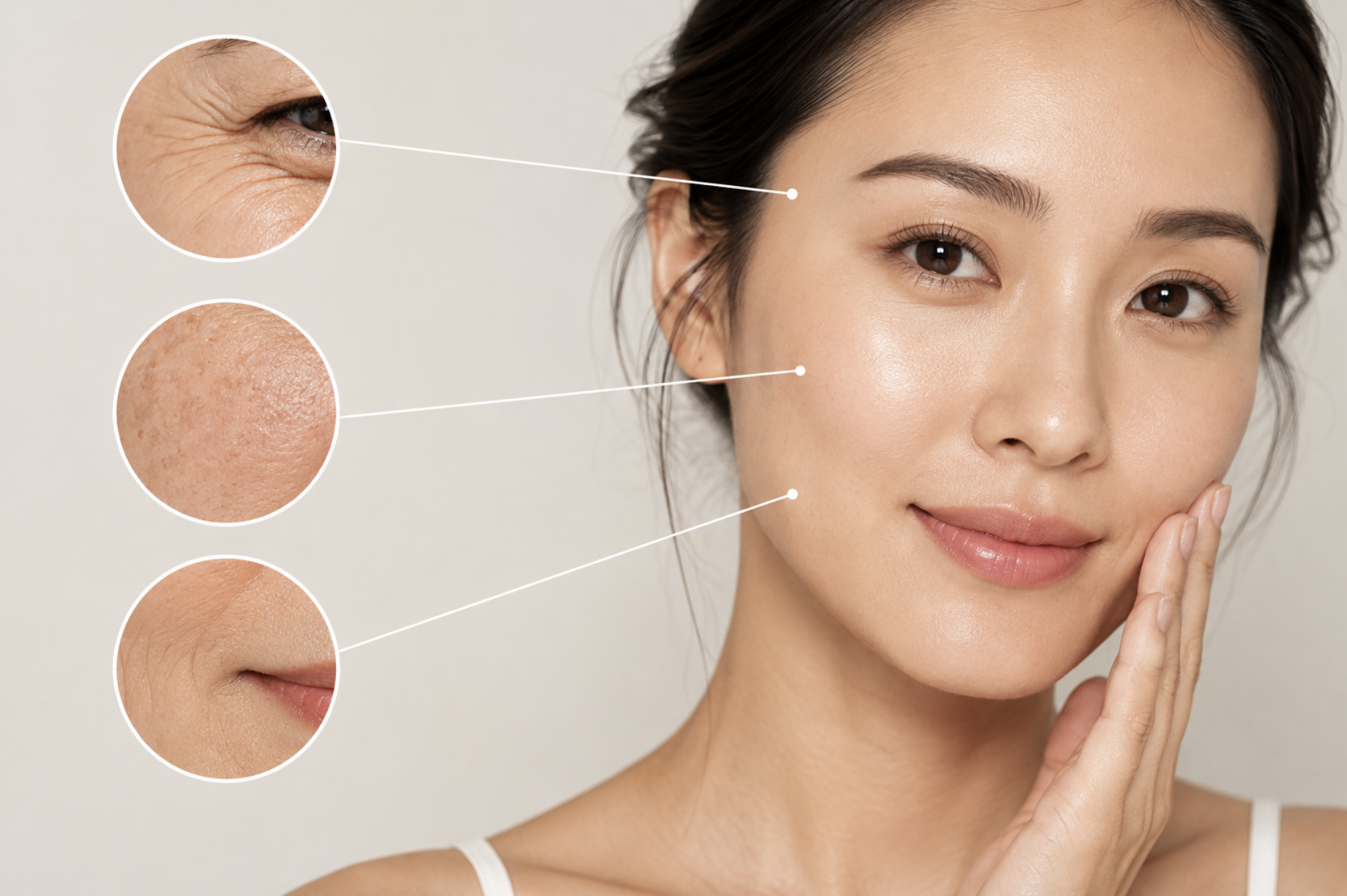
When the barrier is intact, skin is hydrated, resilient, and better protected from environmental stressors. When it is compromised, the downstream consequences can affect almost every aspect of skin health: sensitivity, redness, breakouts, worsening eczema or rosacea, stinging with skincare products, and reduced tolerance for active ingredients.
The skin barrier is mainly located in the stratum corneum, the outermost layer of the epidermis. A helpful way to picture it is like a brick wall.
The “bricks” are corneocytes, which are flattened dead skin cells. The “mortar” is made primarily of ceramides, cholesterol, and fatty acids. This lipid-rich mortar helps prevent water from escaping the skin, a process called transepidermal water loss, or TEWL. It also helps keep irritants, allergens, and pathogens from penetrating too easily.
When that mortar is disrupted, the barrier becomes leaky, reactive, and vulnerable.
What Damages the Skin Barrier?
Understanding what damages the barrier is the first step toward repairing it.
Common offenders include:
- Over-cleansing
- Harsh or high-pH cleansers
- Excessive physical exfoliation
- Too many chemical exfoliants
- Overuse of acids, scrubs, retinoids, or acne treatments
- Low humidity, cold weather, and wind
- UV exposure
- Chronic inflammation from eczema, psoriasis, or rosacea
- Retinoid initiation before the skin has adapted
- Some systemic medications
- Genetic predisposition to barrier dysfunction, including filaggrin mutations in some patients with atopic dermatitis
The social-media-driven skincare culture of the past decade has contributed to a wave of patients with over-treated skin. Layering multiple actives, using high-concentration exfoliants daily, and constantly changing routines can leave the skin sensitized and inflamed.
Too many actives, too often, without enough barrier support, can make the skin look worse than if the patient had done far less.
Signs Your Skin Barrier May Be Compromised
A damaged skin barrier does not always look the same in every patient.
Common signs include:
- Stinging or burning when applying products
- Sudden sensitivity to products you used to tolerate
- Redness
- Flaking or peeling
- Tightness after washing
- Rough texture
- Itching
- Dryness that does not improve with light moisturizer
- Breakouts that worsen with irritation
- Rosacea or eczema flares
Many patients describe their skin as “angry,” “raw,” or “reactive.” That language is often very accurate.
The Science of Ceramides
Ceramides are sphingolipids, a specific class of fatty molecules that make up a large portion of the lipid content of the stratum corneum.
They play a central role in maintaining barrier structure and regulating water retention. In atopic dermatitis, ceramide levels and lipid organization are often abnormal, even in skin that does not look actively inflamed.
This is one reason patients with eczema are more prone to dryness, itching, irritation, and flares. Their barrier is not just inflamed. It is structurally weaker.
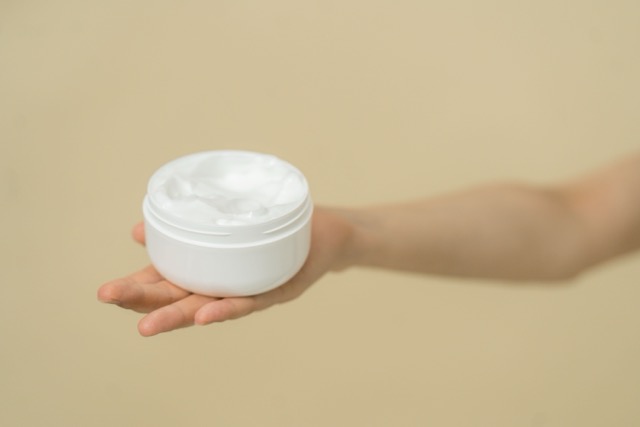
Topical ceramide-containing moisturizers can help support barrier repair. They are especially useful when combined with other barrier lipids, such as cholesterol and fatty acids, because these lipids work together to support the skin’s natural structure.
Not All Ceramide Products Are the Same
A product that lists ceramides on the front label is not automatically a true barrier-repair moisturizer.
Look for formulas that contain:
- Ceramides, such as ceramide NP, AP, EOP, NG, or NS
- Cholesterol
- Fatty acids
- Glycerin or other humectants
- Barrier-supporting ingredients like panthenol, niacinamide, or squalane if tolerated
A moisturizer with several barrier-supporting ingredients is usually more meaningful than a product with one ceramide listed near the very end of the ingredient list.
That said, ingredient lists are only part of the story. Formulation matters. A well-formulated, bland moisturizer that your skin tolerates is better than an impressive ingredient list that burns.
The Slugging Trend: What It Actually Does
“Slugging” means applying a layer of petrolatum, such as Vaseline or Aquaphor, as the last step in a nighttime skincare routine.
The trend became viral through Korean skincare communities and TikTok, but the science behind it is not new. Dermatologists have used petrolatum-based products for barrier protection, wound care, eczema, and post-procedure healing for a very long time.
Petrolatum is an occlusive. It forms a protective layer on the skin that reduces water loss and creates a better environment for barrier recovery.
So does slugging work?
Yes, but with caveats.
Who Benefits Most From Slugging?
Slugging works best for:
- Dry skin
- Sensitive skin
- Compromised skin barrier
- Eczema-prone areas
- Irritated patches
- Skin recovering from overuse of actives
- Low-humidity environments
- Post-procedure healing when recommended by your physician
It can be especially helpful when applied over a moisturizer on slightly damp skin. Petrolatum seals in hydration, but it does not add much water on its own. If you apply it over dry, dehydrated skin without humectants or moisturizer, you may not get the full benefit.
Who Should Be Careful With Slugging?
Slugging is not ideal for everyone.
If you are very acne-prone, heavy full-face occlusion may not be the best choice. Petrolatum itself is generally considered non-comedogenic, but a thick occlusive layer can trap sweat, oil, dead skin cells, and other products underneath it. That can be irritating or breakout-provoking for some patients.
If you have rosacea, perioral dermatitis, seborrheic dermatitis, or active acne, I usually recommend a more targeted approach.
Use petrolatum only on the driest or most compromised areas rather than coating the entire face.
The 2026 Approach: Ceramide First, Slugging Second
For most patients, my approach is not full-face slugging every night.
It is barrier repair first.
Use a gentle cleanser, a ceramide-rich moisturizer, and a simple routine. Then reserve petrolatum for areas that need extra occlusion, such as around the nose, lips, eyelids, hands, or irritated patches.
This approach gives patients the benefit of barrier repair without over-occluding the entire face.
A Simple Barrier Repair Routine
If your barrier is compromised, simplify.
Morning
- Use a gentle cleanser or rinse with water only.
- Apply a bland moisturizer with ceramides or barrier-supporting ingredients.
- Apply broad-spectrum sunscreen.
Night
- Use a gentle cleanser.
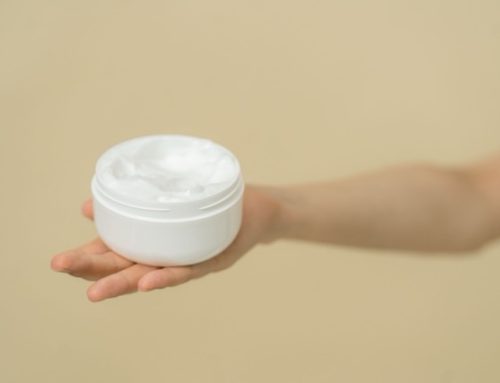
- Apply a barrier-repair moisturizer.
- Apply petrolatum only to dry, cracked, or irritated areas if needed.
- Pause exfoliants, scrubs, strong acids, and unnecessary actives until the skin calms.
- Once the barrier is stable, you can slowly reintroduce retinoids or other active ingredients one at a time.
When to Consider Prescription Options
Over-the-counter barrier repair can be very helpful, but it is not enough for every patient.
If there is an underlying inflammatory condition, you often need to treat that condition directly. Moisturizer supports the barrier, but it may not fully control eczema, rosacea, psoriasis, allergic contact dermatitis, or infection.
Prescription Options for Eczema and Atopic Dermatitis
For atopic dermatitis, prescription options may include topical corticosteroids for short-term flares, topical calcineurin inhibitors such as tacrolimus or pimecrolimus, topical PDE-4 inhibitors, topical JAK inhibitors, or systemic medications for more severe disease.
Topical calcineurin inhibitors can be useful for sensitive areas like the eyelids, face, neck, and skin folds because they do not carry the same skin-thinning risk as topical corticosteroids.
For moderate-to-severe atopic dermatitis, biologic medications such as dupilumab and tralokinumab can be appropriate for selected patients. These medications target inflammatory pathways involved in eczema and have changed the treatment landscape for patients who do not respond to topical therapy alone.
Prescription Options for Rosacea-Driven Barrier Dysfunction
Rosacea is different from eczema, but barrier dysfunction is common in rosacea patients.
For rosacea, prescription options may include topical metronidazole, azelaic acid, ivermectin, or other anti-inflammatory treatments. The goal is to calm the inflammatory trigger while supporting the barrier with gentle skincare.
Patients with rosacea often do best with fragrance-free products, minimal exfoliation, mineral or well-tolerated sunscreens, and a very consistent routine.
When to See a Dermatologist
See a dermatologist if:
- Your skin burns with almost every product
- Redness, itching, or flaking persists despite simplifying your routine
- You have eczema that is not improving with moisturizer
- You suspect rosacea, psoriasis, or allergic contact dermatitis
- You have oozing, crusting, pain, or signs of infection
- Your barrier keeps “crashing” every time you restart actives
- You need help reintroducing tretinoin, acids, or acne treatments safely
A compromised barrier is often fixable, but you need the right diagnosis. Not every red, flaky rash is just “barrier damage.”
What I Tell Patients to Stop Doing
If your barrier is damaged, stop trying to exfoliate your way out of it.
Do not add more acids because your skin feels rough. Do not start a new retinoid because your texture looks worse. Do not keep switching products every three days.
When the barrier is inflamed, the goal is boring skincare.
Gentle cleanser. Moisturizer. Sunscreen. Time.
Once the skin is calm, we can rebuild a more active routine.
The Bottom Line
Skin barrier repair is not a trend. It is foundational dermatology.
Ceramides, cholesterol, fatty acids, humectants, and occlusives all play a role. Slugging can be helpful, but it works best when used thoughtfully and not as a one-size-fits-all solution.
For dry, sensitive, or eczema-prone skin, barrier repair may be the missing piece. For patients with chronic inflammatory conditions, moisturizers are important but may need to be paired with prescription treatment.
The healthiest skin is not the skin using the most products. It is the skin with a strong, calm, resilient barrier.
FAQ
Q: What is the skin barrier?
A: The skin barrier is mainly located in the stratum corneum, the outermost layer of the epidermis. It helps keep water in and irritants, allergens, and pathogens out.
Q: How do I know if my skin barrier is damaged?
A: Common signs include stinging, burning, redness, flaking, tightness, itching, sudden sensitivity, and dryness that does not improve with regular moisturizer.
Q: Do ceramides repair the skin barrier?
A: Ceramides can help support barrier repair, especially when combined with cholesterol, fatty acids, humectants, and occlusive ingredients in a well-formulated moisturizer.
Q: Is slugging good for your skin?
A: Slugging can be helpful for dry or compromised skin because petrolatum reduces water loss. It is best used over moisturizer and may not be ideal as a full-face routine for acne-prone or rosacea-prone skin.
Q: Does Vaseline clog pores?
A: Petrolatum itself is generally considered non-comedogenic, but heavy occlusion can still be too much for some acne-prone patients, especially if layered over irritating or comedogenic products.
Q: What should I stop using if my barrier is damaged?
A: Pause exfoliants, scrubs, strong acids, harsh cleansers, and unnecessary active ingredients. Keep the routine simple until the skin calms.
When do I need prescription treatment?
You may need prescription treatment if you have eczema, rosacea, psoriasis, allergic contact dermatitis, infection, or persistent inflammation that does not improve with gentle skincare and moisturizers.
Can retinoids damage the skin barrier?
Retinoids can temporarily irritate the barrier when started too quickly or used too often. They can usually be reintroduced slowly once the skin is calm.