What Mohs Surgery Is, and When You Actually Need It
The Question I Get Asked Most Often
After a skin cancer diagnosis, the most common question I hear is some version of: “My doctor said I need Mohs surgery. What is that exactly? And do I really need it?”
These are the right questions to ask. Mohs surgery is not the appropriate treatment for every skin cancer. But for the specific cancers and locations where it is indicated, it is one of the most effective and tissue-sparing approaches available.
Understanding when and why Mohs surgery is recommended can help you have a better conversation with your dermatologist and make an informed decision about your care.
What Is Mohs Micrographic Surgery?
Mohs micrographic surgery was developed by Dr. Frederic Mohs in the 1930s and has been refined significantly over time. It is a specialized surgical technique used to remove certain skin cancers.
It differs from standard excision in one fundamental way: the tissue is examined microscopically while the patient waits, layer by layer, until no cancer cells remain at the surgical margins.
In a standard excision, the surgeon removes the visible tumor plus a margin of normal-appearing tissue. The specimen is then sent to a pathologist for later evaluation. If the margins are not clear, a second procedure may be needed.
In Mohs surgery, the surgeon removes the visible tumor and a thin layer of surrounding tissue. That tissue is processed in an on-site laboratory, mapped, stained, and examined under the microscope. If cancer cells remain at the edge, the surgeon knows exactly where they are and removes another thin layer only from that specific area. This process continues until the margins are clear.
The advantage is precision. Mohs surgery allows the surgeon to remove the cancer while preserving as much healthy tissue as possible. This is especially important on the face, where every millimeter matters.
Why Mohs Has Such High Cure Rates
Mohs surgery has very high cure rates because the surgical margins are examined in real time.
Instead of sampling only a small portion of the edge, Mohs evaluates the tissue margin more completely than standard vertical section pathology. This allows the surgeon to track hidden extensions of the tumor and remove additional tissue only where cancer remains.
Mohs is often described as having cure rates up to 99% for certain primary skin cancers, especially basal cell carcinoma. Exact cure rates vary depending on the tumor type, size, location, whether it is primary or recurrent, and how aggressive it looks under the microscope.
The goal is always twofold: remove the cancer completely and preserve as much normal tissue as possible.
Which Skin Cancers Are Treated With Mohs Surgery?
Mohs surgery is used for specific skin cancer types in specific clinical situations. The most common candidates are basal cell carcinoma and squamous cell carcinoma.
Basal Cell Carcinoma
Basal cell carcinoma, or BCC, is the most common type of skin cancer.
Mohs is often preferred for BCCs located on cosmetically or functionally important areas, especially the nose, eyelids, ears, lips, face, scalp, hands, feet, and genitals.
Mohs may also be recommended for BCCs that are:
- Large
- Recurrent
- Aggressive under the microscope
- Infiltrative, morpheaform, micronodular, or sclerosing
- Poorly defined clinically
- Located in an area where preserving healthy tissue is important
- Occurring in an immunocompromised patient
Squamous Cell Carcinoma
Squamous cell carcinoma, or SCC, is another common skin cancer.
Mohs may be recommended for SCCs on high-risk sites such as the face, ears, scalp, lips, hands, feet, and genitals. It may also be appropriate for tumors that are large, recurrent, poorly differentiated, deeply invasive, or associated with perineural invasion, meaning the cancer is tracking along nerve fibers.
Patients who are immunocompromised may also be more likely to need Mohs because their skin cancers can behave more aggressively.
Rare Tumors
Mohs or modified Mohs techniques may also be used for certain less common tumors, such as dermatofibrosarcoma protuberans, microcystic adnexal carcinoma, extramammary Paget disease, and some other rare skin cancers.
These cases are individualized and require careful planning.
What About Melanoma?
Standard Mohs surgery is not the default treatment for most melanomas.
However, modified Mohs techniques, sometimes called staged excision or Slow Mohs, may be used in selected cases, particularly for lentigo maligna or melanoma in situ on cosmetically sensitive areas.
These approaches often use permanent sections and special stains rather than the standard frozen sections used for most basal cell and squamous cell carcinomas.
If you have melanoma, your dermatologist or surgeon should explain why a particular surgical approach is being recommended.
When Mohs Surgery Is Not Necessary
Not every skin cancer needs Mohs. Small, low-risk basal cell carcinomas or squamous cell carcinomas on the trunk, arms, or legs may be appropriately treated with standard excision, electrodesiccation and curettage, or other techniques.
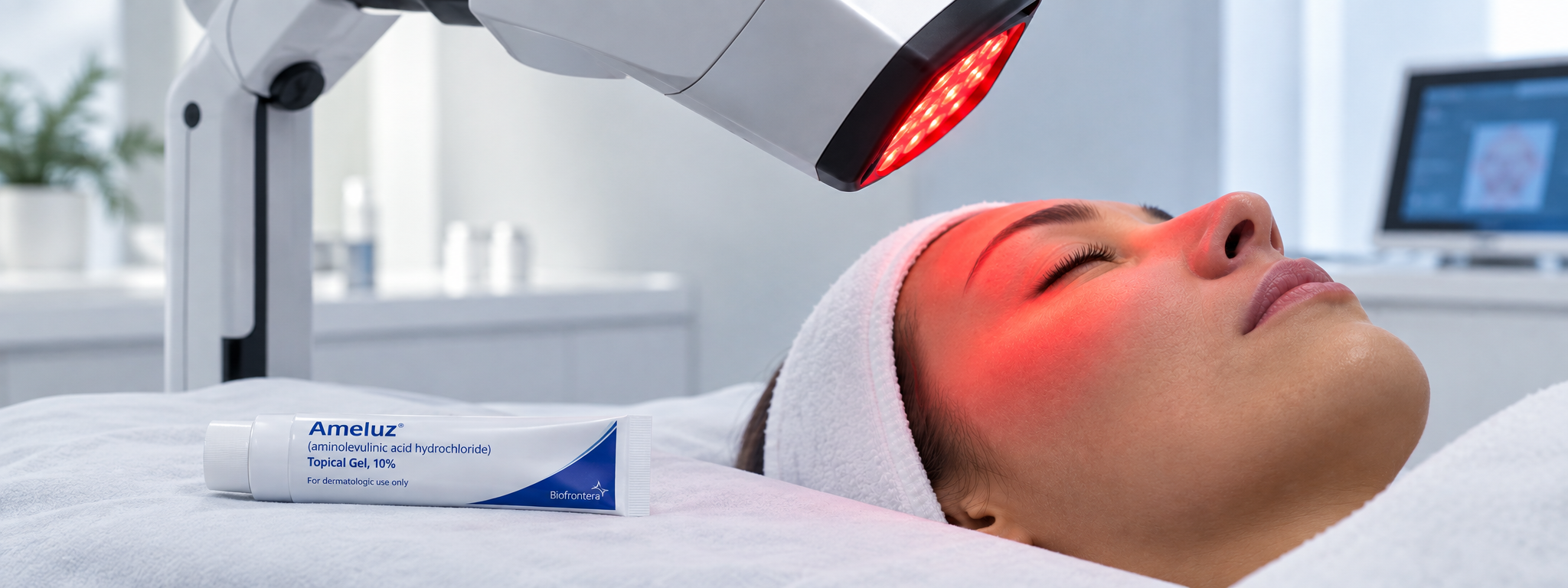
Some superficial basal cell carcinomas may be treated with topical medications or photodynamic therapy in carefully selected patients.
Actinic keratoses, which are precancerous lesions, are not treated with Mohs.
The right treatment depends on the diagnosis, location, size, subtype, patient health, immune status, cosmetic considerations, and risk of recurrence.
A qualified Mohs surgeon or dermatologist should be able to explain why Mohs is or is not recommended in your specific case.
What Mohs Surgery Feels Like
Mohs surgery is usually performed in an outpatient setting under local anesthesia.
Most patients are awake the entire time. The most uncomfortable part is usually the numbing injection, which may sting or burn briefly. Once the area is numb, you should feel pressure, but not sharp pain.
The visible skin cancer is removed first, along with a thin layer of surrounding tissue. A temporary bandage is placed while the tissue is processed and examined.
This waiting period is the longest part of the day. It often takes about 45 to 90 minutes per stage, depending on the office and the complexity of the case.
If the first layer still shows cancer cells at the margin, the surgeon removes another small layer from the precise area where cancer remains. This continues until the margins are clear.
Most skin cancers are cleared in one or two stages, but some require more.
How Long Does Mohs Surgery Take?
Mohs surgery can be unpredictable because the surgeon does not know how far the cancer extends under the skin until the tissue is examined.
Many cases take a few hours total. Some are shorter, and some require much of the day. Patients should plan accordingly, bring something to read, and avoid scheduling important commitments immediately afterward.
The actual time spent removing tissue is usually much shorter than the total appointment time. Much of the visit is waiting while the lab processes and the surgeon examines the tissue.
How Is the Wound Repaired?
Once the cancer is fully removed, the wound is repaired.
Repair options include:
- Letting the wound heal on its own
- Closing the wound with stitches
- Using a flap, which moves nearby skin into the area
- Using a graft, which takes skin from another area
- Coordinating repair with another surgeon for very complex cases
Many wounds are repaired the same day. The best repair depends on the size, depth, location, skin laxity, and cosmetic or functional needs of the area.
For example, a small wound on the cheek may be closed in a straight line, while a wound near the nose, eyelid, or lip may require a more specialized reconstruction.
What Is Recovery Like?
Recovery depends on the size and location of the wound and the type of repair.
Most patients go home the same day with a pressure bandage and written wound care instructions. Bruising, swelling, tightness, and mild discomfort are common. Pain is usually manageable with acetaminophen, unless your surgeon gives different instructions.
Activity restrictions vary, but many patients are asked to avoid strenuous exercise, heavy lifting, bending, or activities that raise blood pressure for at least several days to reduce bleeding risk.
Sutures are usually removed within 1 to 2 weeks, depending on the location and repair.
Scars continue to remodel for months. The early scar is not the final scar.
Why Fellowship Training Matters
Mohs surgery requires expertise in three areas: cancer surgery, microscopic pathology interpretation, and reconstruction.
Not all physicians who perform skin cancer surgery have completed formal fellowship training in Mohs micrographic surgery and dermatologic surgery.
Fellowship training matters because the surgeon must make real-time decisions about where the cancer remains, how much tissue to remove, how to interpret the slides, and how to repair the wound in a way that preserves function and appearance.
When choosing a Mohs surgeon, look for board certification in dermatology and fellowship training in Mohs micrographic surgery or dermatologic surgery.
Questions to Ask Before Mohs Surgery
Before your procedure, it is reasonable to ask:
- What type of skin cancer do I have?
- Why is Mohs recommended for my case?
- Are there reasonable alternatives?
- How long should I plan to be in the office?
- Will you repair the wound the same day?
- What are the possible reconstruction options?
- What restrictions will I have after surgery?
- When will sutures be removed?
- What should I do if I have bleeding or pain after the procedure?
A good surgeon will not be offended by these questions. They are part of informed care.
The Bottom Line
Mohs surgery is a precise, tissue-sparing technique used to treat certain skin cancers.
It is not necessary for every basal cell carcinoma or squamous cell carcinoma. But when a skin cancer is on a high-risk or cosmetically sensitive area, has aggressive features, has returned after prior treatment, or occurs in a higher-risk patient, Mohs can offer very high cure rates while preserving as much healthy tissue as possible.
If your dermatologist recommends Mohs, ask why. The answer should be specific to your diagnosis, tumor location, pathology, and overall risk.
FAQ
Q: What is Mohs surgery?
A: Mohs surgery is a specialized technique for removing certain skin cancers layer by layer while checking the tissue under a microscope until the margins are clear.
Q: Is Mohs surgery painful?
A: The numbing injection can sting briefly, but the procedure itself should not be painful. Most patients feel pressure, not sharp pain.
Q: How long does Mohs surgery take?
A: Many cases take a few hours, but patients should plan for much of the day because tissue processing and microscopic review take time.
Q: Does every skin cancer need Mohs?
A: No. Mohs is most useful for certain basal cell and squamous cell carcinomas, especially those on high-risk sites, aggressive tumors, recurrent tumors, or tumors where tissue preservation matters.
Q: Is Mohs used for melanoma?
A: Mohs is not the standard treatment for most melanomas, but modified Mohs or staged excision may be used in selected cases, especially lentigo maligna or melanoma in situ.
Q: Will I have stitches after Mohs?
A: Many patients do, but not always. Some wounds heal on their own, while others require stitches, a flap, or a graft.
Q: What is the cure rate for Mohs surgery?
A: Mohs has very high cure rates, often described as up to 99% for certain primary skin cancers. Exact cure rates depend on the tumor type, location, size, and whether it is recurrent.
Q: How do I choose a Mohs surgeon?
A: Look for a board-certified dermatologist with fellowship training in Mohs micrographic surgery or dermatologic surgery, especially for tumors on the face or other complex areas.