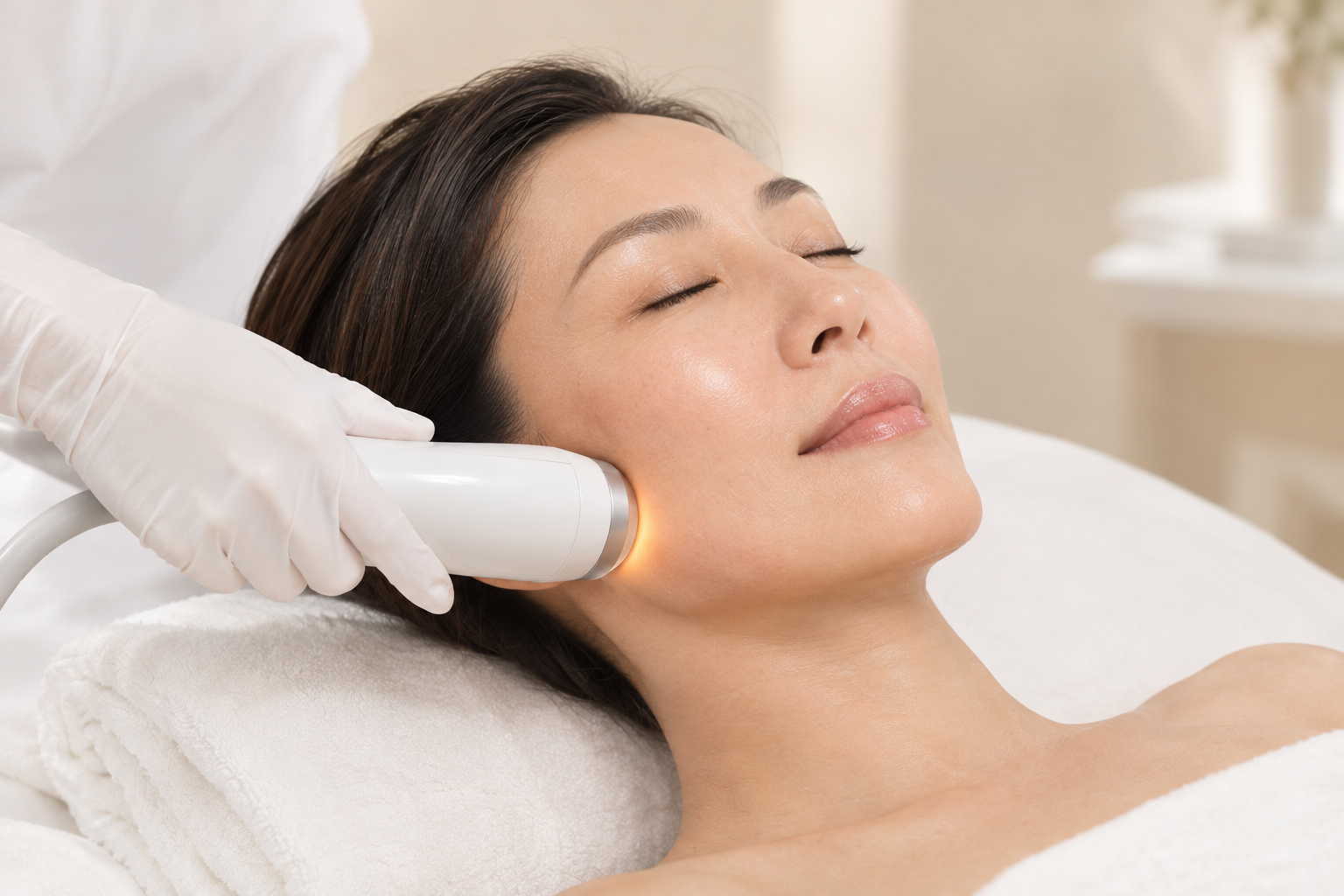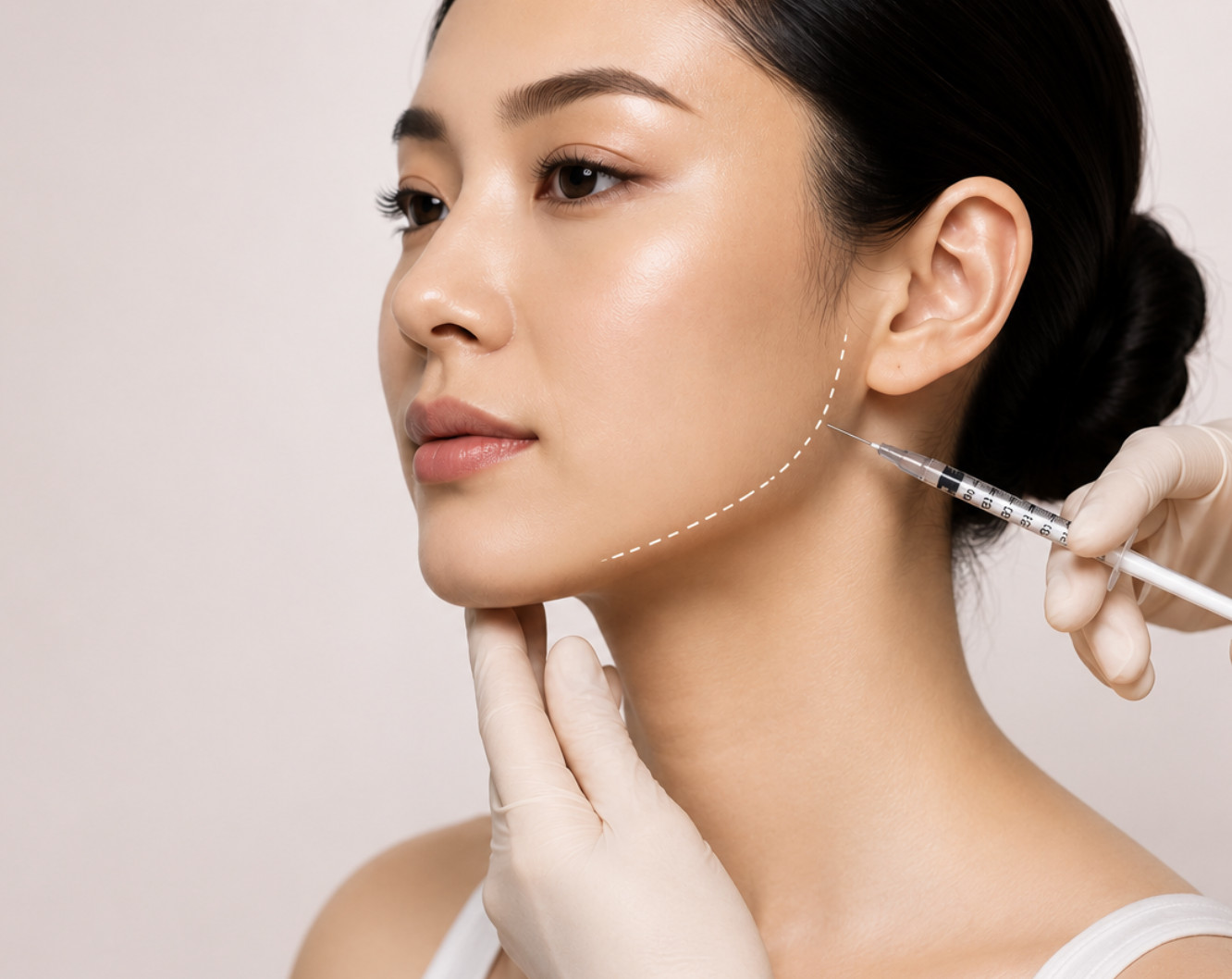
K-Tox, known as “K-Botox,” is a major trend in aesthetic medicine, driven by Korean innovation in injectable neurotoxins like Letybo. While treatments like Letybo deliver refined, natural-looking results and reflect the unique “glass skin” ideals of K-Beauty, there is also a risky surge in at-home injections using unregulated products like Innotox.
What Is K-Tox and How Is It Different?
- K-Tox refers to Korean-made neuromodulators such as Letybo, which use botulinum toxin type A, the same active ingredient as traditional Botox, but formulated with advanced purification that gives a lighter, softer finish.
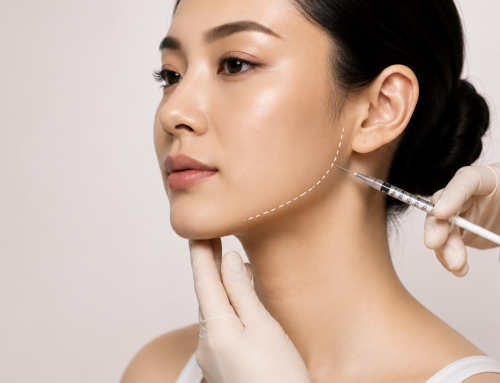
- The Korean approach emphasizes subtle, natural-looking results that enhance the skin’s smoothness rather than “freezing” facial expression, favoring the dewy “glass skin” effect. This is achieved by injecting microdoses superficially into the skin, not just the muscles.
- Letybo, the top neurotoxin in Korea, is now FDA-approved in the U.S. and is especially popular with first-time users or those who want precision and gentle improvement without downtime.
The Craze and Innovation
- K-Tox is trending as it offers visible results within days, minimal recovery, and a less intimidating entry point for newcomers to injectables, patients want a refreshed look that avoids an “overdone” or frozen appearance.
- In Korea, smaller doses and affordable treatments encourage clients to seek subtle enhancements and focus on texture, pore minimization, and natural movement instead of just wrinkle reduction.
The Risks of At-Home Innotox Injections
- Innotox, another Korean neurotoxin, is not FDA-approved for use in the U.S. but has become popular for DIY self-injections bought online due to lower cost and pre-mixed convenience.
- Experts report people are learning to inject themselves from social media, often in unsafe or incorrect ways.
- Without medical training, self-injection can lead to serious risks: nerve or muscle injury, infection, facial droop or paralysis, and even life-threatening breathing complications. Unregulated products may be counterfeit, contaminated, or improperly stored, potentially causing irreversible damage.
- Even genuine neurotoxin requires a deep understanding of anatomy and dosing, with minute errors leading to months of deformity or extensive correction costs.
Key Safety Message
- While Korean innovation like Letybo is transforming injectables with sophisticated, patient-friendly results, any injectable neurotoxin, including K-Tox, should only ever be administered by licensed medical professionals in a clinical setting.
- The social media-fueled DIY trend around at-home Botox may appear innovative, but the risks may outweigh any savings or convenience.