In October 2025, the FDA issued a safety communication about radiofrequency microneedling, commonly known as RF microneedling. The agency cited reports of serious complications, including burns, scarring, facial fat loss, disfigurement, nerve damage, and injuries requiring medical or surgical treatment.
What Is RF Microneedling?
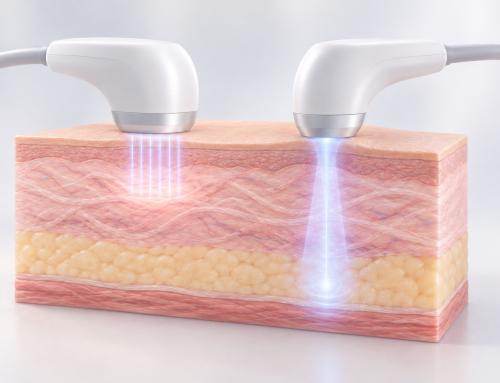
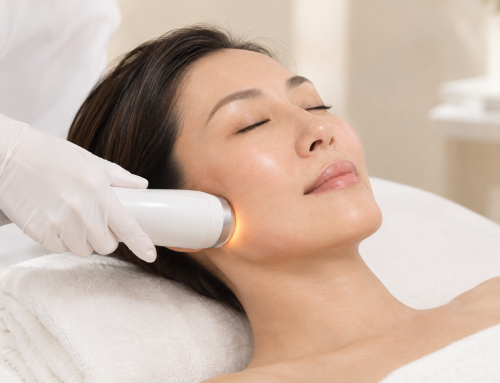
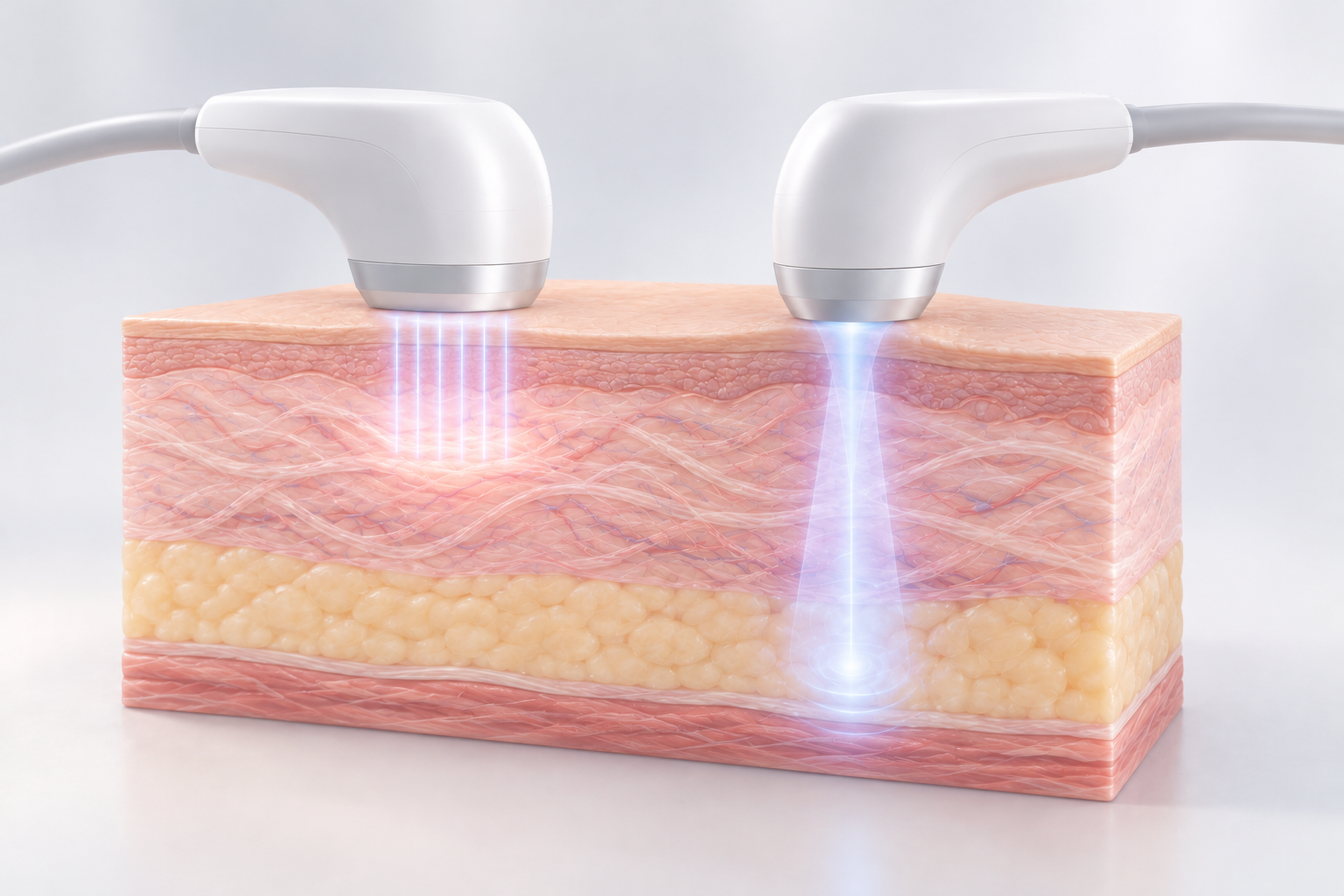
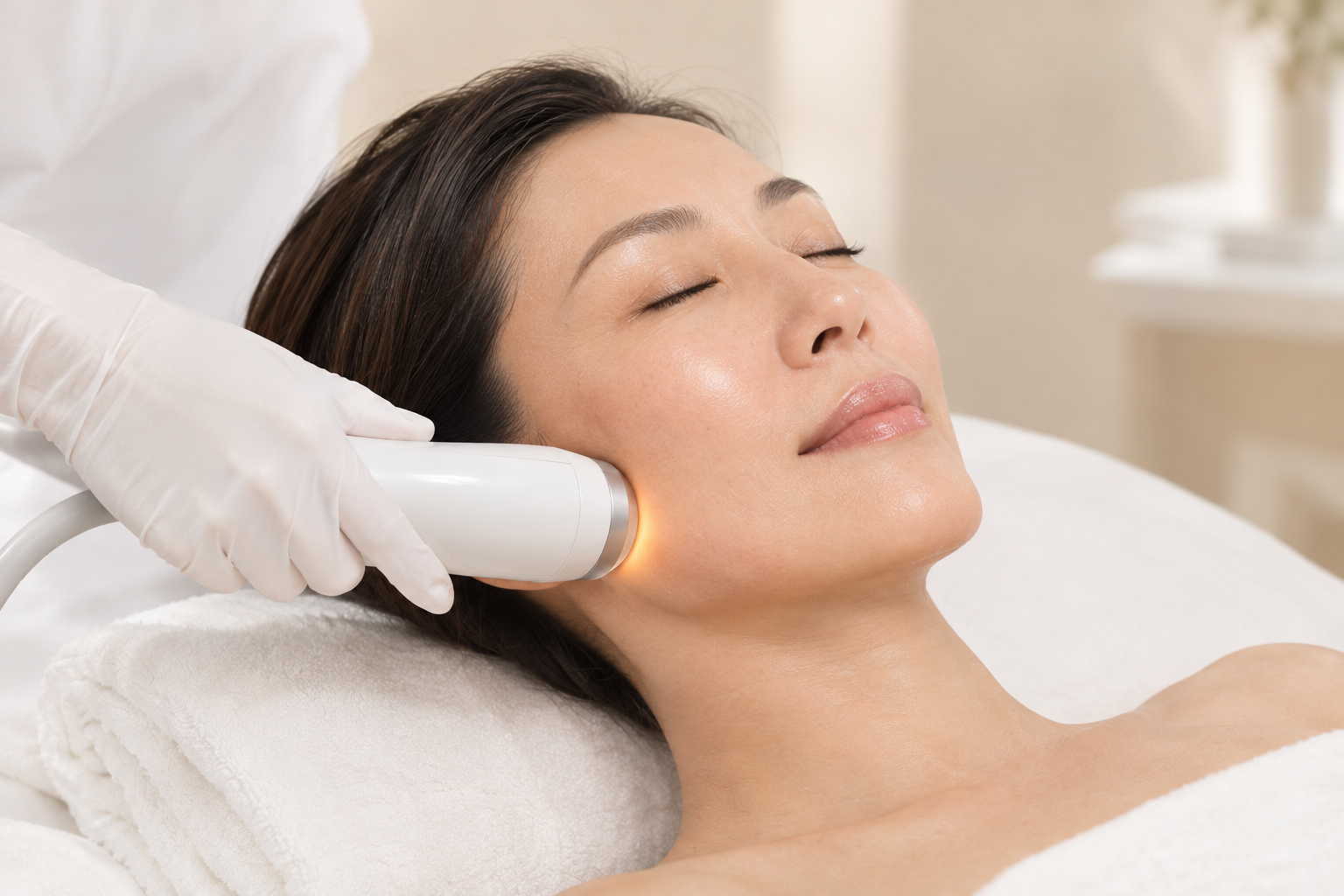
RF microneedling uses small needles to create controlled punctures in the skin while delivering radiofrequency energy beneath the surface. The heat is intended to stimulate collagen remodeling and improve concerns such as:
- Acne scars
- Fine lines
- Uneven texture
- Skin laxity
These devices must receive FDA clearance before being marketed for medical use in the United States.
What Did the FDA Warning Say?
The FDA confirmed that serious adverse events have occurred but did not disclose how many cases were reported, which devices were involved, or what prompted the communication.
The agency did not state that RF microneedling is inherently unsafe. However, the warning reinforces that it is a medical procedure requiring proper patient selection, device settings, needle depth, and knowledge of facial anatomy.
Incorrect technique or excessive energy can cause burns, scarring, fat loss, or injury to deeper structures.
Provider Training Matters
The FDA recommends choosing a licensed healthcare provider with specific RF microneedling training. Before treatment, ask:
- Which device will be used?
- Is it FDA cleared?
- How often does the provider perform the procedure?
- What settings are appropriate for your skin type and treatment area?
- What complications should you watch for?
A qualified provider should explain the benefits, limitations, and risks before proceeding.
Avoid At-Home RF Microneedling
The FDA also advised against performing RF microneedling at home. Devices sold online may cause serious injury when used without medical training or an understanding of skin anatomy and radiofrequency energy.
Professional oversight is an important safeguard against burns, infection, scarring, nerve damage, and unintended fat loss.
When to Contact Your Provider
Temporary redness, swelling, tenderness, or pinpoint bleeding may occur after treatment. Contact your provider promptly if you develop:
- Severe or worsening pain
- Blisters, burns, or open sores
- Increasing redness, swelling, or drainage
- Numbness or weakness
- Worsening discoloration
- Unexpected facial hollowing or volume loss
The Bottom Line
RF microneedling can improve skin texture, acne scars, fine lines, and laxity, but it carries real risks. The FDA warning highlights the importance of choosing a licensed, properly trained provider, confirming that an FDA-cleared device is being used, and avoiding at-home treatments.
References:
- Ault A. “FDA Warning on RF Microneedling Side Effects Short on Specifics.” Medscape Medical News.