
Melasma Treatment: What Works, What Backfires, and How to Keep It Under Control
Medically reviewed by Jane Yoo, MD, MPP, dermatologist and Mohs surgeon. Last reviewed 11/04/2026.
The short answer: Melasma is a common pigment condition that causes brown or gray-brown patches, usually on the cheeks, forehead and upper lip. It is driven by sun, visible light, heat and hormones in people who are prone to it. It can be controlled but rarely cured, so the best plans combine strict sun and visible-light protection, topical treatments and carefully chosen in-office procedures. The wrong treatment, especially heat or aggressive laser, can make melasma darker.
What melasma is
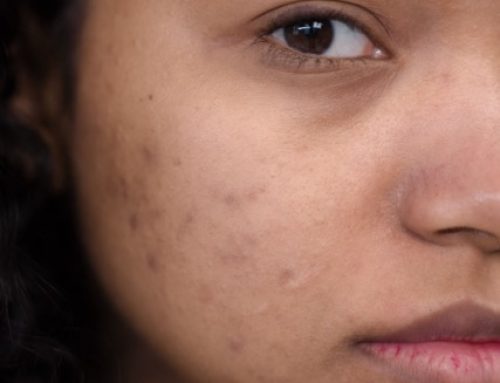
Melasma happens when pigment-producing cells are overactive in certain areas of the skin. It is more common in women and in people with medium to deeper skin tones. Triggers include UV and visible light, heat, pregnancy, hormonal medicines, and in some people certain skin products that irritate the skin.
Step 1: Protect from light and heat
This is the foundation of every plan. Without it, other treatments fail or relapse quickly.
- Daily broad-spectrum sunscreen, ideally tinted with iron oxides to help block visible light. [Link to Post 1 and Post 15.]
- A wide-brimmed hat and shade
- Minimizing heat exposure where possible, such as hot yoga or cooking over a hot stove with the face close to the heat
- Reapplying sunscreen outdoors
Step 2: Topical treatments
Your dermatologist may use some combination of:
- Hydroquinone, a skin-lightening agent, usually used for limited periods under supervision
- Azelaic acid
- Tretinoin or other retinoids
- Vitamin C and other brightening ingredients
- Prescription combination creams
Some of these can irritate the skin, and irritation can worsen pigment. Use them as directed.
Step 3: Oral options
In selected patients, a dermatologist may discuss oral tranexamic acid. It is not right for everyone, including people with a history of blood clots or certain other conditions, so it needs a medical review.
Step 4: In-office treatments
| Option | What it is | Notes |
|---|---|---|
| Gentle chemical peels | Lightly exfoliate the skin | Strength must be chosen carefully to avoid irritation |
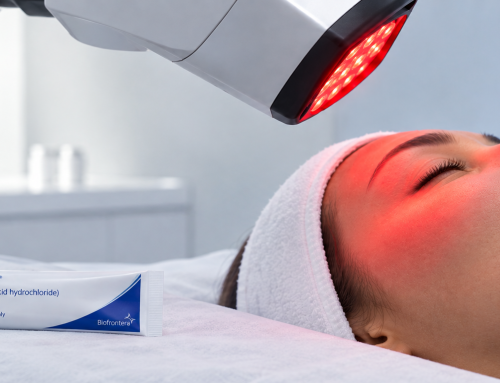
| Low-energy laser approaches | Low-fluence, gentle laser settings | Technique and settings matter. Can improve or worsen melasma |
| Picosecond laser | Very short laser pulses for pigment | Used selectively. |
| Microneedling with brightening agents | Tiny channels for topical delivery | Choose carefully and avoid excess heat or irritation |
Heat is a trigger. Aggressive lasers, intense light and high-energy devices can darken melasma. This is why melasma is best managed by a dermatologist who treats pigment in many skin types.
What to avoid
- Picking, scrubbing or aggressive exfoliation
- Waxing or other treatments that inflame the skin
- Unsupervised bleaching creams or imported lightening products
- Skipping sunscreen on cloudy days or indoors near windows
- Treatments from providers who do not examine your skin or discuss your skin type first
Why melasma comes back
Melasma tends to relapse because the underlying tendency remains. A long-term maintenance plan, with sun protection and a low-irritation routine, is part of the treatment.
How a dermatologist builds your plan
- Confirm the diagnosis. Other pigment conditions can look similar.
- Identify triggers: medications, hormones, heat, light, skin products.
- Start with protection and topicals.
- Add oral or in-office treatment if appropriate.
- Re-evaluate every few months and adjust.
Frequently asked questions
Can melasma be cured? It can usually be improved and controlled, but it tends to return without ongoing care.
Does pregnancy cause melasma? Hormone changes during pregnancy can trigger it. It may fade afterward, but not always.
Is laser safe for melasma? It depends on the type of laser, the settings, and the person. Some approaches can worsen it.
How long does treatment take? Improvement is gradual, often over months.
Is melasma dangerous? No, it is not a health risk. But it can affect confidence, and any new or changing dark spot should be checked.
Call to action: Book a melasma consultation for a plan that fits your skin.







Leave A Comment