
“Glass skin” often gets treated like a 10-step shopping list. It isn’t. The term describes three things happening at once: an intact skin barrier, real hydration, and even tone. You can chase products for years without addressing any of them.
The trend has been around long enough that it’s worth looking at what it actually takes, dermatologically. Here’s what creates that clear, luminous look, which parts of a routine earn their place, and where skincare alone stops working.
What Glass Skin Actually Means, Dermatologically
The “glass” look, smooth, luminous and almost reflective, comes from light bouncing evenly off the skin. That only happens when the surface has minimal texture and the tone underneath is consistent.
Three things make that possible. A healthy barrier matters most, because a compromised barrier scatters light unevenly and tends to look dull or reactive rather than luminous. Adequate hydration in the outermost layer of skin, the stratum corneum, plumps fine texture so the surface reads as smooth. And even pigmentation matters too, since melasma, post-inflammatory marks, and uneven tone all break up that reflective quality.
None of these require 10 products. They require the right few, used consistently.
Where the Trend Came From
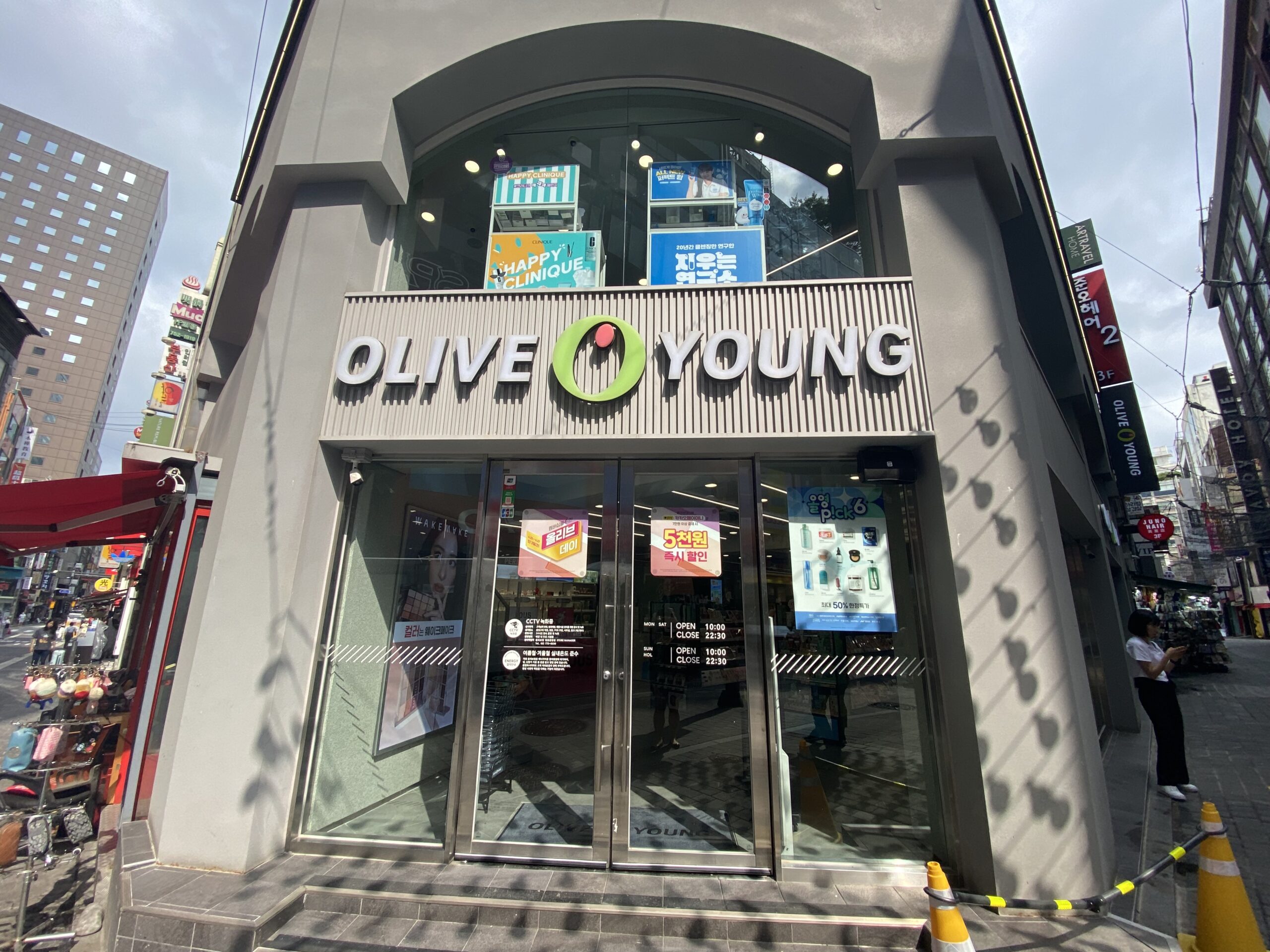
Clear, flawless skin has long been part of Korean beauty ideals. The modern “glass skin” term took off in the 2010s through K-pop, K-dramas, and Korean skincare brands, then spread globally on Instagram and TikTok as creators shared detailed multi-step routines.
Part of its appeal is that it puts healthy, radiant skin ahead of heavy makeup. That focus on skin itself is a big reason the trend has lasted, and why it’s worth getting the science right.
The Glass Skin Routine, Step by Step
A glass skin routine works best when it’s built around those three goals rather than a product count. Five steps cover it.
1. Cleanse gently. Use a cleanser that doesn’t leave skin tight or squeaky. Over-cleansing is one of the most common reasons people can’t get barrier-dependent results like this.
2. Hydrate. A lightweight, humectant-forward essence or toner adds water to the skin. This is where many K-beauty essences genuinely earn their reputation.
3. Treat. This is where actives go: a retinoid, a brightening agent, or a barrier-repair ingredient. Choose based on what your skin actually needs, not what’s trending.
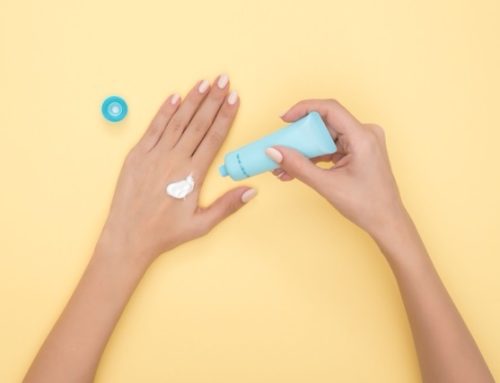
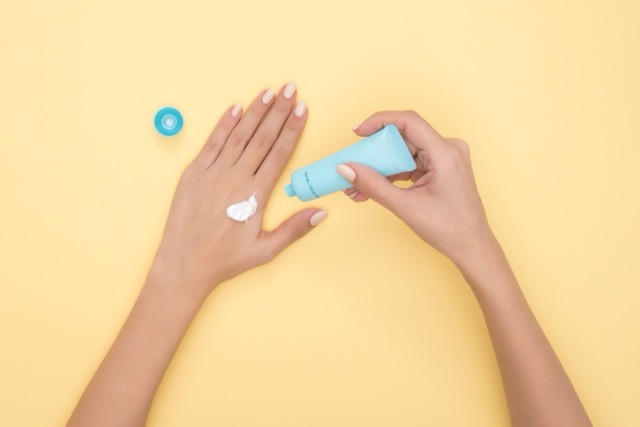
4. Moisturize. A moisturizer seals in the hydration from earlier steps. Don’t skip it, even if your skin feels oily.
5. Wear SPF every day. This step is non-negotiable. Sun damage is the fastest way to undo even tone, and it works against everything else in the routine.
Where K-Beauty Ingredients Actually Fit
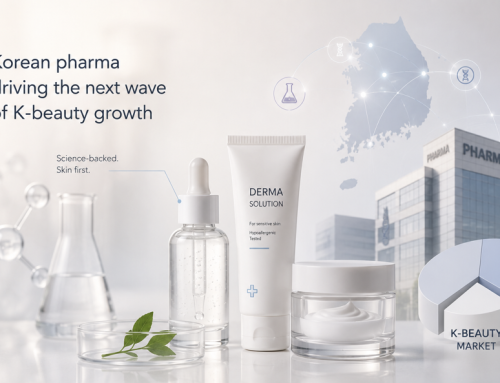
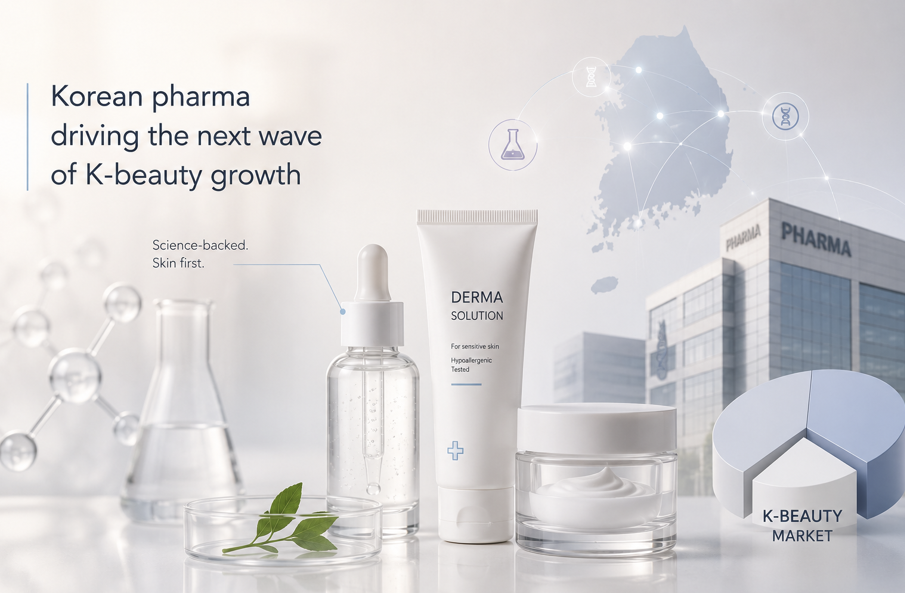
Ingredients like PDRN, snail mucin, and centella asiatica have real barrier-support and hydration data behind them. They aren’t pure marketing.
But they’re supporting players, not the mechanism. The mechanism is barrier health plus hydration plus even tone. These ingredients are one way to get there, not the only way, and a simple routine with well-chosen basics can get you to the same place.
What Social Media Doesn’t Show You
The glass skin you see online is often helped along by filters, flattering lighting, and editing. Real skin has texture and pores, and that’s normal.
Results also depend on factors no routine controls, including genetics, skin type, and environment. And more steps don’t automatically mean better skin. For many people, a simplified routine works just as well, and is easier to stick with.
What Glass Skin Can’t Fix
Some concerns need more than a routine. Texture from acne scarring, enlarged pores, and deeper pigmentation usually don’t resolve with skincare alone.
This is where in-office treatment closes the gap, such as pico laser for tone or microneedling for texture. If your skin has more going on than a routine can address, a consultation is a natural next step.
Frequently Asked Questions
Is glass skin realistic for oily or acne-prone skin?
Yes, with adjustments. The same principles of barrier health, hydration, and even tone still apply. But product textures and actives need to suit oily skin, rather than copying a routine built for dry skin.
How long does it take to see results?
Barrier repair and hydration improvements can show within a few weeks. Evening out tone, especially when pigmentation is involved, takes longer, and that’s often where in-office treatment speeds things up.
What’s the difference between glass skin and dewy skin?
Dewy skin usually describes a moist, glowing finish that can come from products sitting on the surface. Glass skin goes further: it describes skin that looks smooth, clear, and even underneath that glow.
Do I need a 10-step routine?
No. Five well-chosen steps (cleanse, hydrate, treat, moisturize, and SPF) cover what glass skin actually requires. More steps can even backfire if they irritate the barrier.
Glass skin is a lovely goal, but it’s best understood as a sign of healthy, well-cared-for skin rather than a finish to chase with more products. Focus on the barrier, hydration, and protecting your tone, and keep expectations realistic for your own skin.




Leave A Comment