Glutathione has become a buzzword in skincare and wellness circles, marketed everywhere from IV drip bars to whitening supplements. But it is not a trendy new discovery. It is a molecule your body makes and relies on every day.
Here is what glutathione actually is and what the research says about its potential skin benefits.
What Is Glutathione?
Glutathione is a small molecule made of three amino acids:
- Cysteine
- Glutamate
- Glycine
It is produced naturally by the body and plays a central role as one of its most important antioxidants. Glutathione helps protect cells throughout the body, including those in the liver, lungs, and skin, from oxidative damage.
Glutathione levels naturally decline with age and may decrease further with smoking, heavy alcohol use, or certain health conditions.
Why Is Glutathione Linked to Skin Lightening?
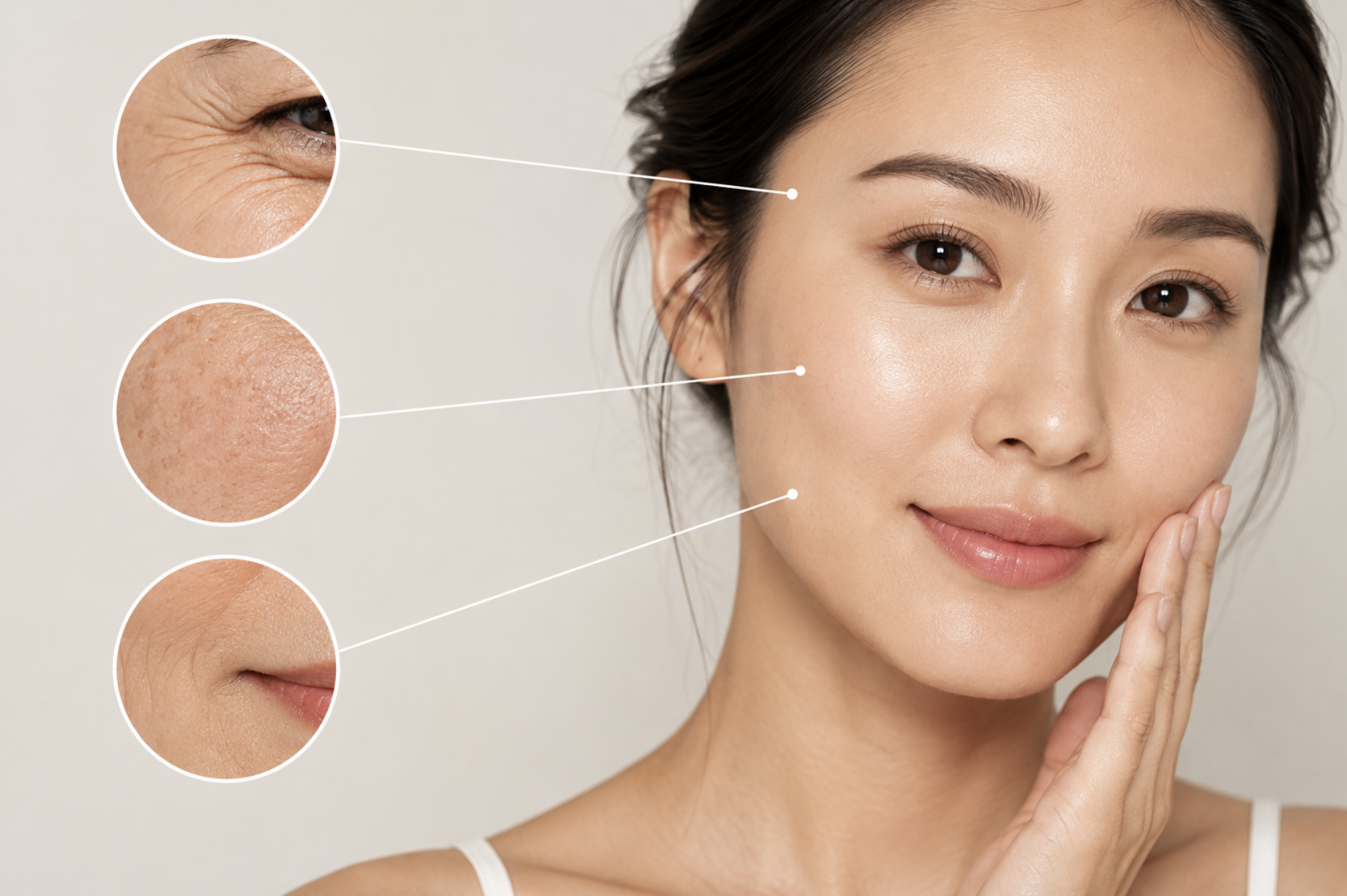
Glutathione’s popularity in dermatology centers mainly on its potential effect on pigmentation.
It appears to inhibit tyrosinase, a key enzyme involved in melanin production. It may also shift melanin synthesis toward a lighter type of pigment. This proposed mechanism is behind its use as a skin-brightening or depigmenting ingredient in topical and oral products.
Beyond pigmentation, researchers have also studied glutathione’s antioxidant role in:
- Reducing oxidative stress
- Supporting collagen-related processes
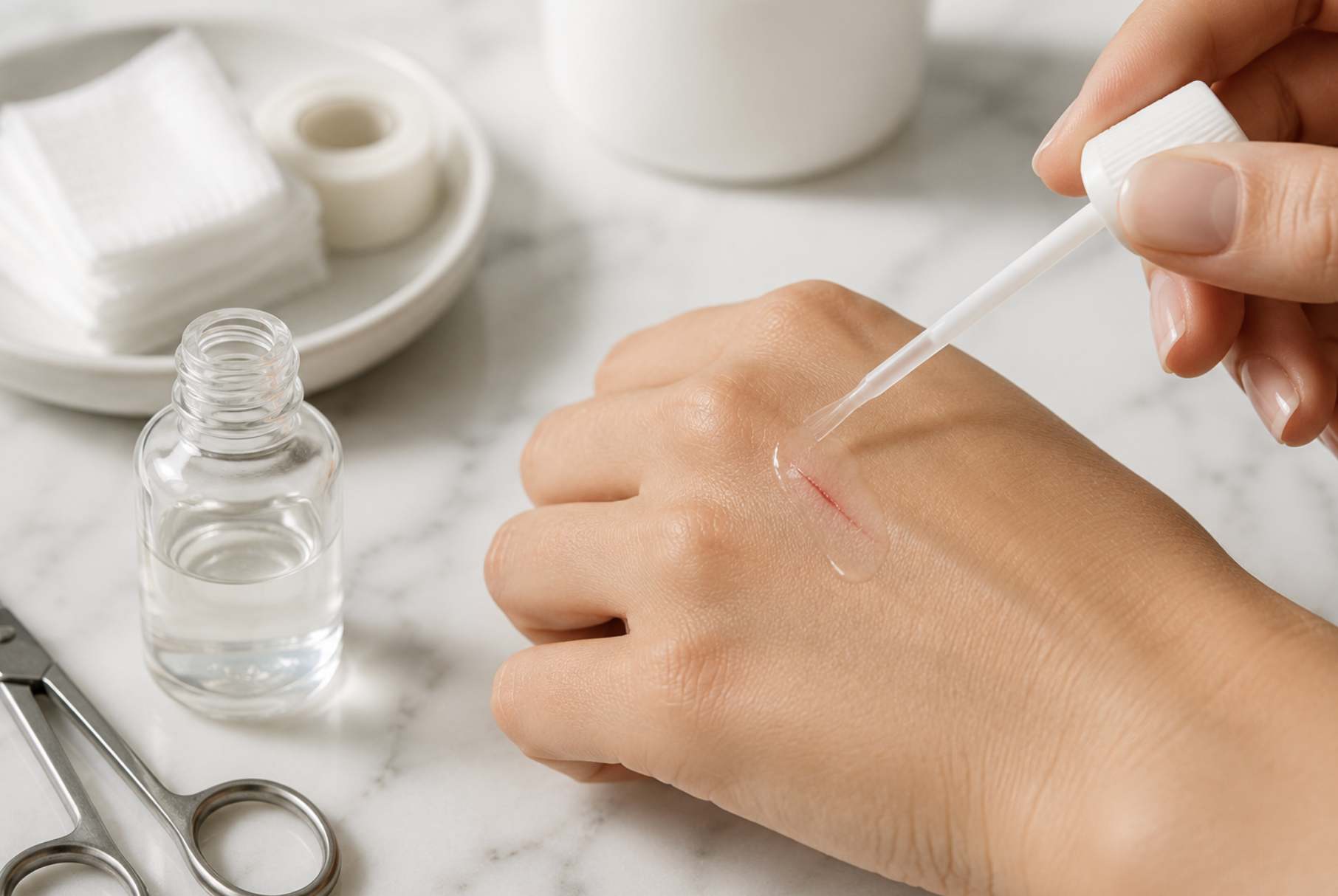
- Promoting wound healing
- Protecting cells from free radical damage
However, the research supporting these benefits is more limited than the research focused on pigmentation.
What Does the Evidence Show?
Clinical trial results are mixed but not entirely without merit.
Some randomized, placebo-controlled studies have found that oral or topical glutathione modestly reduced melanin index and improved skin brightness over several weeks.
Other reviews describe the results as inconsistent. Outcomes may vary based on:
- Dose
- Formulation
- Duration of use
- Method of delivery
- Individual response
Large-scale, long-term clinical trials are still limited, so glutathione should not be considered a guaranteed or well-established skin-lightening treatment.
Why the Delivery Method Matters
Not all forms of glutathione carry the same potential benefits or risks.
Topical Glutathione
Topical glutathione is included in some brightening serums and creams. It is generally considered reasonably well tolerated, although its absorption and effectiveness may vary by formulation.
Oral Glutathione
Oral supplements are widely available and are generally considered reasonably safe for many people. However, absorption can vary, and research has not established a standard dose or predictable cosmetic result.
Intravenous Glutathione
Injectable or intravenous glutathione is sometimes offered in aesthetic clinics for skin lightening, but it carries significantly more concern.
Regulatory bodies, including the FDA and health authorities in other countries, have issued warnings about unapproved injectable glutathione use. Reported risks have included:
- Kidney dysfunction
- Thyroid dysfunction
- Severe skin reactions
- Allergic reactions
- Complications related to unregulated or improperly prepared injections
Current evidence does not support intravenous glutathione as a safe, established cosmetic treatment for skin lightening.
What to Know Before Trying Glutathione
Glutathione supplements are available over the counter, but supplements are not reviewed by the FDA for safety and effectiveness in the same way as prescription drugs. Product quality, purity, and dosage may vary between brands.
Glutathione is generally considered well tolerated, but allergic reactions and side effects are possible. There is also not enough research to fully determine its potential interactions or long-term effects, especially with prolonged use.
Anyone considering glutathione, particularly for skin lightening, should speak with a healthcare professional first.
The Bottom Line
Glutathione is an antioxidant naturally produced by the body that plays an important role in protecting cells from oxidative stress.
Its possible effect on melanin production has made it popular as a skin-brightening ingredient, but the clinical evidence remains mixed. Topical and oral forms may provide modest benefits for some people, while intravenous glutathione is not considered an established or reliably safe cosmetic treatment.