Perimenopause and menopause bring a long list of well-known symptoms, including hot flashes, mood shifts, and sleep disruption. What gets discussed far less is what happens to the skin during this transition.
As estrogen levels decline, the skin undergoes real, measurable changes. The personal care industry has gradually started responding with products designed specifically for this life stage. Dove’s Women’s Wellness Range, launched in 2025, is one example worth understanding, both for what it offers and for the broader skin science behind it.
What Actually Happens to Skin During Menopause?
Estrogen plays a larger role in skin health than many people realize. It supports collagen production, helps the skin retain moisture, and contributes to a healthy skin barrier.
As estrogen production declines during perimenopause and menopause, several changes may follow.
Increased Dryness
The skin produces less natural oil, which can leave it feeling tighter, rougher, or more prone to irritation than it did previously.
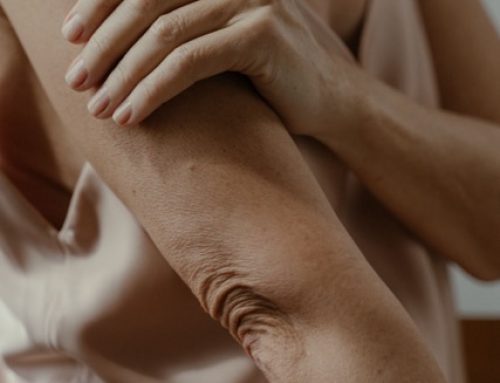
Thinning and Reduced Elasticity
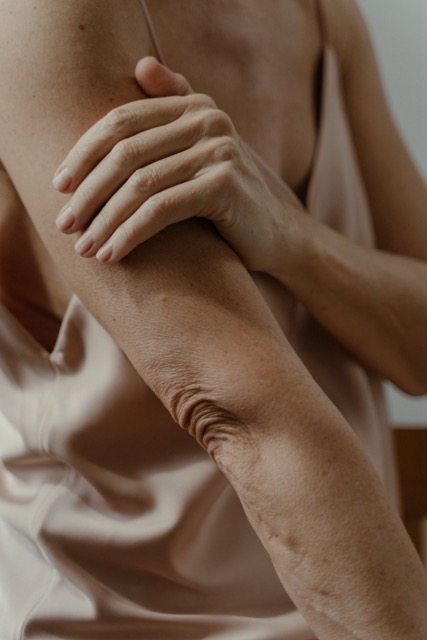
Collagen loss accelerates during this transition, which can make the skin feel less resilient and more prone to fine lines and sagging.
Changes in Sweat and Odor
Hormonal shifts can affect sweat gland activity, leading to increased perspiration or changes in body odor. Many women notice these changes, but they are not always discussed openly.
Increased Sensitivity, Especially in Intimate Areas
Vulvovaginal dryness is extremely common during and after menopause. It affects a large proportion of women over age 50 and is often under-addressed because it is still treated as a taboo topic.
None of these changes are abnormal. However, they have historically received limited attention from mainstream skincare and personal care brands, many of which have been formulated with younger, premenopausal skin in mind.
What Dove’s Women’s Wellness Range Includes
Developed with input from gynecologists, menopause specialists, and dermatologists, Dove’s line was designed around hormone-related skin changes rather than general skincare concerns.
The four-product range includes:
Glycolic Acid Body Wash
The glycolic acid body wash is intended to smooth rough or dull skin and help manage odor associated with hormonal changes in perspiration.
Cleansing Oil
The cleansing oil is aimed at the dryness and itchiness that may accompany perimenopause and menopause. It is formulated to cleanse without stripping the skin.
Fragrance-Free Whole Body Wash
The whole body wash is specifically formulated for vulvar skin. It is designed to be gentle enough for daily use while supporting the skin’s natural pH and barrier function.
Fragrance-Free Leave-On Balm
The leave-on balm is intended for intimate skin and is designed to help relieve vulvovaginal dryness.
Addressing the Stigma Around Menopause Symptoms
The range was introduced as part of a broader Dove campaign focused on reducing the stigma around discussing menopause-related symptoms.
The campaign aimed to bring concerns that have traditionally been treated as too private or embarrassing into mainstream personal care conversations.
Why This Kind of Formulation Matters
Beyond any one brand, the emergence of menopause-specific personal care reflects an important point dermatologists have emphasized for years: skin needs change throughout a woman’s lifetime, and general formulations do not always account for those changes.
Ingredients that may work well for younger, oil-prone skin, including strong fragrances or harsher surfactants, can be uncomfortable or irritating when the skin becomes thinner, drier, and more reactive during hormonal transitions.
What to Look for During Perimenopause and Menopause
If you notice new dryness, sensitivity, or changes in body odor during perimenopause or menopause, consider looking for products with:
- Gentle cleansers
- Fragrance-free formulas
- Barrier-supporting ingredients
- Moisturizing or emollient ingredients
- Products specifically designed for sensitive or intimate skin
It may also be helpful to discuss these changes with a dermatologist or gynecologist rather than assuming they are something you simply have to tolerate.
The Bottom Line
Menopause can affect the skin’s moisture levels, elasticity, sensitivity, and response to sweat and friction. These changes are common, but they have often been overlooked in traditional skincare and personal care.
Dove’s Women’s Wellness Range is one example of how brands are beginning to formulate products around the specific needs of menopausal and perimenopausal skin. More broadly, it reflects a growing recognition that skincare should account for hormonal changes across different stages of life.
References
- “Dove Launches Women’s Wellness Range, Turning ‘TMI’ Into Superior Care, Available Exclusively on Amazon.” PR Newswire