Sun Protection for Babies and Little Ones: A Dermatologist’s Guide
Why the First Few Years Matter So Much
A huge share of a person’s lifetime UV exposure happens before age 18, and childhood sunburns, especially blistering ones, meaningfully raise melanoma risk later in life. Baby skin is also just different: thinner, with a less developed barrier and a much higher surface-area-to-body-weight ratio, which means it absorbs more of whatever gets put on it.
The good news: sun protection for little ones comes down to three layers working together.
- Shade and timing: Avoid peak UV hours, from 10 a.m. to 4 p.m., and use stroller canopies or umbrellas.
- UPF clothing and hats: Protection that does not wear off, sweat off, or need reapplying.
- Mineral sunscreen: Layered onto whatever skin is still exposed.
Nail those three and the rest takes care of itself. Below are the picks worth adding to a diaper bag or beach cart, and every product listed here is available on Amazon.
Layer One: Mineral Sunscreen Only
For babies under 6 months, the American Academy of Pediatrics, the FDA, and the Skin Cancer Foundation all agree: skip sunscreen entirely. Young infant skin is too thin and too absorbent for it. Shade, timing, and UPF clothing do the job instead.
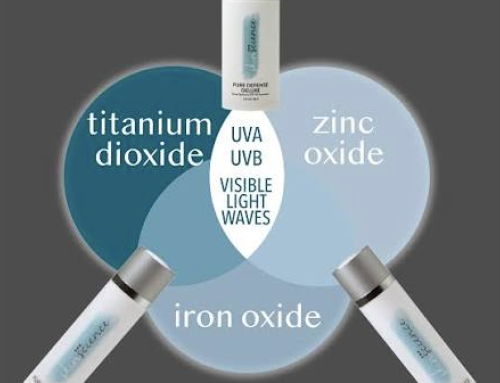
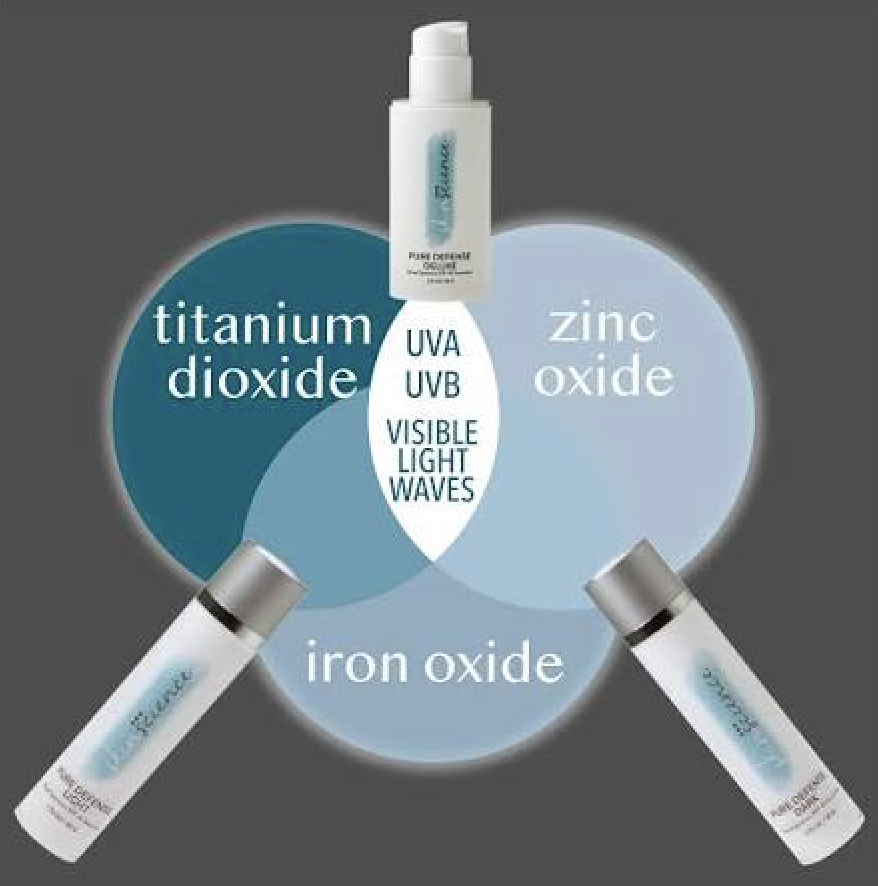
Once a baby hits 6 months, mineral sunscreen becomes appropriate, and it should be the only type used through toddlerhood. Zinc oxide and titanium dioxide sit on top of the skin and reflect UV rays rather than absorbing into it, which matters for a child’s smaller body mass and developing skin barrier.
What to Look for on the Label
- 100% mineral active ingredients, meaning zinc oxide, titanium dioxide, or both
- SPF 30 minimum, although SPF 50 gives more of a margin for under-application
- Fragrance-free
- Water-resistant for 80 minutes or more
- A texture and format a squirmy toddler will actually tolerate
Top Pick
- Mustela Mineral Sunscreen Lotion SPF 50: A lightweight, French-pharmacy option that feels less heavy on hot, humid days.
Quick tip: Most parents apply too little. Use a generous amount on the face, neck, and all exposed skin, and reapply every two hours or immediately after water play.
Layer Two: UPF Hats
UPF, or Ultraviolet Protection Factor, fabric blocks about 98% of UV radiation. Unlike sunscreen, it does not wear off over the course of a beach day. A wide-brim hat is just as important as sunscreen, not an optional extra.
- Coolibar Baby Splashy Bucket Hat: Built for the pool or beach. It dries quickly and stays secured with a non-scratch chin strap.
- UV Skinz Baby & Toddler Sun Hat: Certified UPF 50+, buttery-soft, and often sold with a matching swimsuit for an easy coordinated set.
- Wallaroo Kids’ Sun Hat: Comfortable, colorful, and sized from newborn through the teen years, so it can grow with a child’s wardrobe.
Layer Three: UPF Swimwear
Long-sleeve UPF swimwear dramatically reduces how much skin actually needs sunscreen, which means less reapplying and less stress at the pool or beach.
Putting It Together
Under 6 months: Use shade, thoughtful timing, UPF clothing, a wide-brim hat, and a stroller cover. Do not use sunscreen.
6 months and older: Continue the same clothing and hat strategy, then add a mineral sunscreen applied generously and reapplied every two hours or after swimming.
Bonus tip: Several sun-protective clothing brands offer regular discount codes, so it is worth checking for one before completing your purchase. This can make building a UPF wardrobe much more affordable.
None of these layers needs to be perfect on its own. What matters is that they work together, so one missed reapplication or a hat pulled off during a nap is not the only thing standing between a child and a sunburn. That layered redundancy is the real secret to sun-safe kids.
Have questions about sun protection for a specific skin type or a family history of skin cancer? Schedule a consultation with Dr. Yoo!