Collagen Banking in Your 20s and 30s: What a Dermatologist Actually Recommends
Why Your 20s and 30s Matter for Your Skin
The concept of “collagen banking” has gone from a niche term in aesthetic medicine to a mainstream skincare conversation.
Some of what circulates on social media under this label is marketing dressed as medicine. But the underlying principle is clinically sound: the habits and treatments you start in your 20s and 30s can affect how your skin ages in your 40s, 50s, and beyond.
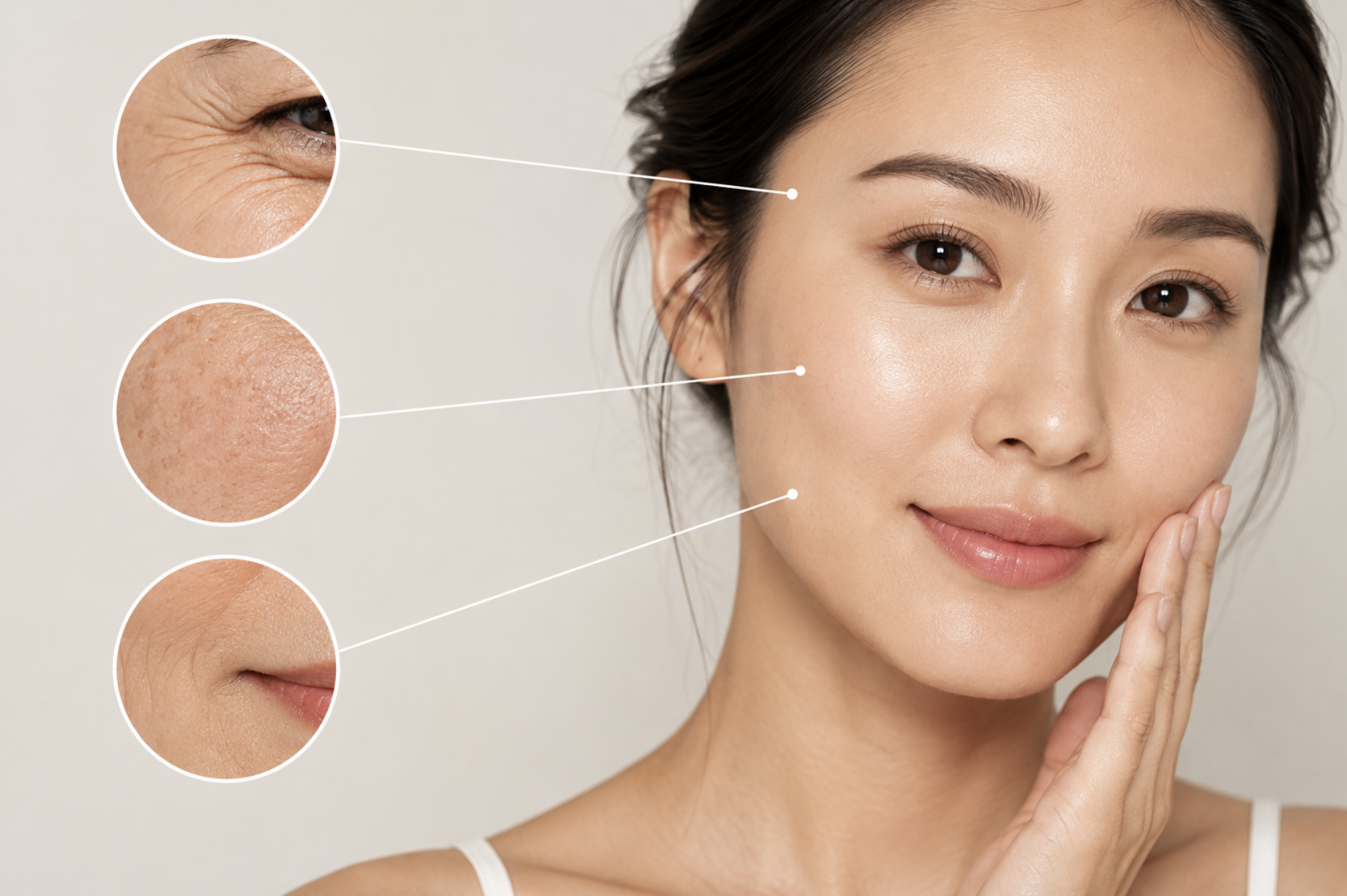
Collagen is one of the main structural proteins that keeps skin firm, smooth, and resilient. Collagen production is often described as peaking in the mid-20s and then gradually declining, with a commonly cited estimate of about 1% per year. The exact rate varies widely based on genetics, sun exposure, hormones, smoking, stress, diet, and overall health.
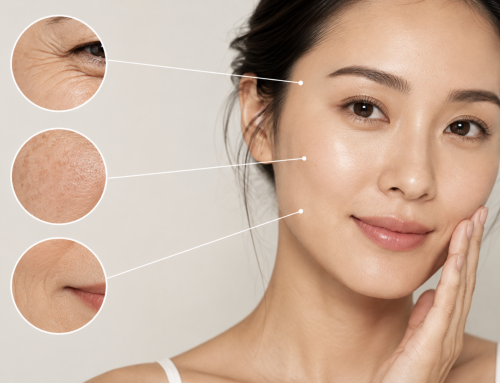
By the 40s and 50s, collagen loss becomes more visible. Patients may notice reduced firmness, fine lines, early laxity, and changes in skin texture.
The goal of collagen banking is not to stop aging. That is impossible. The goal is to preserve your skin’s strongest baseline for as long as possible through smart, evidence-based interventions.
Here is what I actually recommend, ranked by evidence and clinical impact.
SPF Every Day: The Non-Negotiable Foundation
If you take nothing else from this post, take this: daily sunscreen is the foundation of collagen banking.
UV radiation is one of the largest drivers of accelerated skin aging. UV exposure generates reactive oxygen species, activates enzymes that break down collagen, and interferes with normal collagen production.
This is why photoaged skin looks different from chronologically aged skin. Sun damage creates more uneven pigment, roughness, fine lines, wrinkles, and laxity than aging alone.
Daily broad-spectrum SPF 30 or higher is one of the most evidence-supported anti-aging interventions we have. A randomized trial found that regular sunscreen use slowed visible skin aging compared with discretionary sunscreen use.
The patients who tend to age best over time are usually the ones who protected their skin consistently for years. No laser, injectable, or skincare product can fully undo decades of UV damage. The damage that never happens does not need to be treated later.
What I Recommend
Use a broad-spectrum SPF 30 or higher every morning. For many patients, especially those with pigmentation, melasma, or significant sun exposure, SPF 50 is preferred.
If you have melasma or post-inflammatory hyperpigmentation, choose a tinted sunscreen with iron oxides for visible light protection.
Reapply during prolonged outdoor exposure, sweating, or after swimming.
Retinoids: The Gold Standard Active
Topical retinoids are the most well-studied topical agents for photoaging.
This category includes prescription tretinoin and over-the-counter retinol and retinaldehyde. Retinoids help regulate skin cell turnover, improve texture, support collagen production, and reduce signs of photoaging over time.
Prescription tretinoin has the strongest evidence. Studies have shown improvement in fine lines, mottled pigmentation, sallowness, and overall signs of photoaging with consistent use.
Starting a retinoid in your 20s or 30s is one of the highest-return skincare decisions you can make. The earlier you start, the more you are working from maintenance rather than repair.
The key is consistency and tolerability. A retinoid that irritates your skin so much that you quit is not useful.
How to Start a Retinoid
Start low and go slow.
Use a pea-sized amount for the whole face 2 to 3 nights per week. Apply moisturizer before or after if your skin is sensitive. Increase gradually over months as tolerated.
If you are pregnant, trying to conceive, or breastfeeding, speak with your dermatologist or OB-GYN before using retinoids.
If you want prescription tretinoin, that conversation should start with a dermatologist.
Antioxidants: Protection During the Day
Antioxidants are the daytime complement to sunscreen.
Topical vitamin C, especially L-ascorbic acid in a stable, well-formulated product, can help reduce oxidative stress from UV radiation, pollution, and visible light exposure. It may also help with pigmentation and support collagen synthesis.
Niacinamide is another useful option. It is generally more stable and often better tolerated by sensitive skin. It can help with inflammation, redness, barrier support, oil regulation, and uneven tone.
Antioxidants do not replace sunscreen. They support it. For patients in their 20s and 30s, the combination of antioxidant serum in the morning plus sunscreen is one of the most practical preventive routines.
Preventive Neurotoxin: Starting Earlier, but Not Too Early
Botulinum toxin injections, including Botox, Dysport, Xeomin, Jeuveau, and Daxxify, work by temporarily relaxing the muscles responsible for dynamic wrinkles. These are the lines that form with expression, such as forehead lines, frown lines, and crow’s feet.
The preventive argument is straightforward: if repeated folding of the skin contributes to permanent etched lines, softening that movement earlier may reduce the development of deeper static wrinkles over time.
There is reasonable clinical logic for this approach, and many dermatologists see it in practice. Patients who start conservative neurotoxin in their late 20s or 30s, when they first notice persistent expression lines, often require less correction later.
But the key word is conservative.
Preventive neurotoxin should not freeze the face. The goal is to soften repetitive movement while preserving natural expression.
Who Is a Good Candidate?
You may be a candidate if you are starting to see expression lines linger when your face is at rest.
You may not need it yet if your lines only appear when you animate and disappear completely at rest.
This is where an individualized consultation matters. Preventive Botox is not about starting as young as possible. It is about starting when there is a reason.
In-Office Collagen Stimulation: Microneedling, Lasers, and Radiofrequency
For patients in their late 20s and 30s who want to go beyond topicals and neurotoxin, in-office collagen stimulation can be helpful.
These treatments work by creating controlled injury or heat in the skin, which stimulates wound healing, collagen remodeling, and elastin support.
Microneedling
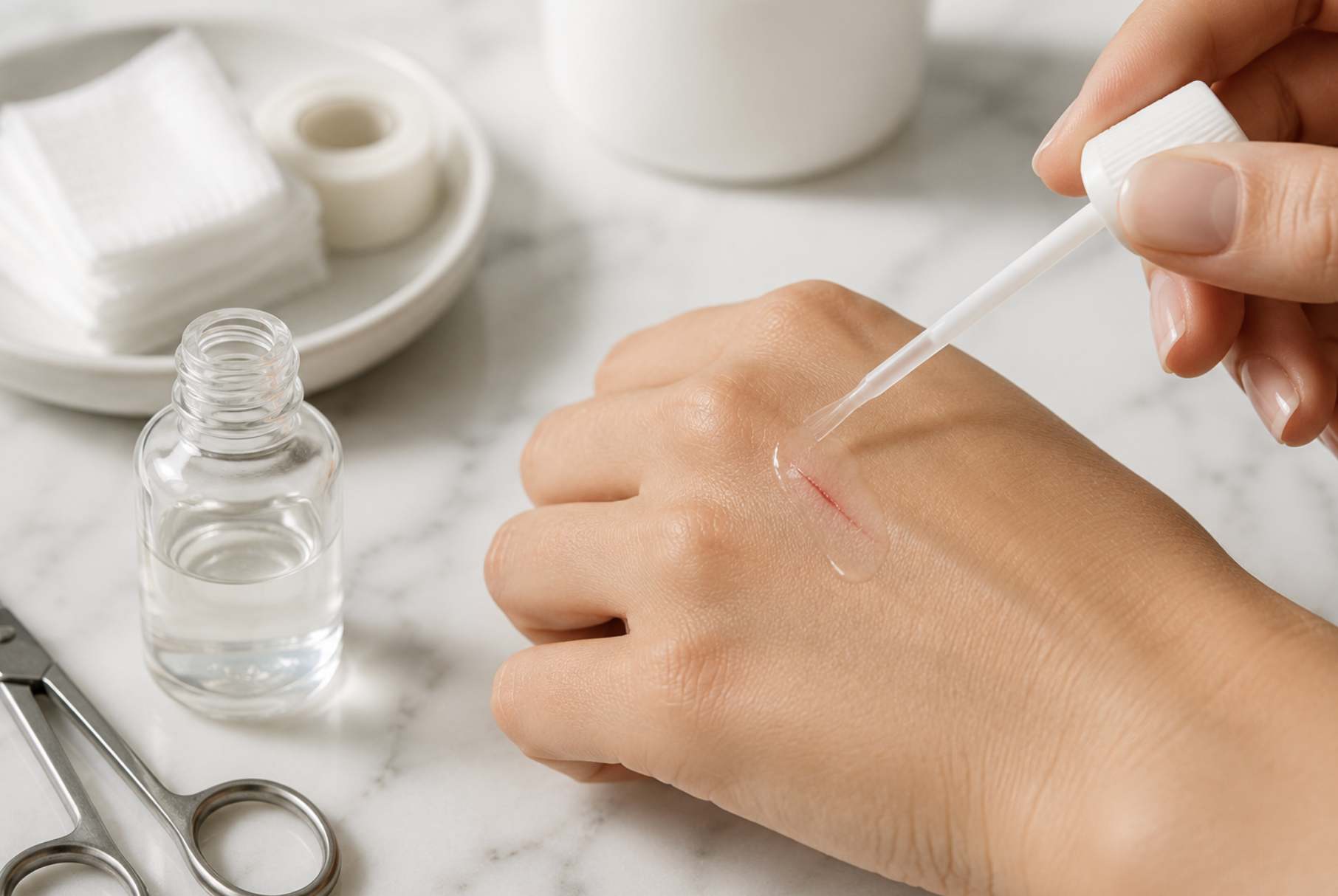
Microneedling creates controlled micro-injuries in the dermis that trigger collagen remodeling. It is commonly used for texture, acne scars, pores, and early fine lines.
For younger patients who do not need aggressive resurfacing, periodic microneedling can be a nice maintenance treatment.
Fractional Lasers
Fractional lasers can improve texture, fine lines, sun damage, pores, and acne scarring, depending on the device and settings.
They can be more powerful than microneedling, but they also require more careful planning, especially in patients with skin of color or a history of post-inflammatory hyperpigmentation.
Radiofrequency and RF Microneedling
Radiofrequency and radiofrequency microneedling can help with texture, mild laxity, and collagen remodeling. Systematic reviews support improvements in skin texture and tightening, but results vary depending on the device, settings, patient selection, and provider experience.
These treatments are not risk-free. Burns, scarring, fat loss, and pigment changes can occur, especially when devices are used too aggressively or by poorly trained providers.
For this reason, I recommend choosing an experienced physician-led practice for energy-based treatments.
How Often Should You Do Collagen-Stimulating Treatments?
This depends on your skin, goals, budget, and tolerance for downtime.
For many patients in their 30s, a reasonable plan might include 1 to 3 collagen-stimulating treatments per year, combined with excellent daily skincare.
Not everyone needs devices. Some patients get the best return from sunscreen, retinoids, and consistency.
Lifestyle: The Underrated Collagen Factors
- Collagen banking is not only about products and procedures.
- Sleep, stress, nutrition, and smoking status all matter.
- Smoking accelerates skin aging and collagen breakdown. Chronic stress can worsen inflammation and affect skin repair. Poor sleep impairs recovery. Inadequate protein intake can limit the raw materials your body needs for tissue maintenance.
- A collagen-supporting lifestyle does not have to be complicated. Prioritize sleep, regular exercise, protein intake, vitamin C-rich foods, hydration, and not smoking.
These are not glamorous recommendations, but they matter.
What I Do Not Recommend as “Collagen Banking”
I do not recommend chasing every trend.
You do not need every collagen cream, every peptide serum, every device, or every supplement. Many topical collagen products are moisturizers, not true collagen stimulators, because collagen molecules are generally too large to penetrate deeply enough to rebuild dermal collagen.
Collagen supplements may have some emerging evidence for skin hydration and elasticity, but they are not a replacement for sunscreen, retinoids, nutrition, or dermatologic treatment.
I also do not recommend aggressive procedures too early. More treatment is not always better. In younger patients, the goal is preservation, not transformation.
My Practical Collagen Banking Plan by Age
In Your 20s
- Use SPF every day.
- Start a gentle retinoid if tolerated.
- Add an antioxidant in the morning.
- Treat acne early to prevent scarring and pigmentation.
- Do not smoke.
- Consider preventive neurotoxin only if expression lines are starting to linger at rest.
- Most patients in their 20s do not need aggressive devices.
In Your 30s
- Continue SPF and retinoids consistently.
- Consider prescription tretinoin if appropriate.
- Add targeted treatments for pigmentation, texture, or early laxity.
- Consider conservative neurotoxin if dynamic lines are becoming more persistent.
- Consider microneedling, light resurfacing, or radiofrequency-based treatments if skin texture or firmness is changing.
- Focus on maintenance, not overcorrection.
The Bottom Line
Collagen banking is real preventive dermatology when it is done thoughtfully.
The strongest foundation is not trendy. It is daily sunscreen, consistent retinoid use, antioxidants, healthy lifestyle habits, and selective in-office treatments when appropriate.
Your 20s and 30s are not the time to panic about aging. They are the time to build habits that make future aging easier to manage.
Start with the basics. Be consistent. Treat early concerns before they become bigger ones. And remember: the goal is not to stop aging. The goal is to age with healthier, stronger, better-supported skin.
FAQ
Q: What is collagen banking?
A: Collagen banking is a patient-friendly term for preventive skincare and treatments designed to preserve collagen and support skin quality before more advanced signs of aging appear.
Q: When should I start collagen banking?
A: Many patients benefit from starting in their 20s or 30s with daily sunscreen, retinoids, antioxidants, and healthy lifestyle habits.
Q: Does collagen really decline after your 20s?
A: Collagen production gradually declines with age, often described as beginning in the mid-20s. The exact rate varies widely based on genetics, sun exposure, hormones, smoking, and lifestyle.
Q: What is the best collagen banking skincare routine?
A: A simple routine includes morning antioxidant serum, broad-spectrum sunscreen, and a nighttime retinoid if tolerated.
Q: Is retinol good for collagen banking?
A: Yes. Retinoids, including retinol and prescription tretinoin, are among the best-studied topical ingredients for improving signs of photoaging and supporting collagen.
Q: Is preventive Botox worth it?
A: It can be helpful for patients whose expression lines are beginning to linger at rest. The goal should be conservative softening, not freezing the face.
Q: Do microneedling and lasers build collagen?
A: Microneedling, fractional lasers, and radiofrequency treatments can stimulate collagen remodeling when used appropriately. The best choice depends on your skin type, goals, and risk of pigmentation.
Q: Do collagen creams rebuild collagen?
A: Most topical collagen creams mainly moisturize the skin. Collagen molecules are generally too large to rebuild deep dermal collagen directly.
Updated June 2026