Sweat and Skin Reactions: Why It Happens and How to Manage It
Why Sweat Causes Skin Problems in the First Place
Sweat itself is not the enemy. The problem begins when sweat sits on the skin, mixes with oil and bacteria, and becomes trapped beneath tight clothing or workout gear. That combination is responsible for many common sweat-related skin concerns:
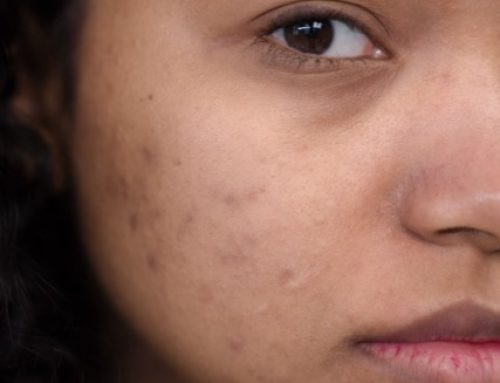
- Acne mechanica: Breakouts caused by friction, heat, and sweat trapped beneath clothing, headbands, helmets, or straps
- Folliculitis: Inflamed and sometimes itchy bumps around the hair follicles, often triggered by sweat, friction, and bacteria trapped against the skin during or after activity
- Heat rash: Small, itchy bumps that form when sweat ducts become blocked, particularly in areas covered by tight clothing
- Irritant contact dermatitis: Redness and irritation caused by sweat combined with repeated friction, often along headbands, straps, and waistbands
These conditions are not usually serious, but practical habits and the right products can help reduce the risk of irritation and breakouts.
Reduce Friction and Trapped Sweat: Choose the Right Gear
A significant amount of sweat-related irritation begins with gear that traps moisture against the skin instead of helping it evaporate. A well-designed, moisture-wicking headband can be a simple solution for one of the most common trouble spots: the forehead and hairline, where sweat, hair products, and friction often combine during exercise.
Sparkly Soul headbands are a popular option because the fully elastic design is made to stay in place without slipping or bunching. Reducing repeated movement against the skin may help limit the friction that contributes to irritation along the hairline.
Wash headbands, hats, and other sweat-exposed gear regularly. Rewearing damp or unwashed items can place oil, bacteria, and product residue back against the skin.
Clean Up Sweat Before It Sits
When showering immediately after a workout is not possible, cleansing the skin, even with a wipe, can help reduce the buildup of sweat, oil, and bacteria. Leaving that mixture on the skin for several hours may contribute to post-workout breakouts.
What to Look for in a Wipe
- Alcohol-free: Less likely to strip or irritate skin that is already stressed by sweat and friction
- Salicylic acid: May be helpful for acne-prone skin because it can clear excess oil and debris from the pores
- Fragrance-free: A better option for skin that is sensitive to added scents
La Roche-Posay Effaclar Micellar Cleansing Wipes, which are designed for oily and acne-prone skin, or a basic alcohol-free option can work as temporary solutions between a workout and a proper shower.
Wipes should not replace regular cleansing, but they may be useful when immediate access to a sink or shower is limited.
When Breakouts Do Not Resolve on Their Own: Clindamycin
For persistent folliculitis or acne that repeatedly appears in sweat-prone and friction-prone areas, such as the chest, back, or sports bra line, an over-the-counter routine may not be enough.
Clindamycin is a topical antibiotic that dermatologists may prescribe to treat certain inflammatory breakouts and cases of bacterial folliculitis. It is available in several forms, including gels, lotions, solutions, and pre-soaked pledgets, which can make it easier to apply across larger areas like the chest or back.
Clindamycin is available by prescription and should be used under a dermatologist’s guidance. It is often paired with benzoyl peroxide to reduce the risk of antibiotic resistance rather than being used alone for an extended period.
A Simple Post-Workout Routine
- Change out of sweaty clothing as soon as possible instead of remaining in damp fabric.
- Gently wipe sweat-prone areas, including the face, chest, back, and hairline, when a full shower is not immediately available.
- Shower and cleanse with a gentle, noncomedogenic wash as soon as practical.
- Wash workout clothing, hats, headbands, and straps after each use.
- Avoid scrubbing irritated skin, since aggressive exfoliation can further damage the skin barrier.
- Bring recurring bumps or breakouts to a dermatologist’s attention instead of repeatedly cycling through new over-the-counter products.