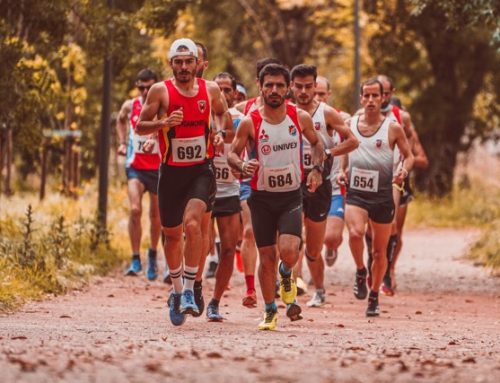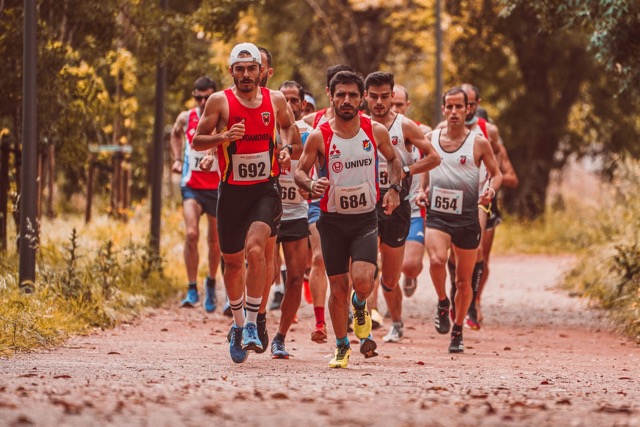
If you’re a marathon runner (or even a casual jogger), you are likely training an hour or two everyday. That means you should be wearing sunscreen daily. The sun emits harmful UV rays year-round. Even on cloudy days, up to 80% of the sun’s UV rays can penetrate your skin. Applying sunscreen for sun protection is necessary on the sunniest or cloudiest days.
There are a few things you should look for if you are an athlete choosing a sunscreen:
- Broad Spectrum: The sunscreen you wear should protect the skin from ultraviolet A (UVA) and ultraviolet B (UVB) rays, both of which contribute towards skin cancer.
- SPF 30 or Higher: Sun protection factor is a measure of a sunscreen’s ability to prevent UVB rays from causing sunburn and contributing to skin cancer. SPF 30 blocks 97% of the sun’s UVB rays.
- Water Resistance: These sunscreens will stay on wet skin for 40 to 80 minutes. However, water resistant sunscreens still have to be re-applied as heavy perspiration can reduce their efficacy.
What type of sunscreen is best?
Available sunscreen options include lotions, creams, gels, ointments, wax sticks and sprays.
- Creams: Best for dry skin and the face
- Gels: Good for hairy areas, such as the scalp or male chest
- Sticks: Good to use around the eyes
- Sprays: Good for quick application on larger areas of the body
How much do I need to use?
One ounce of sunscreen, equivalent to a full shot glass, is considered the minimum amount needed to cover the exposed areas of the body. Don’t be that stingy bartender. Pour yourself a nice tall glass!
When should I apply it?
You should apply sunscreen before you go outdoors. It takes approximately 15 minutes for your skin to absorb the sunscreen and take effect. If you wait until you are out in the sun to apply, you could risk getting a sunburn. Reapply sunscreen every 2 hours, especially after sweating or swimming.
Where should I apply it?
On all areas of skin exposed to the sun—including the face, neck, arms and legs. Don’t forget your ears and the top of your head, especially if you don’t have much hair there. To protect your lips, apply a lip balm with a SPF of at least 15.
What else can I do to protect myself?
Seek shade, remembering that the sun’s rays are strongest between 10 am and 2 pm. If you have a long run, schedule it for early morning or late afternoon.
Wear protective clothing, such as a long-sleeved shirt, pants, a wide brimmed hat and sunglasses if possible.
Check your skin! If you notice any changes to your skin, itchiness, or bleeding on your skin, see a dermatologist. Skin cancer is almost always curable when detected early.
What are some good sunscreens for runners?
Lotions and creams are great until you start running and your eyes start to sting and burn (trust me, I know from plenty of experience). Sticks are good for sensitive areas and are ultra portable—small enough to fit in your running belt or pocket. Here is a list of recommended sunscreens:
- ELTA MD UV Clear Broad Spectrum SPF 46
- ISDIN Eryfotona Actinica Broad Spectrum SPF 50+
- SkinMedica Total Defense + Repair SPF 34/PA++++
- Colorescience Sunforgettable Total Protection Brush on Shield SPF 50
- Shiseido Clear Sunscreen Stick SPF 50+
- Eau Thermale Avene Mineral Sunscreen Balm Stick SPF 50+
- La Roche Posay Anthelios Mineral Zinc Oxide SPF 50
Sun protection during outside activities is important to minimizing the risk of skin damage and skin cancer. For ease of application, sunscreen sticks and sprays have become increasingly popular. Check out this blog to learn more about sunscreen sticks and sprays.