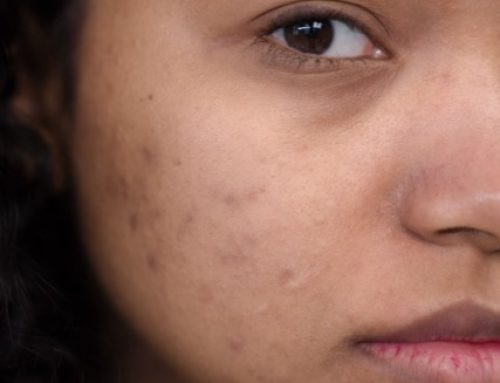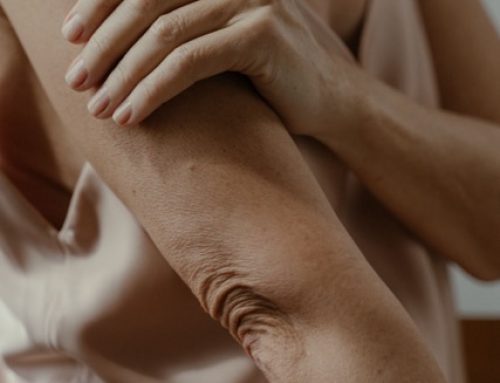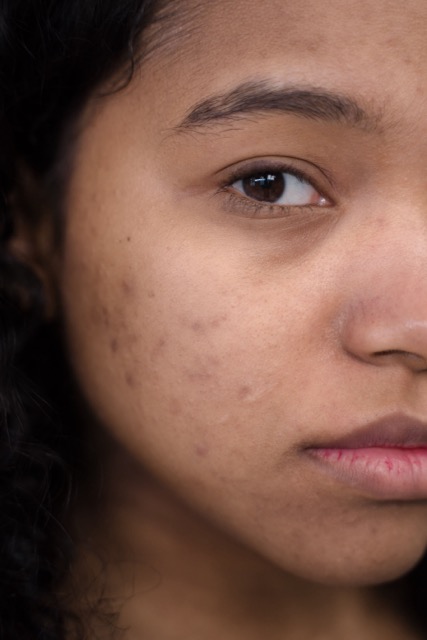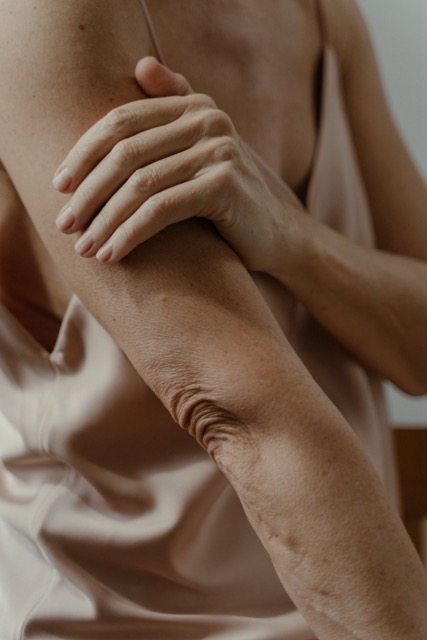
Often mistaken for pimples, keratosis pilaris (KP) is a skin condition characterized by small, rough bumps that typically appear around hair follicles on the upper arms, thighs, face, and buttocks. They can be red or flesh-colored, dry, and itchy. The bumps develop due to the buildup of keratin protecting the skin. Known informally as “chicken skin,” KP is found in children, adolescents, and adults. Although painless and harmless, the tiny bumps can be a cosmetic concern. There are several methods of treating keratosis pilaris.
Causes of Keratosis Pilaris
Keratosis pilaris occurs when dead cells clog hair follicles. It is most common in children 2 years old and younger and in teenagers around puberty when hormones are fluctuating. People are more likely to develop keratosis pilaris if their close blood relatives have KP, they have asthma, they have eczema, and they are obese or diabetic.
Treating KP
Treatment for KP isn’t typically necessary since it goes away on its own but there are a few things that can be done to help symptoms.
To relieve itchiness and dryness, a moisturizer topical can help. Moisturizing creams with urea, lactic acid, and alpha-hydroxy acids soothe the skin.
Gentle exfoliation will diminish the bumps and improve the skin’s texture: Using a loofah to apply a mild exfoliating scrub gel in circular motions can help remove dead skin cells and prevent keratin buildup in the affected areas. Avoiding harsh or abrasive scrubs is important to prevent skin irritation.
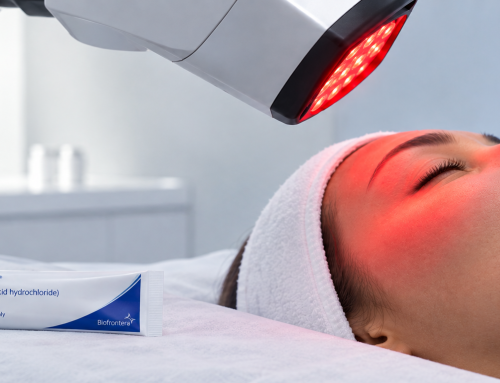
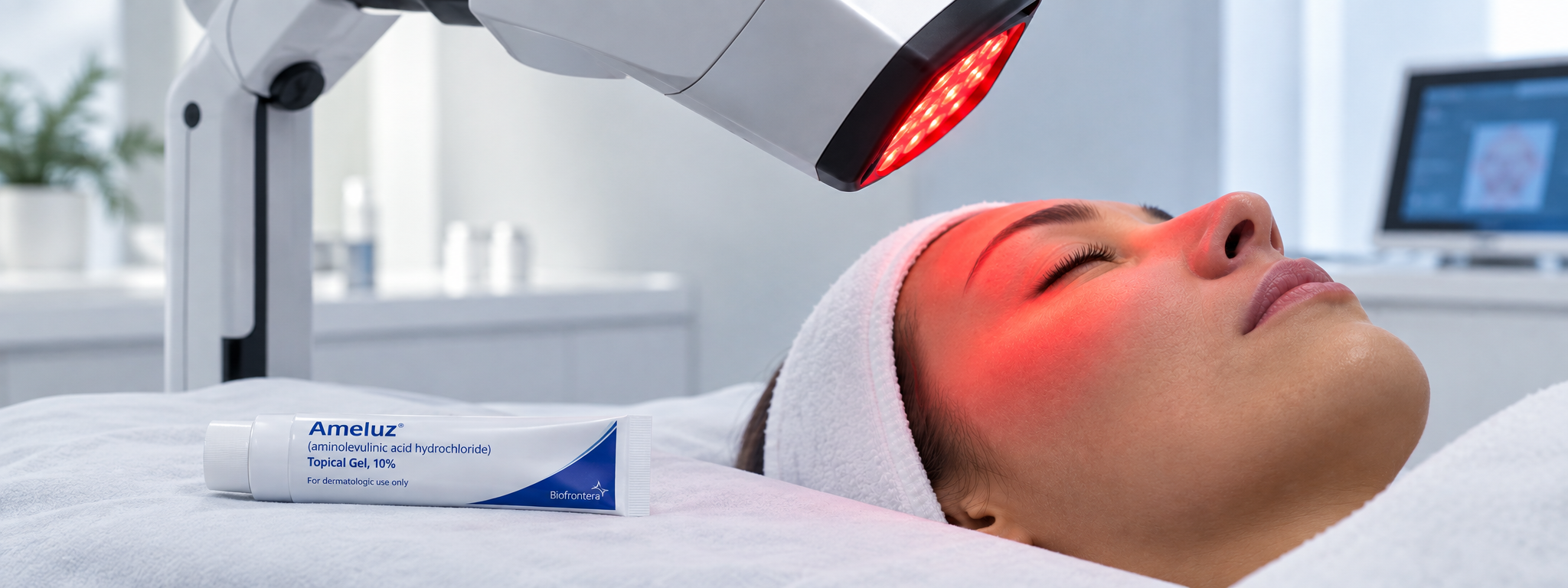
If looking for professional treatment, laser treatments to reduce redness and improve texture can be performed by a dermatologist.
Living With Keratosis Pilaris
Keratosis pilaris is a common and benign skin condition marked by small, rough bumps due to keratin buildup. Factors such as genetics, skin type, and other health conditions play a role in its development. While KP generally goes away on its own, treatments including topical exfoliants, moisturizers, and laser treatments can improve the appearance of your skin. KP is not a condition that needs to be worried about, but there are many options to treat it if its cosmetic appearance is unappealing.