Understanding Sunscreen: Physical vs. Chemical
Sunscreen is a crucial product when it comes to protecting our skin from the sun’s harmful UV rays. There are two main types of sunscreens: physical and chemical, each with its own unique characteristics and benefits.
Physical/Mineral Sunscreens:
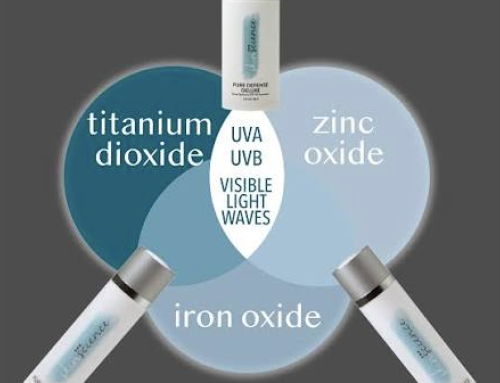
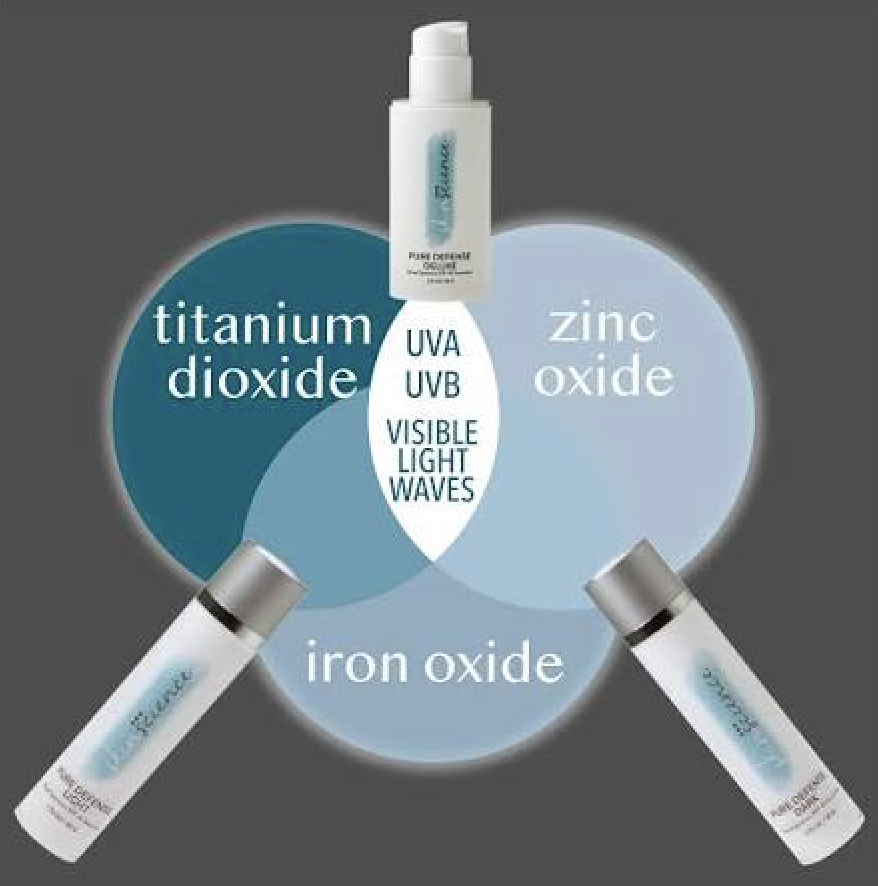
Physical, or mineral, sunscreens work by creating a physical barrier on the skin’s surface. They contain mineral ingredients such as zinc oxide or titanium dioxide, which reflect and scatter UV radiation away from the skin. This makes them effective immediately upon application. Additionally, the mineral products make the sunscreen less irritating and more suitable for sensitive skin types. Physical sunscreens are known for their broad-spectrum protection against both UVA and UVB rays.
Chemical Sunscreens:
Unlike physical sunscreens, chemical sunscreens absorb UV rays through chemical reactions that occur on the skin’s surface. They typically contain active ingredients like oxybenzone, avobenzone, octisalate, octocrylene, homosalate, and octinoxate. These ingredients absorb UV radiation, convert it into heat, and then release it from the skin. Chemical sunscreens are often preferred for their lightweight texture and ease of application, making them suitable for daily use under makeup.
Choosing the Right Sunscreen:
The choice between physical and chemical sunscreen often boils down to personal preference, skin type, and specific needs. Physical sunscreens are favored for their immediate effectiveness and gentle nature, making them ideal for those with sensitive skin, pregnant women, or children. Meanwhile, chemical sunscreens offer a lightweight feel and may be preferred by those looking for an invisible finish under makeup. Many people assume that chemical sunscreens are worse because of the chemicals being absorbed into the skin, but sunscreens are formulated so that active and inactive ingredients in the product balance each other for the most effective and safe result.
Both physical and chemical sunscreens provide effective protection against the sun’s harmful UV rays. The decision on which type to use ultimately depends on individual preferences, skin sensitivities, and specific circumstances. Whichever sunscreen you choose, the key is consistent application and reapplication to ensure optimal protection and maintain healthy skin.