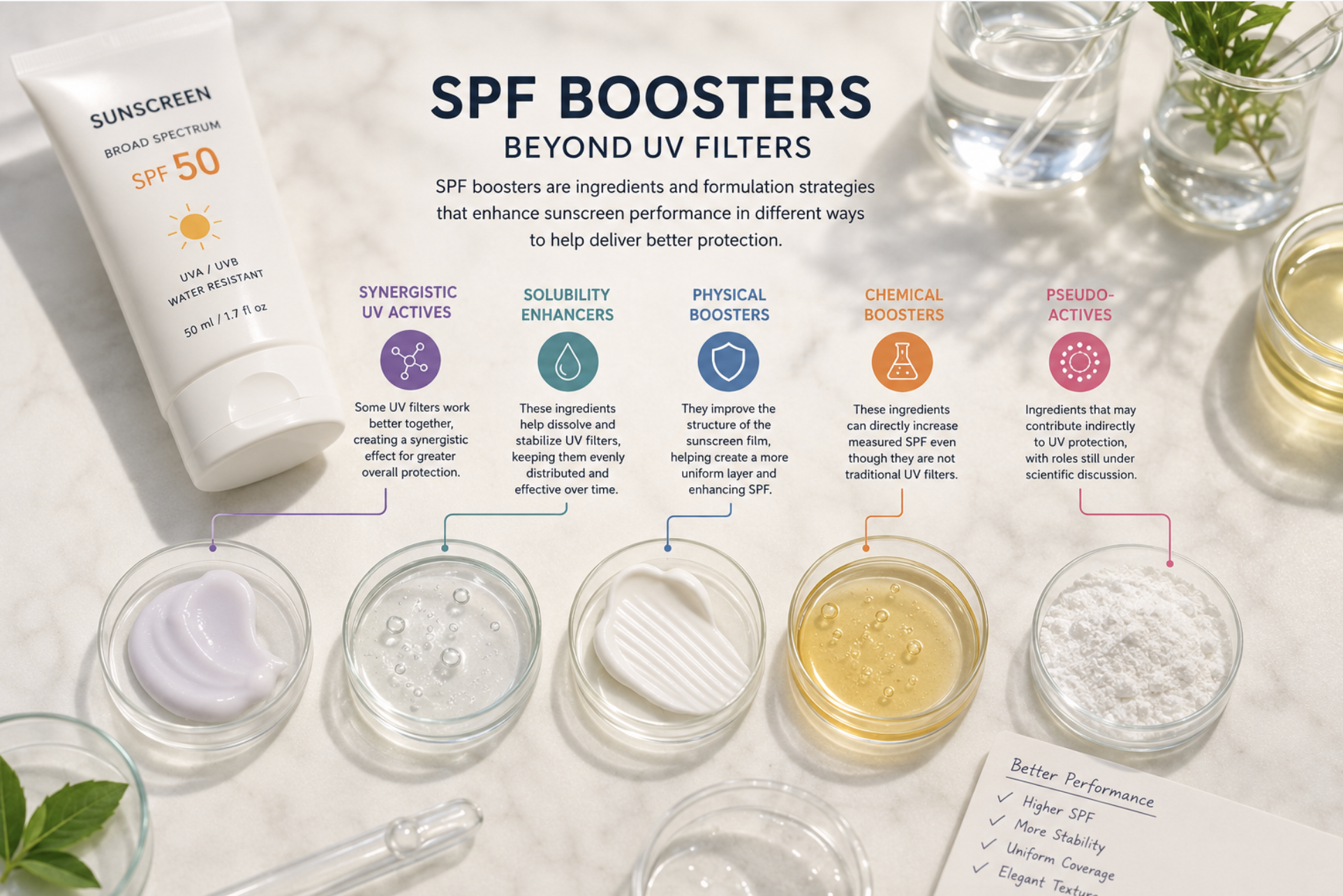
How confident do you feel about your sunscreen? For years, the term “broad spectrum” on a sunscreen label has suggested that all the major bases are covered: preventing sunburn and helping to reduce signs of aging. However, as our understanding of sun and light exposure expands, that sense of protection may not be as complete as many people assume.
Beyond UV: The New Light Hazards
While ultraviolet B (UVB) rays cause sunburn and ultraviolet A (UVA) rays contribute to aging and pigmentation, they are not the only forms of light that affect skin health. Increasing scientific attention is being paid to high-energy visible (HEV) light, also known as blue light, and infrared-A radiation. Blue light comes not only from the sun but also from digital devices, and recent research suggests it may worsen hyperpigmentation, particularly in individuals with deeper skin tones. Infrared-A radiation, which we perceive as heat, has been linked to the degradation of collagen in the skin, potentially accelerating visible signs of aging over time.
Our Labels Haven’t Caught Up
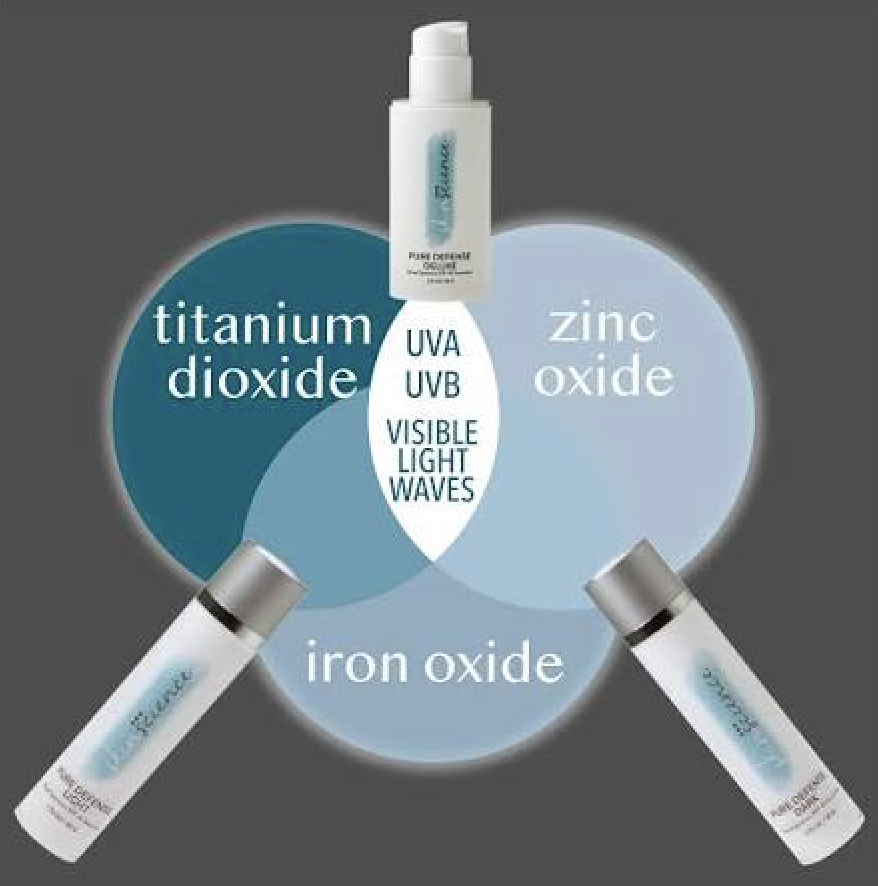
Despite these concerns, most sunscreen products on the market still focus primarily on UVB and UVA protection. The “broad spectrum” label is meant to indicate coverage against both UVB and UVA rays, but it does not account for other parts of the light spectrum such as HEV or infrared-A. In some regions outside the United States, sunscreens may contain next-generation filters that provide more comprehensive protection. However, due to regulatory differences, these advanced formulations may not be widely available in U.S. drugstores.
What’s Next in Protection?
To address these emerging light-related risks, many experts are now advocating for a layered approach to sun protection. This includes combining traditional UV filters with antioxidants that help neutralize damage from blue light and infrared radiation. Some brands are also developing delivery systems that keep active ingredients stable throughout the day.
How to Adapt Right Now
In the absence of universally available broad-spectrum filters that cover blue light and infrared-A, there are still practical steps consumers can take:
- Check product details carefully: Look for sunscreens that include antioxidant ingredients or mention protection against blue light. This is especially important for people who spend significant time in front of screens or outdoors year-round.
- Consider international options: European and Asian sunscreens may contain filters that are not yet approved in the United States but provide broader protection.
- Think beyond sunscreen: Wearing protective clothing, seeking shade during peak sunlight hours, and consuming a diet rich in colorful fruits and vegetables can also support skin health and resilience.
A Smarter Sun care Future
Sun protection is entering a new phase as technology, research, and consumer awareness continue to grow. Innovations in testing, ingredient development, and even artificial intelligence are reshaping how we think about sun safety. While “broad spectrum” coverage remains essential, it is no longer the final word in comprehensive protection. As science continues to reveal the impact of all types of light exposure, the definition of effective sun care is expanding.
Reference:
- Stern, Cassandra. “Next-gen photoprotection: Scientific review calls for broader sunscreen strategies.” CosmeticsDesign, July 15, 2025. https://www.cosmeticsdesign.com/Article/2025/07/15/next-gen-photoprotection-scientific-review-calls-for-broader-sunscreen-strategies/?utm_source=newsletter_daily&utm_medium=email&utm_campaign=15-Jul-2025&cid=DM1223117&bid=747019526