Female Pattern Hair Loss: Signs, Causes and Treatment
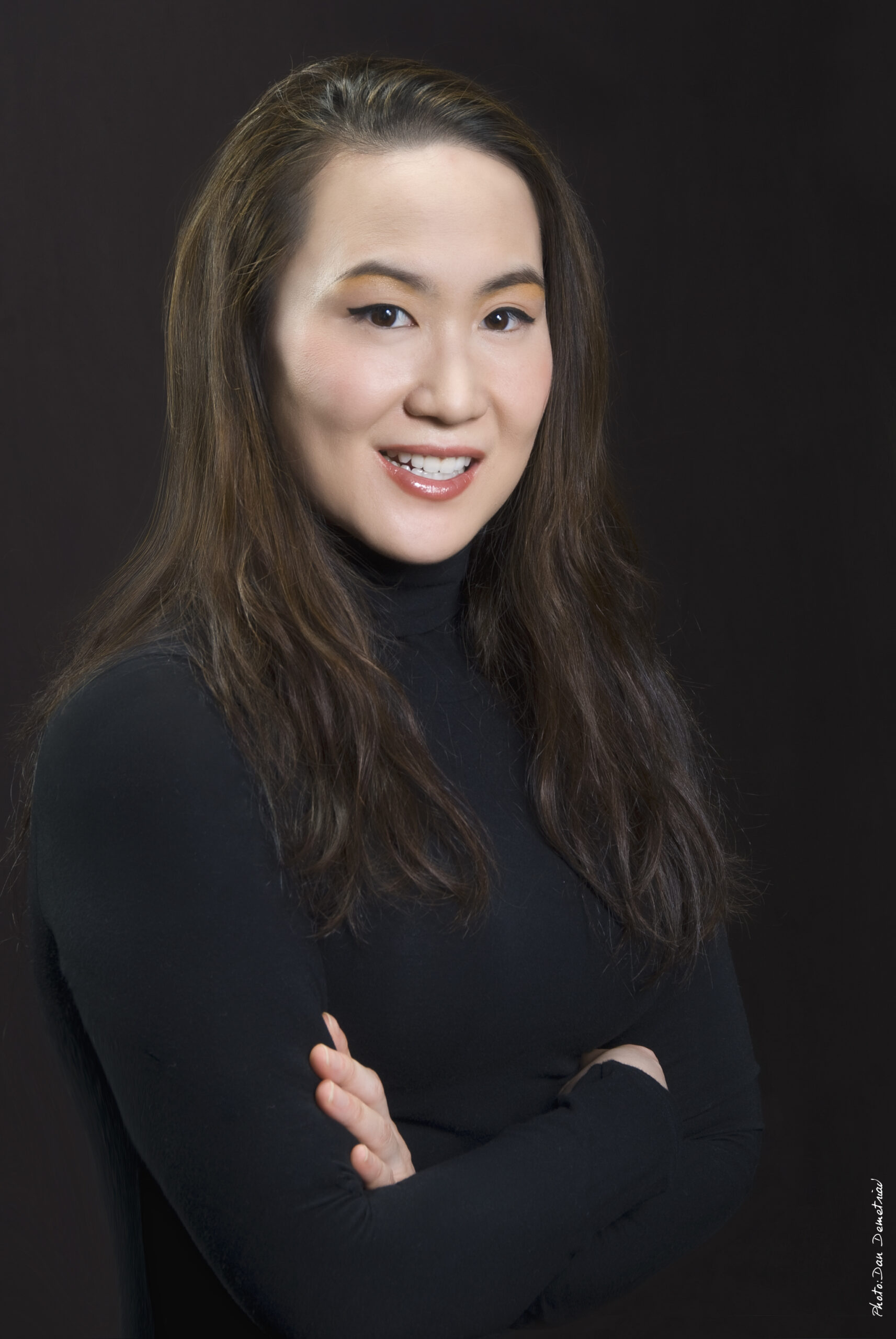
Medically reviewed by Jane Yoo, MD, board-certified dermatologist | Updated November 16th, 2026
Female pattern hair loss (FPHL), also called female androgenetic alopecia, is the most common cause of hair thinning in women, and it is often missed or dismissed for years. It is a gradual, progressive condition, which means earlier recognition leads to better options. It is not a personal failing, and for most women it is not a sign of a serious underlying disease.
What it looks like
- A widening part, sometimes described as a “Christmas tree” pattern, where the part looks broader toward the front.
- Diffuse thinning over the top and crown of the scalp.
- A smaller ponytail circumference over time.
- A frontal hairline that is usually preserved, which helps distinguish it from male pattern loss.
- Finer, shorter hairs in thinning areas as follicles miniaturize.
FPHL can begin any time after puberty, and it becomes more common after menopause. Shedding, in which hairs fall out in large numbers, is typically a different process (telogen effluvium), although the two can coexist.
What causes it
The main drivers are genetics and age. Hormones, including androgens and the changes that come with menopause, play a role in many women, but most women with FPHL have normal blood hormone levels. Testing is guided by your history: irregular periods, acne, or excess facial or body hair can point to conditions such as polycystic ovary syndrome (PCOS) that are worth investigating.
How it is diagnosed
- A history that covers family history, timing, medications, diet, pregnancy and stressors.
- A scalp exam, often with dermoscopy (trichoscopy), which reveals variation in hair thickness.
- Blood tests when appropriate, such as ferritin and thyroid function.
- A scalp biopsy if the diagnosis is unclear or a scarring process is suspected.
Treatment options
| Option | Where it stands |
|---|---|
| Topical minoxidil | Over the counter. The 2% solution and 5% foam are the formulations labeled for women. Needs continued use. |
| Oral minoxidil (low dose) |
Off-label, prescription only. Evidence is growing. Side effects include excess body hair and swelling. Not for pregnancy or breastfeeding. |
| Spironolactone | Off-label anti-androgen with a modest evidence base. Not safe in pregnancy. |
| Low-level laser devices | Several are FDA-cleared for female pattern hair loss. Evidence is encouraging but limited by study quality. |
| PRP | Off-label. Suggestive evidence, variable protocols. |
| Hair transplant | An option for selected patients with enough donor hair. Candidacy needs expert assessment. |
| Camouflage | Fibers, tinted sprays and styling can help while treatment takes effect. |
What to expect
For many women, success means stopping further loss and achieving modest thickening, not returning to teenage density. Results take about three to six months to begin and a year to judge, and they last only as long as treatment continues. Combining approaches is common. Photograph your part under the same lighting every month or two.
When to see a dermatologist
See a dermatologist if you notice a widening part or crown thinning, if shedding is sudden, if you have scalp symptoms, or if you also have signs of a hormonal condition. A confirmed diagnosis lets you choose treatments with evidence behind them and avoid expensive products that are unlikely to help.
—
Frequently asked questions
Can female pattern hair loss be reversed?
It cannot be cured, but it can often be slowed and partially reversed. Early treatment preserves more hair, and results last only while treatment continues.
Is thinning hair in women always hormonal?
No. Genetics and aging are the main drivers, and most women with female pattern hair loss have normal hormone levels. Testing is guided by symptoms such as irregular periods or excess facial hair.
What is the first treatment for thinning hair in women?
Topical minoxidil is the usual starting point because it is available over the counter and labeled for women. A dermatologist may add or substitute other options depending on your diagnosis.
—
Concerned about hair thinning or shedding? Dr. Jane Yoo is a board-certified dermatologist in Midtown Manhattan. A proper diagnosis comes first, because the right treatment depends on the type of hair loss. Book a consultation.
This article is for educational purposes and does not replace an in-person medical evaluation.