GLP-1 / Ozempic Face: A Dermatologist’s Complete Guide
What Is “Ozempic Face” and Is It Real?
If you have been following aesthetic dermatology trends over the last few years, you have probably heard the term “Ozempic face.”
It is a colloquial label for a cluster of facial changes that can occur with significant weight loss, including gauntness, hollowing under the eyes, cheek volume loss, jowling, and general skin laxity. These changes can happen with weight loss from any cause, including weight loss associated with GLP-1 receptor agonist medications such as semaglutide, Ozempic, Wegovy, tirzepatide, Mounjaro, Zepbound, and others in this medication class.
Let me be clear: the phenomenon is real. The name is imprecise.
What patients are experiencing is not usually understood as a direct damaging effect of the medication on the skin. It is primarily related to weight loss, specifically the speed and amount of fat loss from the face. GLP-1 medications can be highly effective weight loss agents, and the more weight someone loses, especially quickly, the more noticeable the facial changes can be.
This guide is for anyone taking or considering a GLP-1 medication, anyone who has lost significant weight and is concerned about their skin, and anyone who wants to understand what is happening and what can be done about it.
The Anatomy of Facial Volume Loss
The face ages, and changes with weight loss, because of what happens to its structural layers.
Think of the face as a series of compartments: skin on the outside, fat in the middle, and bone and muscle underneath. As we age, each of these layers changes. Bone remodels, fat compartments deflate and descend, and the skin loses collagen, elasticity, and hydration.
Weight loss accelerates the fat compartment changes specifically.
The areas most visibly affected are typically the midface, including the cheeks, the area under the eyes known as the tear trough, and the nasolabial region. The temples and jawline can also be affected.
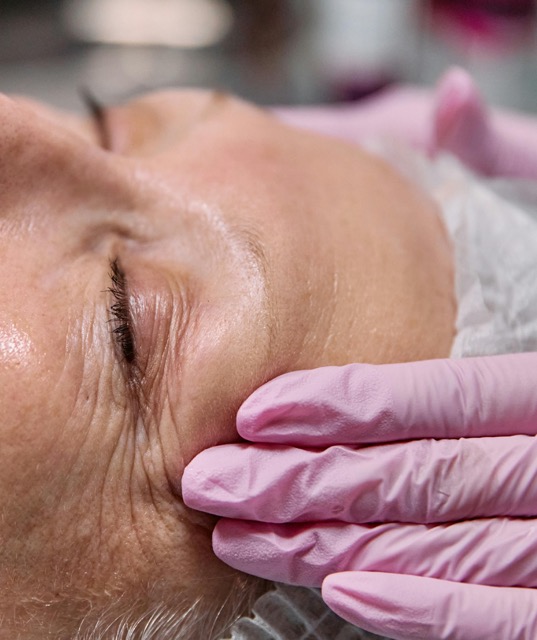
When fat is lost rapidly from these compartments, the overlying skin may not have enough elasticity to retract smoothly, especially in patients over 35 or 40. The result can be hollowing, shadowing, jowls, and deeper lines.
Importantly, facial fat distribution is different from body fat. The face has both superficial and deep fat compartments, and they do not all behave the same way during weight loss. Some patients lose more facial volume than expected based on their overall body weight change, while others lose very little.
Genetics, age, starting facial volume, skin quality, baseline collagen, sun damage, smoking history, and rate of weight loss all influence the outcome.
Why Rapid Weight Loss Is the Key Variable
The skin has some capacity to adapt to volume changes, but it needs time.
Collagen remodeling, elastin organization, and skin retraction are slow processes. When weight loss happens gradually over 12 to 18 months or more, the skin may have more opportunity to adapt. When it happens over 3 to 6 months, which can occur with GLP-1 medications, the skin may not keep up as well.
This is why “Ozempic face” tends to be more pronounced in patients over 40, when baseline collagen and elasticity are already reduced. A 32-year-old who loses 40 pounds on semaglutide may have minimal facial changes. A 52-year-old losing the same amount may notice more significant hollowing, skin laxity, and changes along the jawline.
This does not mean GLP-1 medications are bad. For many patients, they can be life-changing and medically appropriate. It simply means that significant weight loss can affect the face, and planning ahead can help.
Which Treatments Actually Work?
The good news is that facial changes from weight loss are often treatable or manageable.
As a dermatologist and Mohs surgeon who also practices cosmetic dermatology, I approach these patients by first identifying which structural changes are present. Is the main issue volume loss? Skin laxity? Texture? Jowling? Under-eye hollowing? Each problem requires a different treatment strategy.
Dermal Fillers
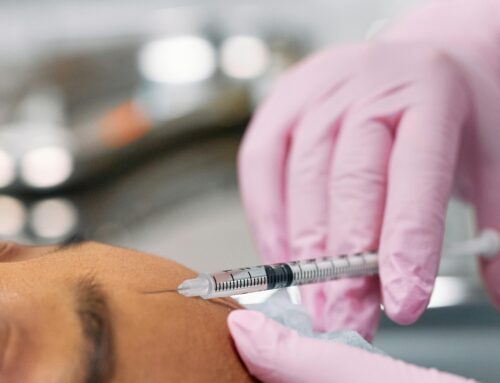
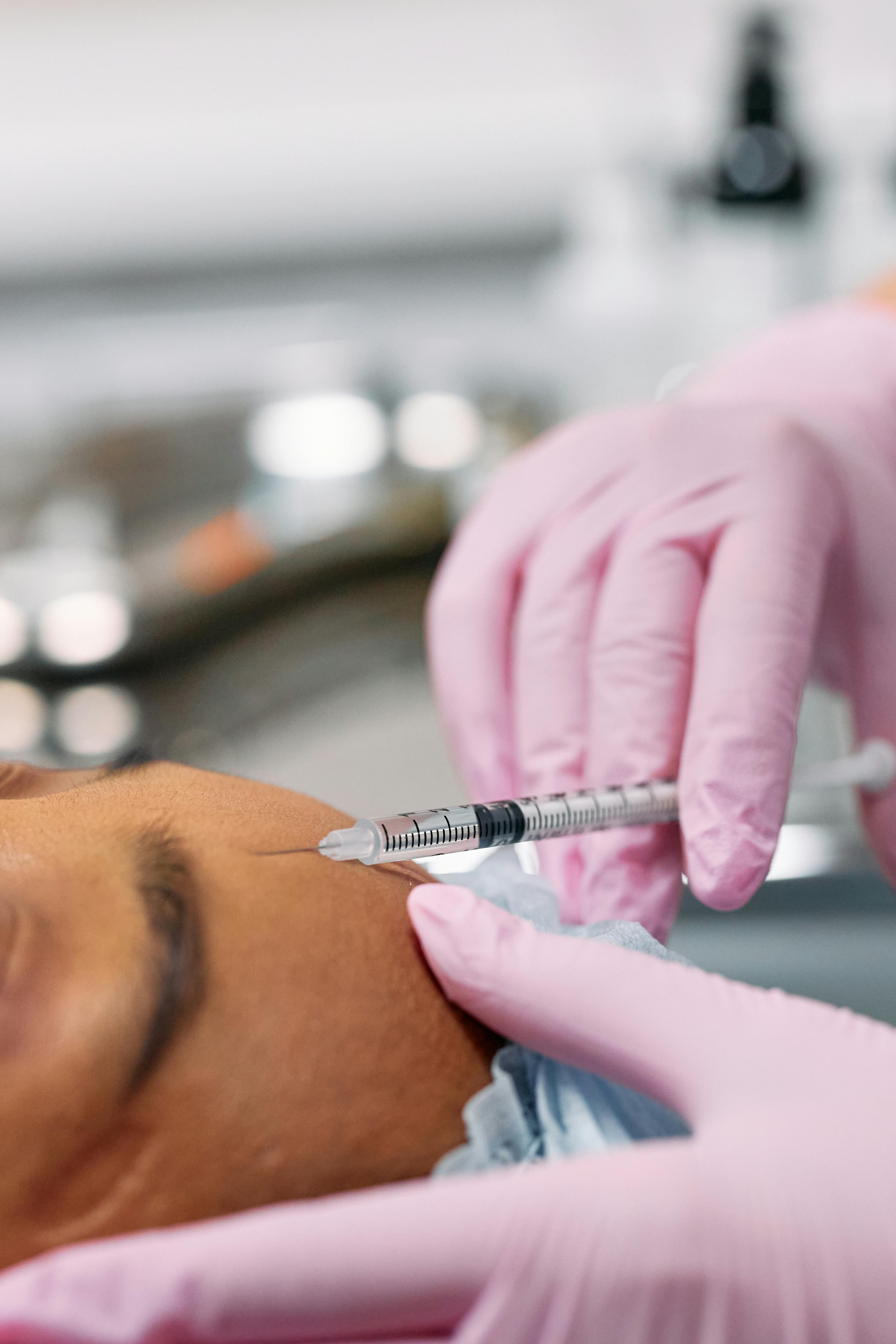
Hyaluronic acid fillers, including products in the Juvederm and Restylane families, remain one of the most direct treatments for facial volume loss.
They can help restore deflated fat compartments, soften hollows, and improve facial balance. Some newer HA products can also improve skin hydration and quality when used appropriately.
The key word, especially in 2026, is restraint.
The era of overfilling has passed. Today’s aesthetic philosophy, driven largely by patients themselves, emphasizes subtle, natural-looking restoration rather than overcorrection.
For GLP-1-related facial volume loss, filler should not be used to “inflate” the face. It should be used strategically to restore structure, support, and light reflection.
In my practice, I use handheld ultrasound to help guide filler assessment and placement when appropriate. Ultrasound can help visualize anatomy, existing filler, and vascular structures, which is especially helpful in patients who have had prior filler or significant facial structural change.
Biostimulators
Collagen-stimulating injectables, particularly Sculptra, which is poly-L-lactic acid, and Radiesse, which is calcium hydroxylapatite, offer a different approach.
Rather than simply adding immediate volume, biostimulators encourage the skin to build collagen over time. Results develop gradually over several months and can look very natural when performed properly.
For patients who are still losing weight, or who want to avoid the look of traditional filler, biostimulators can be an excellent option. They are also helpful for patients with diffuse skin laxity or crepey texture rather than one specific area of hollowing.
Biostimulators require patience. They are not instant fixes, and they often require a series of treatments.
Energy-Based Devices for Skin Tightening
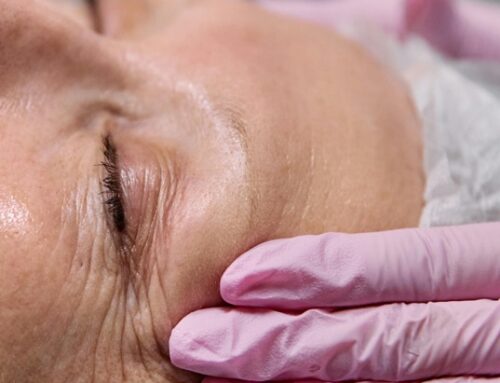
Skin laxity, or the loose, crepey quality of skin after significant weight loss, often responds best to treatments that stimulate collagen remodeling and tissue tightening.
Ultrasound-based devices such as Ultherapy, radiofrequency devices such as Thermage, microneedling radiofrequency devices such as Morpheus8, and other skin-tightening platforms can all play a role.
These treatments work gradually and are generally most effective for mild to moderate laxity. They can be useful for the lower face, neck, jawline, and areas where looseness is starting to appear.
However, it is important to be realistic. If someone has severe skin redundancy after major weight loss, non-surgical devices may improve the skin but may not fully lift or remove excess tissue. In those cases, surgical options may be more appropriate.
Energy-based treatments are usually most effective when the patient is at or near goal weight and has been weight-stable for several months.
Microneedling and PRP
Microneedling, with or without platelet-rich plasma, can improve skin quality, texture, fine lines, and overall luminosity.
It does not replace lost facial volume, and it does not create the same tightening effect as a dedicated energy-based device. But it can be very helpful as part of a comprehensive plan, especially when the skin looks dull, thin, or crepey after weight loss.
For many patients, the best approach is combination therapy: a little volume restoration, collagen stimulation, skin tightening, and skin quality support.
What I Tell My Patients on GLP-1 Medications
If you are starting or already taking a GLP-1 medication, here are my recommendations.
First, talk to your dermatologist early, ideally before you begin losing weight. This allows us to establish your baseline and create a proactive plan.
Second, do not panic at early facial changes. Some degree of adaptation can occur, and treatment options are available.
Third, prioritize skin quality habits. Use SPF every day, consider a retinoid at night if your skin can tolerate it, hydrate well, and use targeted antioxidants. The healthier your baseline collagen and skin barrier are, the better your skin may adapt to volume changes.
Fourth, make sure you are supporting your body nutritionally. Adequate protein intake, resistance training, hydration, and medical monitoring matter during weight loss. This should be discussed with your prescribing clinician, primary care physician, or nutrition professional.
Fifth, if you are planning cosmetic treatment, it is often best to wait until your weight has been stable for at least 3 to 6 months. This allows us to treat a more stable endpoint instead of chasing a moving target.
Finally, do not stop or change your GLP-1 medication without speaking to the clinician who prescribed it. These medications can have important metabolic benefits, and cosmetic concerns should be managed thoughtfully rather than abruptly.
Can You Prevent Ozempic Face?
You may not be able to prevent all facial changes with significant weight loss, but you can reduce the risk.
Gradual weight loss is generally easier on the skin than rapid weight loss. Strength training can help preserve lean muscle mass. Adequate protein intake supports tissue repair. Daily sunscreen helps protect collagen. Retinoids, antioxidants, and barrier-supporting moisturizers can help maintain skin quality.
The earlier you start, the better.
For patients who know they are about to begin GLP-1 treatment, I often recommend a baseline cosmetic consultation. This does not mean you need treatment right away. It simply gives us a record of your facial structure before major weight loss, so we can plan more intelligently if changes occur.
The Bottom Line
“Ozempic face” is real, but the name is misleading.
The facial changes patients notice are usually related to significant or rapid weight loss, not a direct damaging effect of Ozempic or other GLP-1 medications on the skin. The most common changes include facial hollowing, cheek volume loss, under-eye shadowing, jowling, and skin laxity.
The good news is that these changes are often manageable. Dermal fillers can restore structure, biostimulators can improve collagen support, energy-based devices can help with mild to moderate laxity, and microneedling or PRP can improve skin quality.
The best plan is individualized, conservative, and timed appropriately. For most patients, that means protecting the skin early, waiting until weight is stable when possible, and choosing treatments that restore rather than overfill.
FAQ
Q: What is Ozempic face?
A: Ozempic face is a non-medical term for facial hollowing, volume loss, and skin laxity that can occur after significant or rapid weight loss, including weight loss associated with GLP-1 medications.
Q: Does Ozempic directly age your skin?
A: Current evidence suggests the facial changes are mainly related to weight loss and fat volume loss rather than a direct damaging effect of Ozempic on the skin.
Q: Can fillers fix Ozempic face?
A: Fillers can help restore facial volume and structure when used carefully. The goal should be subtle restoration, not overfilling.
Q: Are biostimulators good for GLP-1 facial changes?
A: Yes, biostimulators such as Sculptra and Radiesse can be helpful for patients with diffuse collagen loss, skin laxity, or gradual facial volume changes.
Q: When should I treat facial volume loss after weight loss?
A: It is usually best to wait until your weight has been stable for at least 3 to 6 months, unless there is a specific concern that should be addressed earlier.
Q: Can skincare prevent Ozempic face?
A: Skincare cannot fully prevent facial volume loss, but it can support skin quality. Daily sunscreen, retinoids, antioxidants, hydration, and barrier repair can help the skin look healthier during weight loss.
Q: Should I stop my GLP-1 medication if I notice facial changes?
A: No. Do not stop or change your medication without speaking to your prescribing clinician. Cosmetic changes can often be managed separately.
Updated June 2026