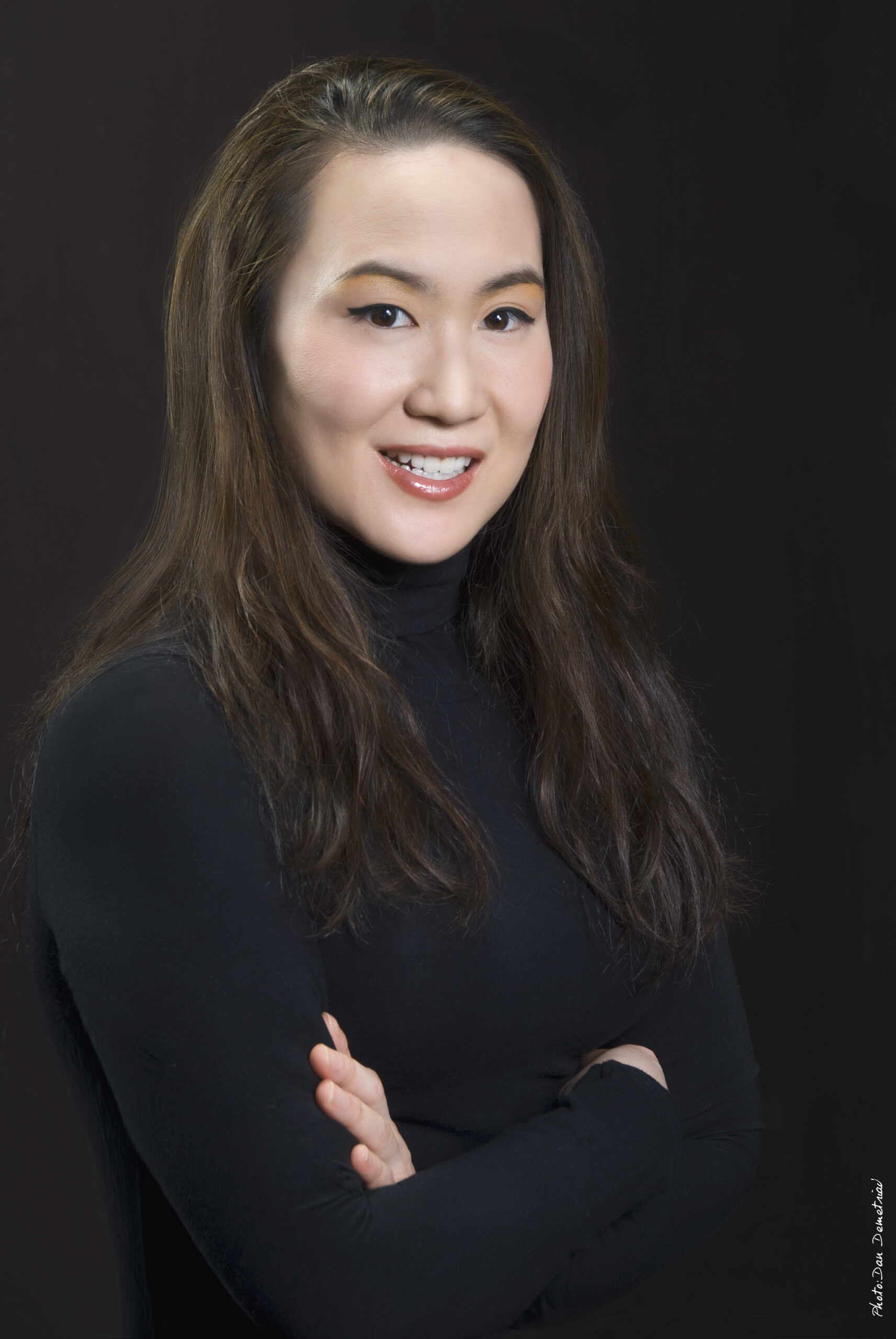
Dr. Yoo is deeply passionate about promoting sun safety and skin protection. With a commitment to raising awareness about the importance of sunscreen, she strives to empower individuals to make informed choices for their skin health. Her advocacy work reflects her belief that everyone deserves access to effective sun protection, and she is dedicated to fostering a culture of awareness and prevention in the community.
Advocating to Congress at Capitol Hill
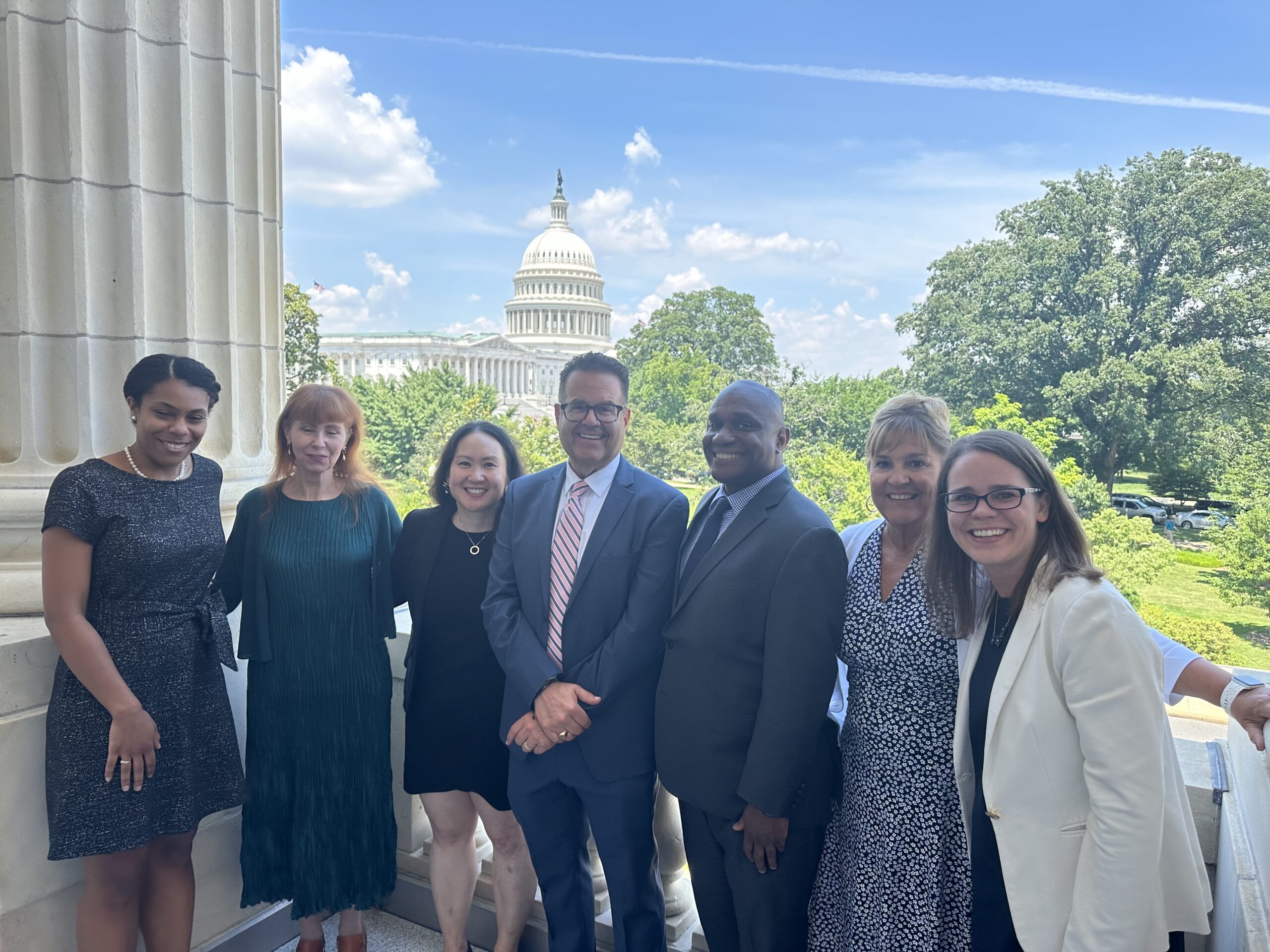
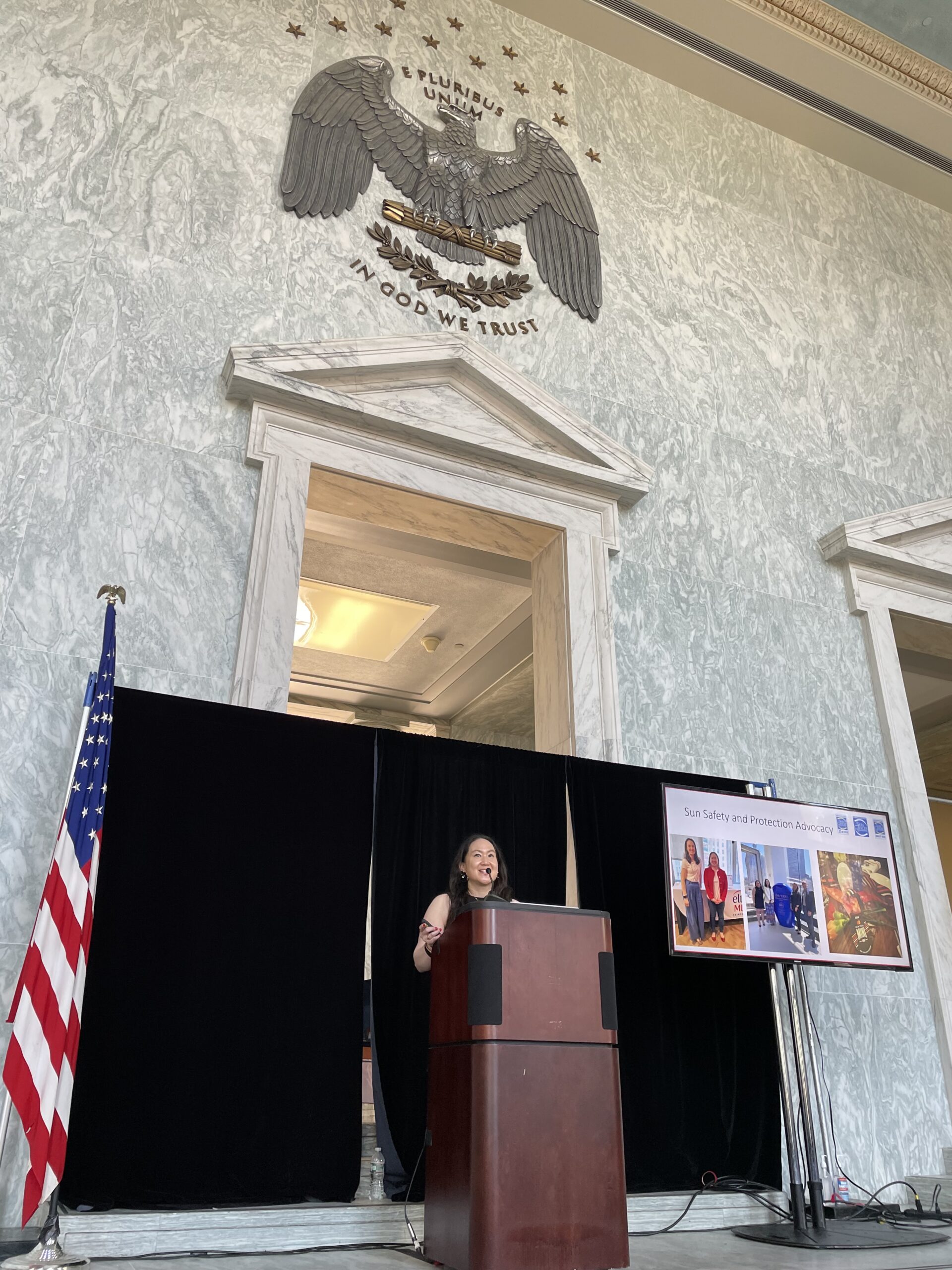
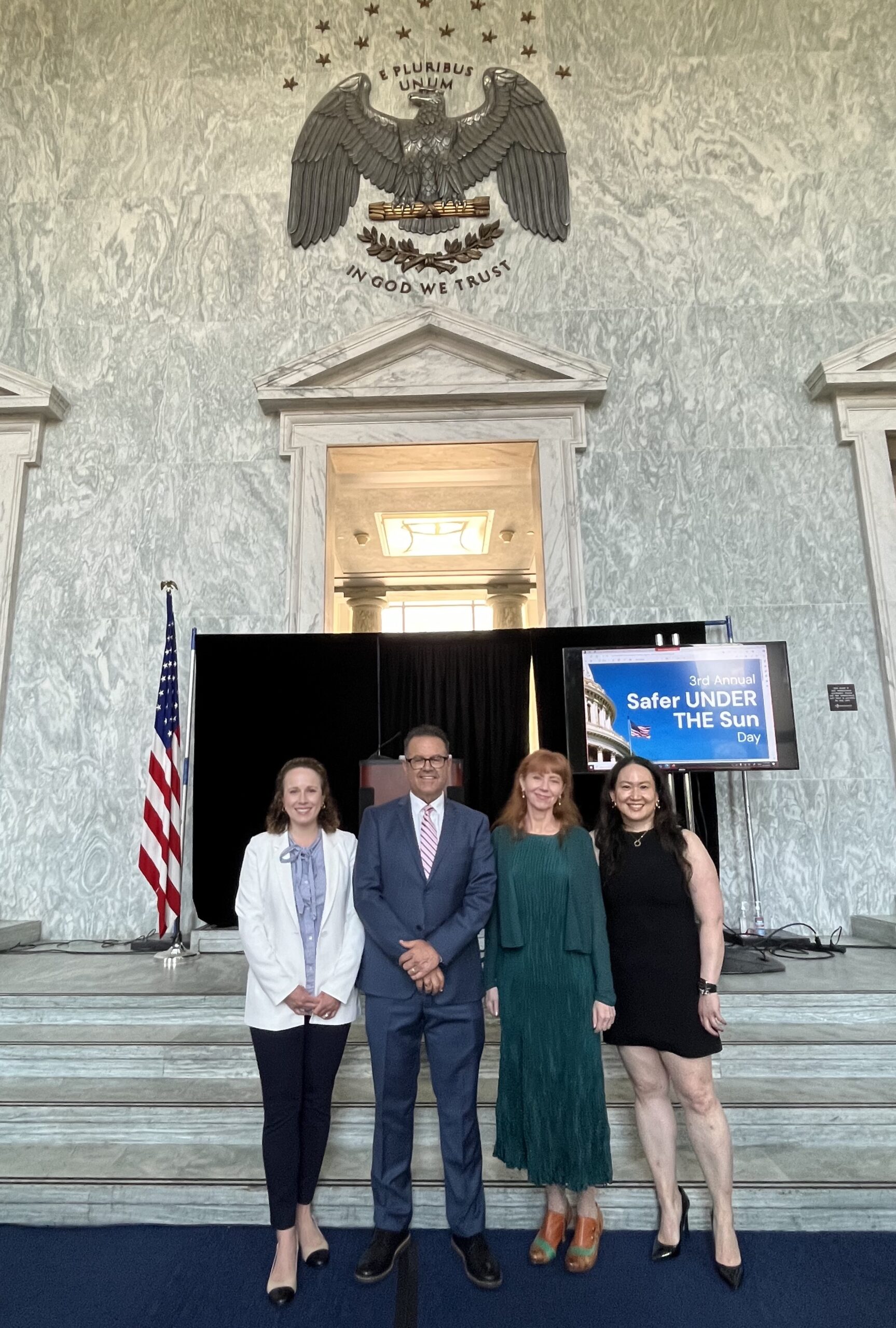
In June 2024, Dr. Jane Yoo spoke at Capitol Hill during the 3rd Annual Safer Under the Sun Day, hosted by DSM-Firmenich Beauty & Care. This event brought together medical professionals, policymakers, and industry leaders to address the urgent need for advanced sunscreen innovations in the fight against skin cancer. Dr. Yoo emphasized the importance of collaboration between the industry and government to streamline regulatory processes and make new over-the-counter (OTC) sunscreen drugs more accessible to Americans. With skin cancer cases rising and the U.S. lagging behind in adopting new sunscreen filters, her advocacy underscored the necessity of promoting innovative, broad-spectrum sun protection options for all Americans.
Photobiology Committee
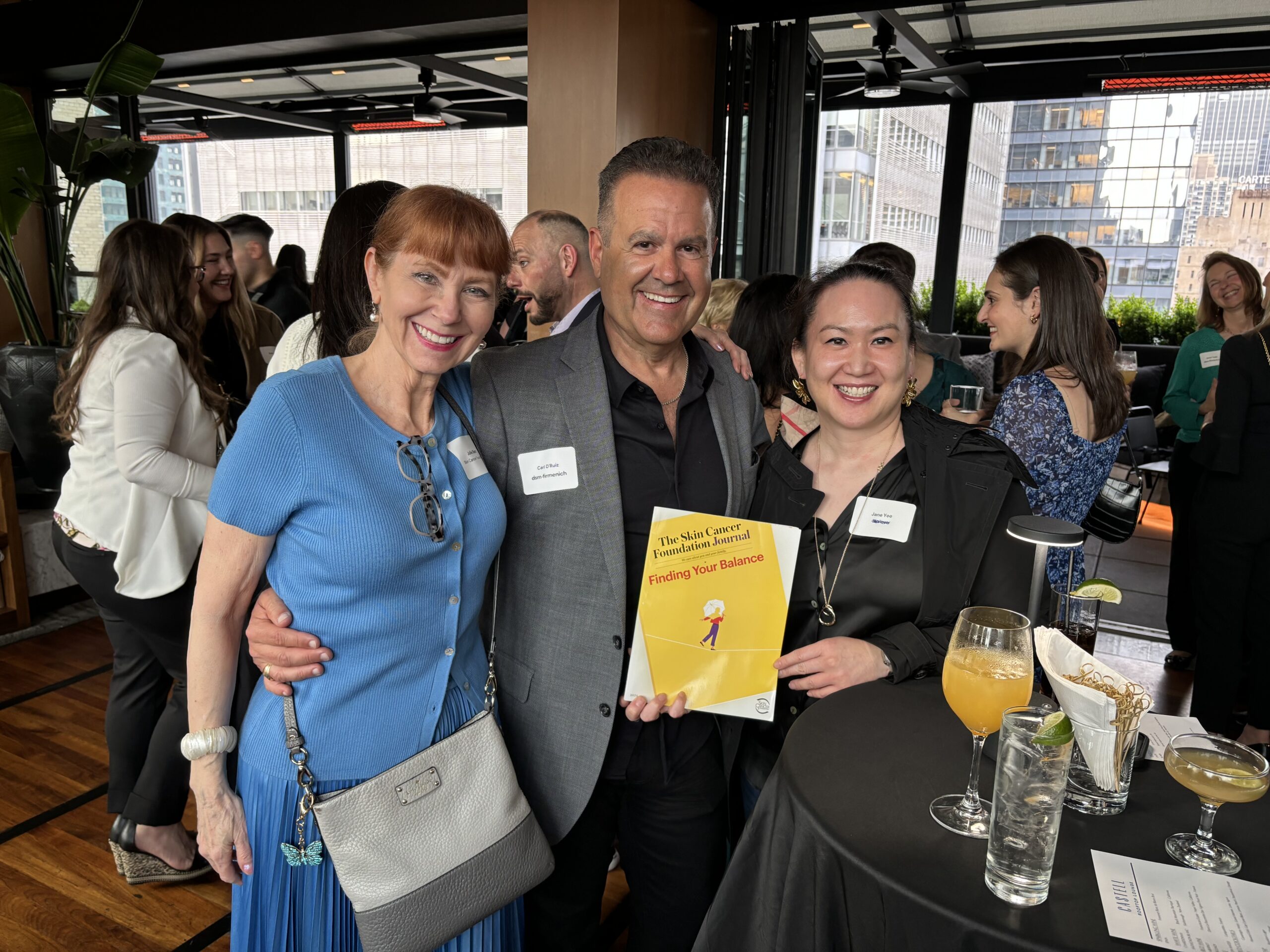
As a member of the Skin Cancer Foundation’s Photobiology Committee, Dr. Jane Yoo plays a pivotal role in granting the Foundation’s Seal of Recommendation to sunscreens and UV-protective products. This trusted seal, recognized globally, signifies that products meet rigorous standards for effective sun protection. Dr. Yoo and fellow experts carefully review scientific data submitted by manufacturers, ensuring that only products with proven safety and efficacy receive this prestigious designation. Her work supports the Foundation’s mission to provide consumers with reliable options for protecting their skin from harmful ultraviolet radiation.
Lobbying for the SAFE Sunscreen Standards Act with PCPC
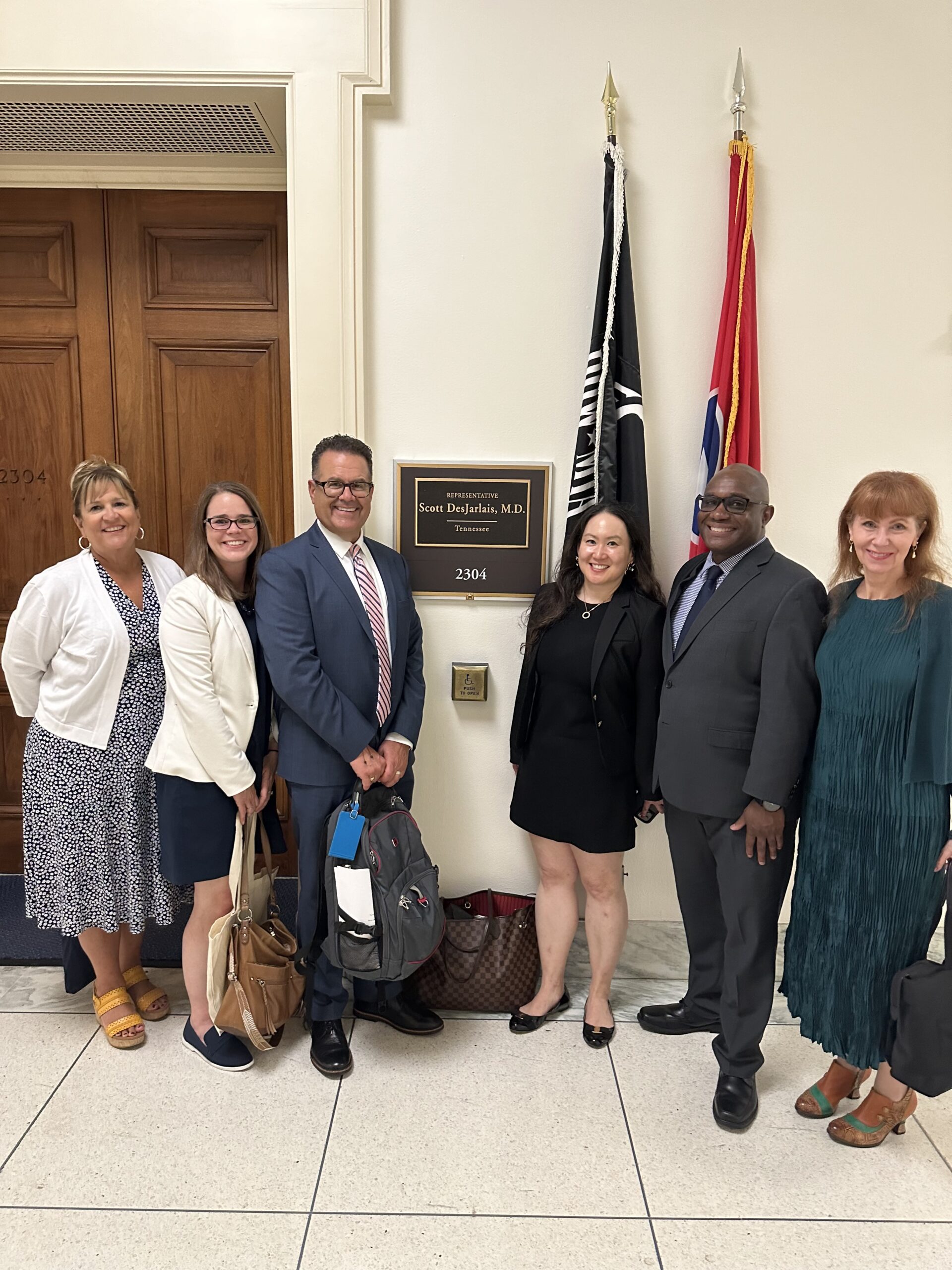
In May 2026, Dr. Yoo returned to Capitol Hill, this time invited by the Personal Care Products Council (PCPC) to lobby Congress in support of ensuring the FDA fully implements the provisions of the SAFE Sunscreen Standards Act, included in the reauthorization of the Over-the-Counter Monograph Drug User Fee Amendments (OMUFA).
Skin cancer is the most common cancer in the United States, more people are diagnosed with it each year than all other cancers combined, with nearly five million Americans treated annually at a cost exceeding $8.1 billion. And yet, the FDA has not approved a new UV filter since 1999. While patients in Korea, Japan, and Europe have had access to safer, more photostable UV filters for decades, American consumers have been left behind.
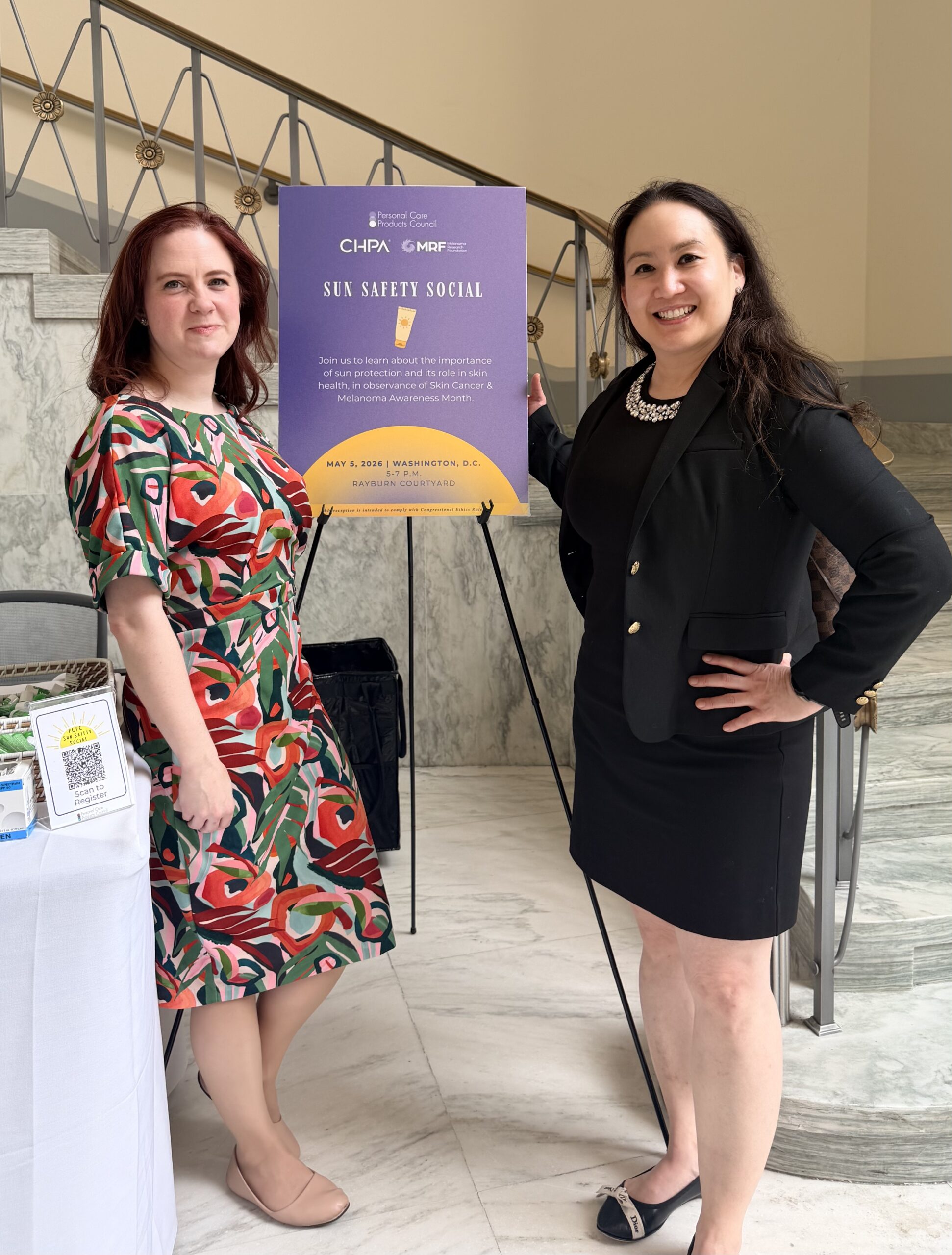
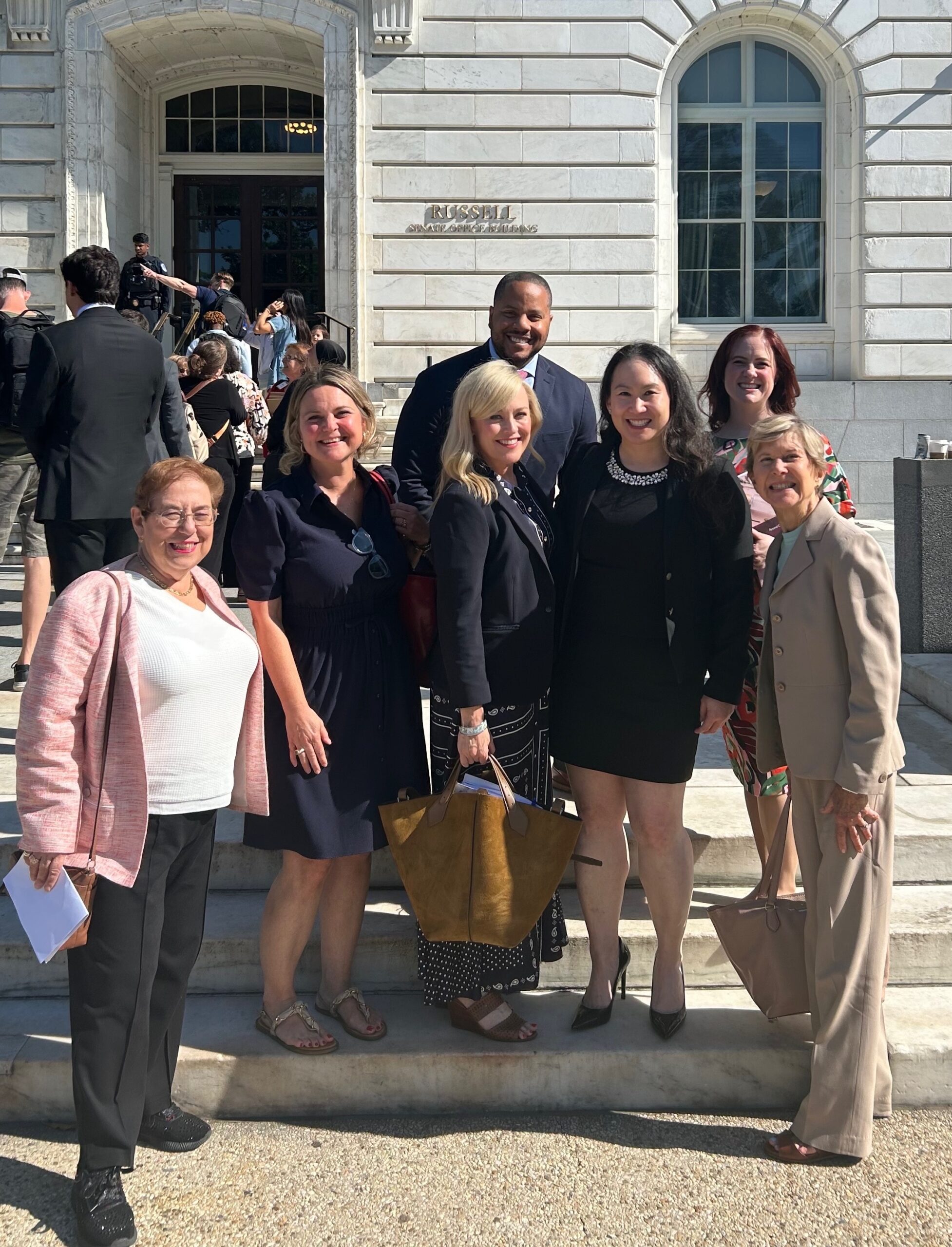
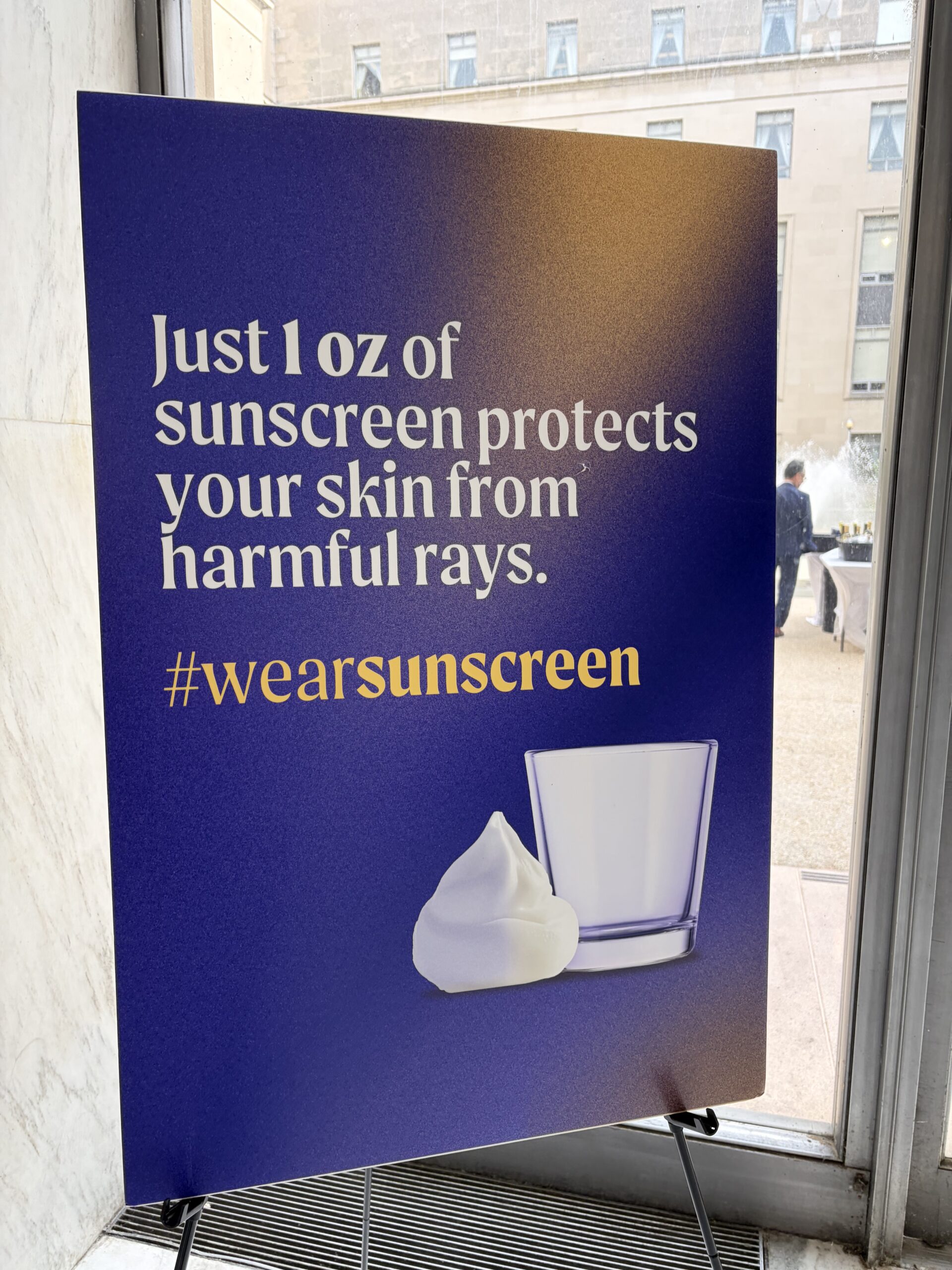
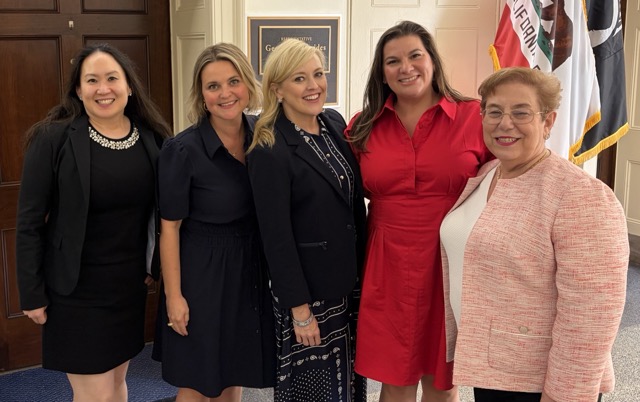
Last year, Congress took a meaningful step forward: OMUFA reauthorization included language allowing the FDA to use a wider variety of evidence when evaluating new UV filters. The House Appropriations Committee’s FY2027 FDA budget now includes report language directing the FDA to expeditiously finalize its proposed order. Dr. Yoo was on the Hill to make sure that language stays in the bill.
Across eight meetings in four congressional office buildings, Dr. Yoo met with staff from the offices of Senators Schiff, Murray, Kim, and Moody, and Representatives Kamlager, Scholten, Levin, and Kean.
Explore Dr. Yoo’s Sunscreen Guides
Sun protection is not one-size-fits-all. Explore Dr. Yoo’s dermatologist-curated sunscreen guides to find formulas suited to your skin type, lifestyle, concerns, and preferences.
Shop Sunscreens by Region
Discover innovative sunscreen formulas and UV filters available around the world.
- Best Korean Sunscreens
- Best French Sunscreens
- Best Japanese Sunscreens
- Best Australian Sunscreens
- Best Spanish Sunscreens
- Best German Sunscreens
Find Sunscreen for Your Skin
Explore recommendations selected for specific skin types and concerns.
- Best Sunscreens for Melasma
- Best Sunscreens for Skin of Color
- Best Tinted Sunscreens
- Best Sunscreens for Skin Cancer Patients
Sunscreen for Every Lifestyle
Find practical sun protection for daily life, outdoor activity, and the whole family.
Frequently Asked Questions About Sunscreen
Why does the US have fewer sunscreen filters than other countries?
The US FDA regulates sunscreen ingredients as over-the-counter drugs, requiring them to meet the same safety and efficacy standards as pharmaceuticals. Sunscreen filters widely used in Europe, Asia, and Australia for decades — including bemotrizinol (Tinosorb S) and others — were not approved in the US because the FDA required additional safety data (GRASE determinations) that manufacturers had not yet submitted. The SAFE Sunscreen Standards Act, which Dr. Yoo has actively lobbied Congress to support, was designed to modernize this regulatory pathway.
What is bemotrizinol and why is it significant?
Bemotrizinol (BEMT), also known by the trade names Tinosorb S and PARSOL Shield, is a broad-spectrum UV filter that absorbs both UVB and long-wave UVA radiation. It is photostable, highly effective, and has been used safely in sunscreens in Europe, Asia, and Australia for over 20 years. On June 9, 2026, the FDA approved bemotrizinol as the first new sunscreen active ingredient in the United States in 25 years — a milestone Dr. Yoo played a direct role in achieving through her Congressional advocacy.
What is the SAFE Sunscreen Standards Act?
The SAFE Sunscreen Standards Act is federal legislation designed to modernize the FDA’s process for evaluating new sunscreen active ingredients, allowing proven, widely-used international UV filters to gain US approval more efficiently. Dr. Yoo has testified and lobbied at Capitol Hill in support of this legislation, working alongside the Personal Care Products Council (PCPC) and other dermatologists to advocate for better sun protection options for American consumers.
What SPF should I use daily?
The American Academy of Dermatology recommends a broad-spectrum sunscreen with SPF 30 or higher for daily use. SPF 30 blocks approximately 97% of UVB rays; SPF 50 blocks about 98%. Higher SPF provides marginally more protection but is especially important for outdoor activities, high-altitude environments, and patients with skin cancer history or photosensitive conditions. Daily use — applied as the last step in your morning routine — is more important than SPF number alone.
Are Korean sunscreens better than American sunscreens?
Korean and other international sunscreens have historically had access to a broader range of UV filters, including next-generation photostable filters like bemotrizinol and Mexoryl 400 that were not yet FDA-approved. This gave them a formulation advantage — allowing lighter, more elegant textures with excellent UV protection. With the 2026 FDA approval of bemotrizinol, this gap is beginning to close. Dr. Yoo has a dedicated sunscreen resource section at janeyoomd.com covering both domestic and international sunscreen options.