Sunscreen is an essential part of skin care, protecting us from the damaging effects of UV rays. However, the U.S. has not introduced a new active sunscreen ingredient in over 20 years. dsm-firmenich is now aiming to change that with PARSOL Shield (Bemotrizinol), a powerful UV filter that has been used internationally for decades. If approved by the FDA, it could revolutionize sun protection in the U.S.
What is PARSOL Shield?
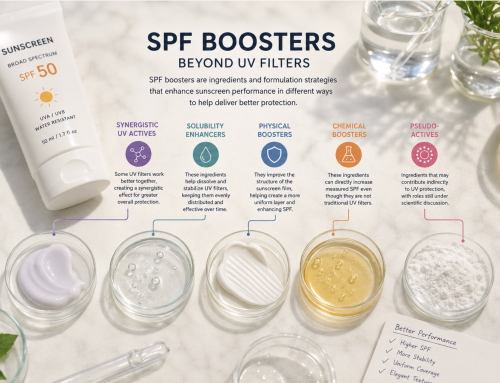
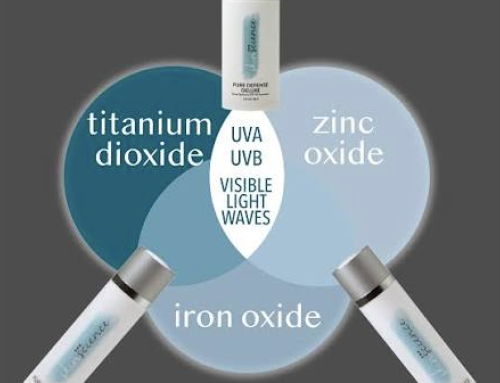
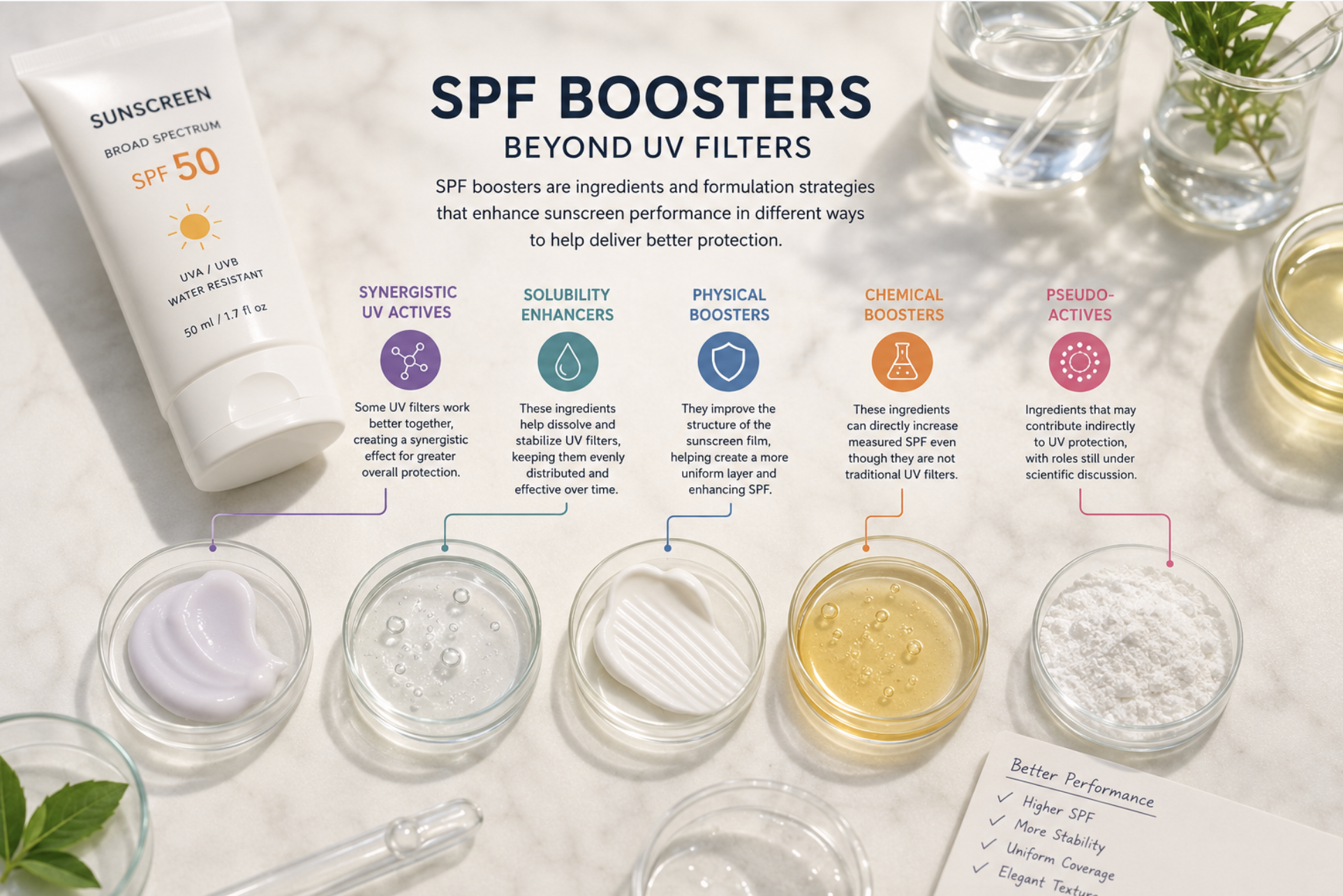
PARSOL Shield provides broad-spectrum protection against both UVA and UVB rays, which can cause sunburn, skin aging, and increase the risk of skin cancer. One of its standout qualities is its photostability, meaning it remains effective even after extended exposure to sunlight, unlike some existing sunscreen ingredients that can degrade. PARSOL Shield also works well with other filters like Avobenzone, boosting its stability and ensuring longer-lasting protection.
The Impact of PARSOL Shield
PARSOL Shield offers more than just basic UV protection. With rising awareness of the importance of daily sunscreen use, having a photostable, broad-spectrum filter like PARSOL Shield could significantly improve the effectiveness of sunscreens. This filter helps stabilize other ingredients, like Avobenzone, while also ensuring safety due to its high molecular weight, which limits skin absorption.
PARSOL Shield is approved in 58 countries, including regions with strict regulatory standards like the European Union, Australia, and Japan. If approved by the FDA, it would bring the U.S. in line with these global standards. Dermatologists are excited about the possibility of recommending a U.S.-approved product that meets international benchmarks. For consumers, it promises better sun protection that lasts longer and feels more comfortable on the skin.
What’s Next for U.S. Sunscreens?
The U.S. Food and Drug Administration (FDA) is currently reviewing PARSOL Shield, and if approved, it would be the first new sunscreen ingredient added to the U.S. Over-the-Counter (OTC) monograph since 1999. The OTC monograph is the regulatory framework that governs the safety, effectiveness, and labeling of non-prescription drugs like sunscreens.
The sun care industry is eagerly awaiting the FDA’s decision on PARSOL Shield, which is expected by early 2026 after a 17.5-month review. If approved, it could transform the U.S. sunscreen market, offering better protection and helping the U.S. catch up with global advancements. With its proven safety and effectiveness abroad, PARSOL Shield has the potential to raise sun protection standards and reduce skin cancer risks.
Sources:
- “dsm-firmenich’s PARSOL Shield Marks Major Milestone with FDA Submission for OTC Sunscreen Monograph.” Cosmetics Design USA
- “DSM-Firmenich Submits First OMOR to US FDA for Patented Sunscreen.” Global Cosmetics News
- “FDA Now Weighing Approval of First New Sunscreen Ingredient in Decades.” CBS News