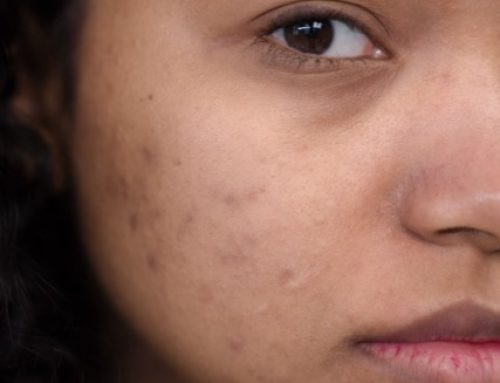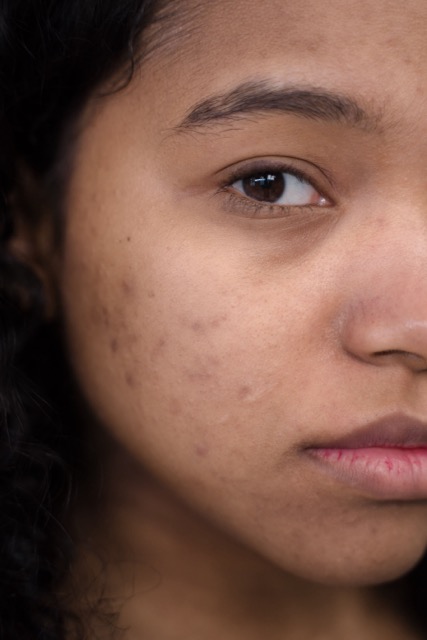
Melasma is a chronic, recurrent skin condition characterized by patches and spots that are darker than your natural skin tone. The most common place for melasma to appear is on the face–on the forehead, cheeks, nose, upper lip, and chin. However, it can still develop in other areas, including the neck or arms.
The epidermis contains pigment-producing cells called melanocytes. Melanocytes produce melanin, and when hyperactive, cause the hyperpigmentation seen in melasma. People with medium to dark skin tones have more melanocytes than people with lighter complexions. Therefore, they are more likely to develop melasma. Most people with melasma see various shades of brown on their skin. In people with darker skin tones, melasma can appear a bluish-gray color.
While the condition isn’t limited to them, melasma is most common in women. Women often first notice darkened freckle-like spots and blotchy patches when they start taking birth control pills or when they become pregnant, giving melasma the title “mask of pregnancy”. The increase in estrogen and progesterone hormones is thought to trigger melasma. The hyperpigmented condition may clear after the woman stops their birth control pills or gives birth. Although less common, men and individuals with lighter skin tones can develop melasma.
Melasma is exacerbated by sun exposure. The sun’s ultraviolet rays, heat, and visible light can make the patches appear darker by eliciting greater production of melanin. That is why people with melasma claim that their condition worsens in the summer months when they are in the sun for a longer time. Sun protection is extremely important in individuals with melasma to limit the level of pigmentation in their skin. Protection involves wearing a wide-brimmed hat, seeking shade, and applying a broad-spectrum mineral sunscreen (containing zinc oxide or titanium dioxide) that is SPF 30 or higher. Tinted sunscreen is a great option for individuals with melasma.
SPF number won’t tell you this part: zinc oxide and titanium dioxide don’t protect against visible-light-induced pigment darkening on their own, that’s what tinted, iron-oxide-containing formulas are for. Learn more about how iron oxides work.
Dermatologists can prescribe topicals to decrease some of the pigmentation in the skin. Hydroquinone contains a bleaching agent that can be carefully applied to pigmented areas to block melanin production. Tretinoin can help even out skin tone.
Melasma is not contagious or harmful to the body, but the appearance can bother some people. There are cosmetic treatments that can be discussed with your dermatologist to fade the hyperpigmentation, including chemical peels and laser treatments. However, melasma can still reoccur.